
Last updated October 16, 2026
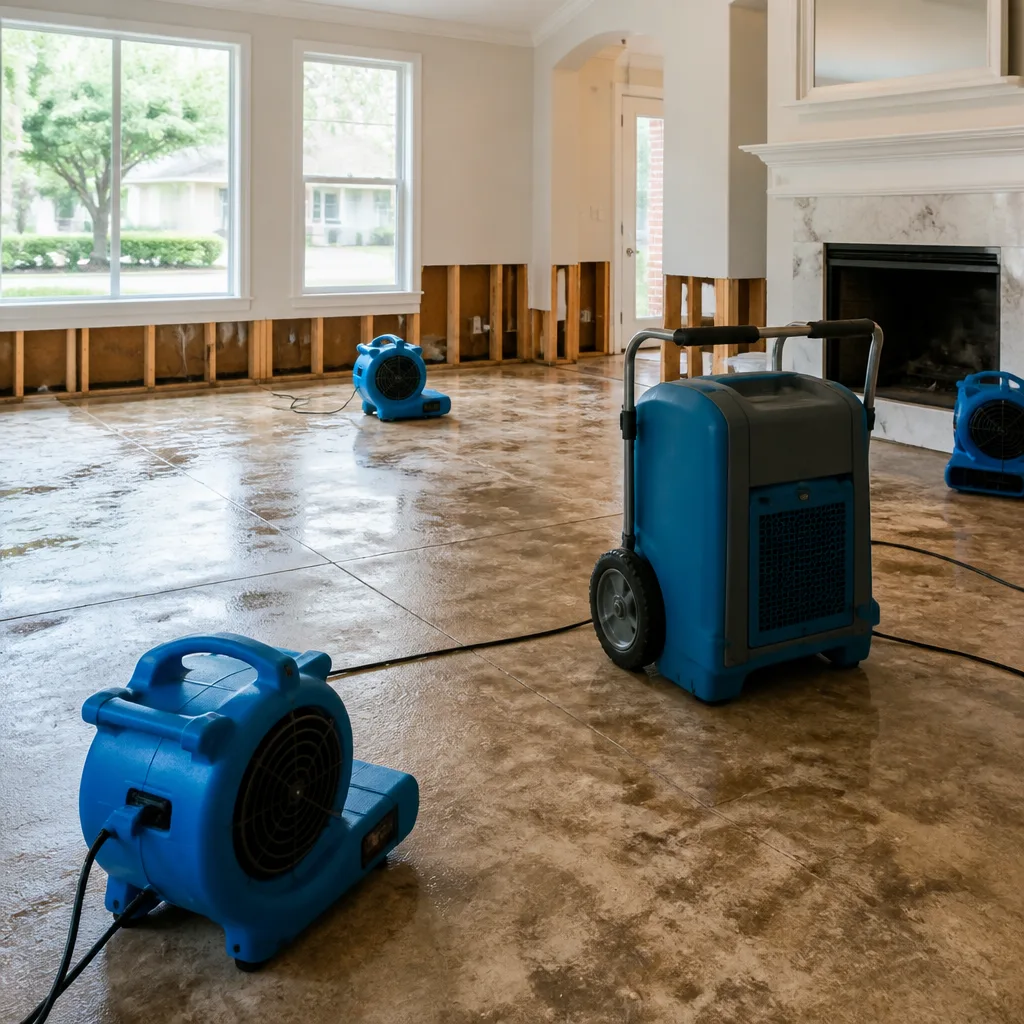 Water damage drying
 Fire & smoke cleanup
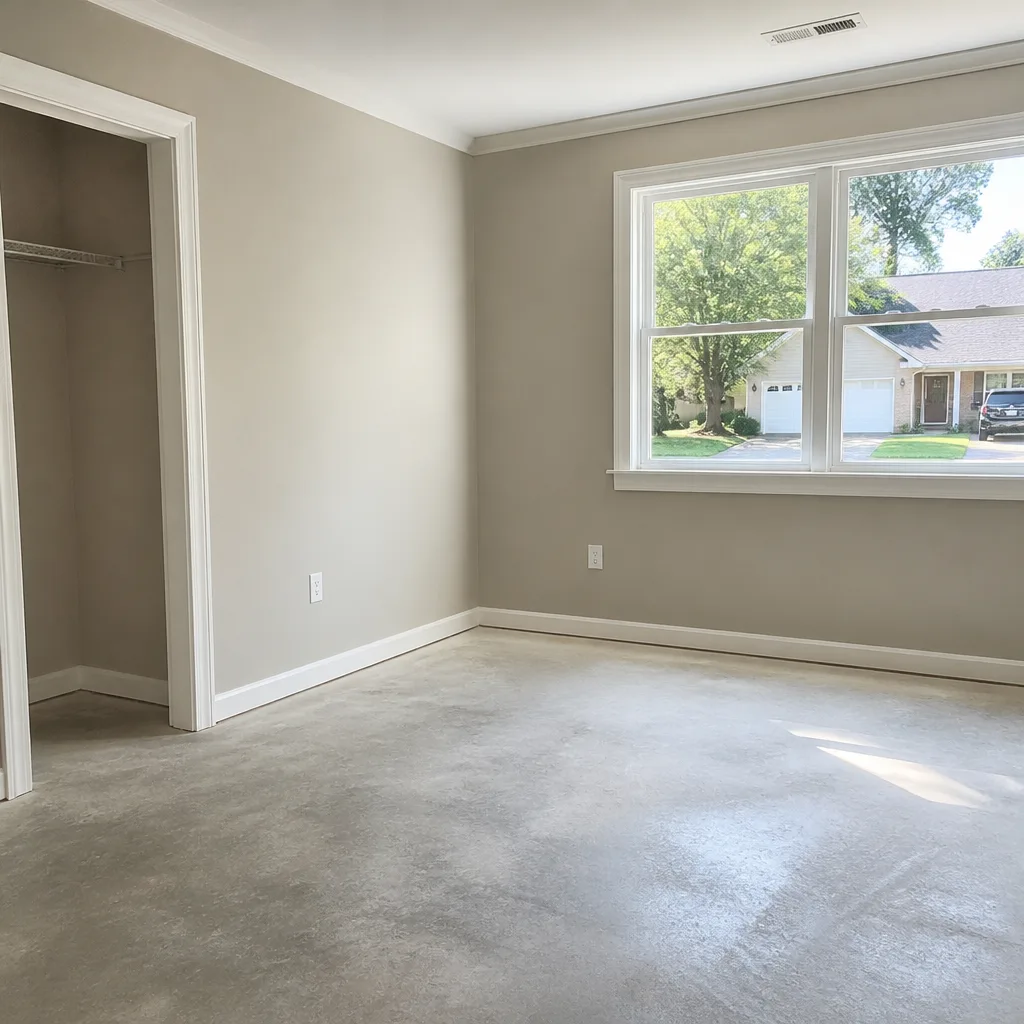 Mold remediation
 Storm response
 Sewage cleanup
 Reconstruction
Free visual inspection and a written scope of work before any mitigation begins - photos, moisture readings, and drying logs go in your claim file
The scope we write is the scope we bill. Anything new gets shown to you, in writing, before we touch it.
Get your free estimateThe Complete Guide to Damage Restoration in Los Angeles
Most Los Angeles homeowners lose an extra $4,200 in secondary damage not because the first problem was severe, but because they didn’t know what to do in the first 24 hours. Water keeps moving. Mold keeps growing. Smoke keeps settling into paint and fabric. The decisions you make before a restoration crew ever arrives determine whether you’re looking at a $3,000 dry-out or a $40,000 rebuild. This guide maps the entire sequence from the moment something goes wrong to the day your home is fully restored, with Los Angeles-specific detail you won’t find in a generic national checklist or even in a Damage Restoration Warning Signs: A Los Angeles Homeowner’s Reference Guide. You’ll learn what actually happens during water, fire, and mold restoration, what it costs in the LA market, what a legitimate written scope of work looks like, and the three decisions that matter most in the first 48 hours.
Restoration work we handle
Quick Answer
Damage restoration in Los Angeles is the process of returning a home to its pre-loss condition after water intrusion, fire, or mold contamination. For water damage, extraction and drying typically begin within hours and finish in 3 to 5 days; fire restoration often runs 3 to 6 weeks due to odor sealing and structural repairs; mold remediation usually takes 5 to 10 days including containment and clearance testing. The single most important factor in controlling cost is starting the right kind of mitigation within the first 24 to 48 hours.
Table of Contents
- The Sequence: Why Early Decisions Control the Final Bill
- Water Damage in Los Angeles: How It Spreads and What Restoration Actually Involves
- Fire Damage Restoration: The Timeline Nobody Tells You About
- Mold Remediation in Los Angeles: When It’s Real and When It’s Not
- What a Legitimate Written Scope of Work Should Contain
- LA’s Dry-Wet Climate Cycle and Why It Changes Damage Patterns
- The Three Decisions That Matter Most in the First 48 Hours
- Common Mistakes to Avoid
- When to Call a Professional
- Frequently Asked Questions
The Sequence: Why Early Decisions Control the Final Bill
Every damage event in a Los Angeles home follows a predictable sequence, whether the cause is a burst supply line in a Hancock Park bungalow, a kitchen fire in a Sherman Oaks condo, or hidden mold behind a bathroom wall in Silver Lake. Understanding this sequence before disaster strikes is the difference between a controlled restoration and a runaway claim.
Here is the sequence as we’ve seen it play out across Los Angeles since 2005:
- Incident occurs – water releases, fire ignites, or a musty smell signals hidden mold. Damage is limited to immediate area.
- Migration begins – water wicks up drywall, travels along slab edges, and seeps under flooring. Smoke aerosols settle into every porous surface within 24 hours. Mold spores that were dormant germinate within 48 to 72 hours of moisture exposure.
- Secondary damage compounds – wet wood swells and warps. Gypsum drywall loses structural integrity. Smoke odor bonds permanently to painted surfaces. Mold colonies release spores into HVAC systems and adjacent rooms.
- Intervention window opens – the first 24 to 48 hours is when extraction, drying, or odor control can still stop the cascade. Every hour after that multiplies the area affected and the cost to restore it.
- Restoration work begins – this is the actual rebuild: replacing drywall, refinishing floors, repainting, recarpeting, sealing and deodorizing after fire.
- Verification and guarantee – moisture readings confirm the structure is dry, clearance samples confirm mold levels are background-normal, and the work is warranted in writing.
The Los Angeles homeowner who gets a good outcome is not the one who finds the cheapest contractor. It’s the one who understands that restoration is a sequence, not a single event, and who insists on written documentation at each step. That’s why Dryden Restoration Los Angeles home puts every scope, every moisture reading, and every guarantee in writing before work begins – because the sequence rewards documentation.
Water Damage in Los Angeles: How It Spreads and What Restoration Actually Involves
Water damage restoration in Los Angeles typically costs between $2,800 and $7,500 for a contained room-level event (a burst washing machine hose or water heater failure), while whole-home flooding from a slab leak or sewer backup can run $15,000 to $40,000. These are LA market numbers: our construction costs run higher than national averages, our homes are older on average, and many properties sit on slab foundations that channel water in specific, predictable ways. For a deeper look at pricing, see our Damage Restoration Cost Breakdown: The Los Angeles Homeowner’s Reference for 2026.
How Water Moves Through an LA Home
In a Los Angeles house, water does not simply pool where it falls. It follows gravity, but it also follows materials. Water wicks upward through drywall at roughly one inch per hour for the first 24 hours. It travels horizontally along the seams of slab foundations. It seeps beneath vinyl plank and laminate flooring, where it can go unnoticed for weeks. In pre-1980 homes, which represent a significant portion of LA’s housing stock, cast iron and galvanized plumbing fails from the inside out, often producing slow, hidden leaks behind walls rather than dramatic gushes.
What restoration actually involves, in order:
- Emergency extraction – standing water is removed with truck-mounted or portable extraction units. This typically happens within hours of the call, not days.
- Water mapping and classification – technicians use moisture meters and thermal imaging to determine exactly how far water has traveled and what got wet. You should receive a written map of affected areas.
- Psychrometric drying – this is the trade term for controlling the physics of evaporation: air movement, temperature, and RH (relative humidity) are manipulated to pull water out of materials and into the air, where dehumidifiers capture it. Dri-Eaz and Phoenix are the two most common professional-grade dehumidifier brands used in LA restoration work.
- Material removal – wet drywall, saturated carpet pad, and damaged baseboard are cut out and discarded. Some materials, like solid hardwood flooring, can sometimes be saved with specialized drying systems such as Injectidry, which pull moisture from beneath the floor rather than tearing it out.
- Structural drying – once the bulk water is gone, air movers and dehumidifiers remain in place for 2 to 5 days until moisture content in structural wood returns to normal levels. This phase is measured with meters, not eyeballed.
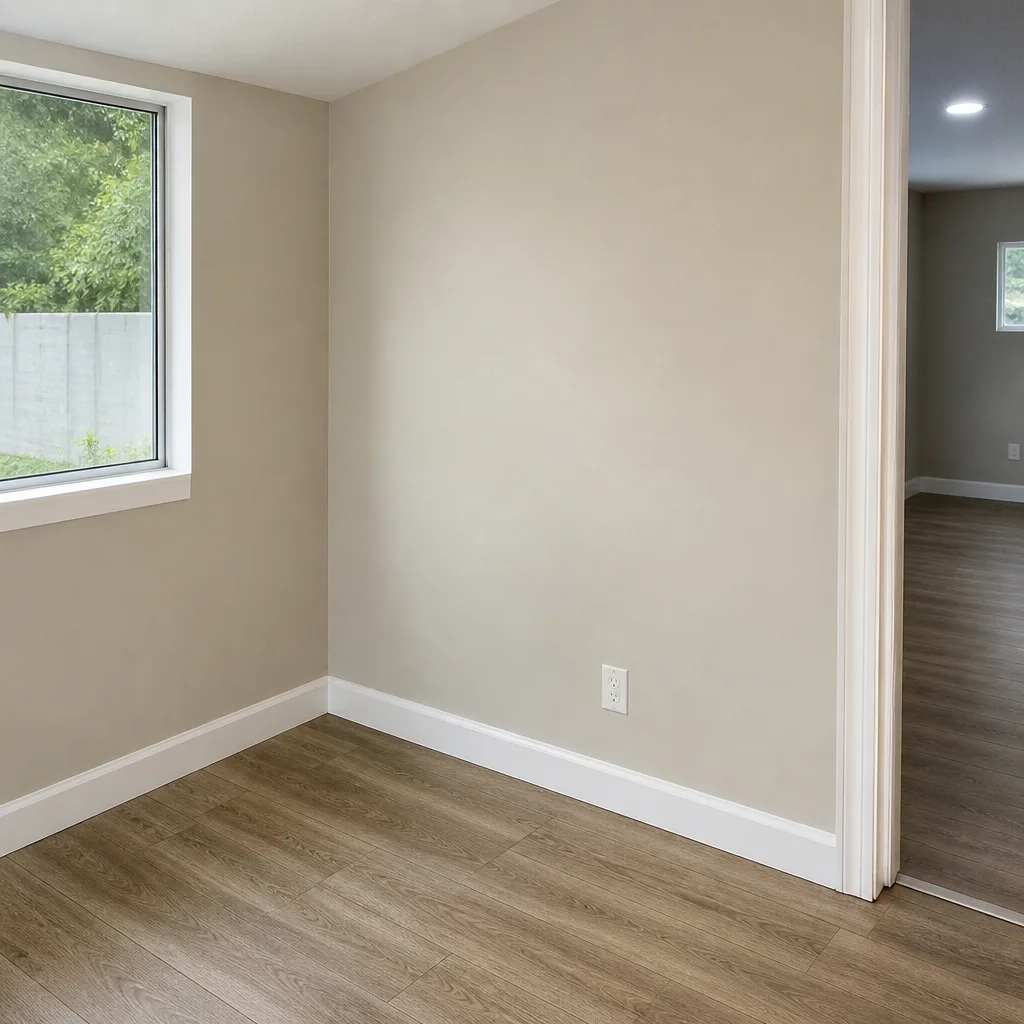
- Rebuild – drywall, insulation, flooring, and paint are restored to pre-loss condition. This is where the written guarantee matters most.
For a deeper look at water-specific pricing and timelines, see our full guide on Water Damage Restoration in Los Angeles.
Fire Damage Restoration: The Timeline Nobody Tells You About
Fire damage restoration in Los Angeles is a marathon, not a sprint, and homeowners who expect a two-week turnaround are the ones who end up disappointed or overcharged. A realistic timeline for a moderate kitchen fire runs 4 to 8 weeks from incident to move-back-in. Here is how that breaks down, and why each phase takes the time it does.
The Phases of Fire Restoration
- Board-up and securing (2 to 24 hours) – if the fire department opened your roof or broke windows, temporary board-up prevents weather damage and vandalism. In Los Angeles, this matters year-round: even our mild winters bring occasional rain that can compound fire damage into water damage.
- Soot and residue removal (3 to 7 days) – soot is acidic. It etches glass, stains painted surfaces, and corrodes metal if left in place. Professional restoration crews remove soot using dry sponges, HEPA vacuums, and specialized wet-cleaning methods, working from ceiling to floor to avoid re-contaminating cleaned surfaces.
- Odor sealing and deodorization (5 to 10 days) – smoke odor is not a surface problem. It lives in every porous material: drywall, insulation, cabinetry, even ductwork. Ozone treatments and thermal fogging help, but the real fix is sealing every affected surface with a shellac or oil-based primer before repainting. Skip this step and the odor returns every time the humidity rises.
- Structural repair and rebuild (2 to 4 weeks) – framing repairs, new drywall, new cabinetry, new flooring. This phase is construction work, not mitigation work, and it should be priced and scheduled like a remodel, with a written scope agreed before work begins.
- Final cleaning and contents restoration (3 to 5 days) – every surface in the home gets detailed to remove microscopic soot film. Contents like clothing, books, and electronics are either cleaned on-site or packed out to a cleaning facility.
One Los Angeles-specific note: if your home is in a hillside neighborhood with narrow streets, restoration crews may need to coordinate parking and equipment staging with your neighbors. A good restoration company handles this proactively and tells you about it in advance. For a complete breakdown of fire restoration costs and scopes across Los Angeles, see our Fire Damage Restoration in Los Angeles guide.
Mold Remediation in Los Angeles: When It’s Real and When It’s Not
Mold is the most over-diagnosed and under-remediated problem in Los Angeles. We say that because we’ve been called to homes where a contractor scared the homeowner into a $20,000 remediation for a small patch of mildew behind a shower, and we’ve also been called to homes where 40 square feet of hidden mold had been growing behind a wall for a year while three different handymen said it was “probably fine.”
What Mold Remediation Actually Entails
Professional mold remediation is not spraying bleach on a wall. It is a controlled removal process designed to protect the rest of the home while contaminated materials are removed.
- Assessment and testing – a visual inspection plus moisture readings to find the water source that fed the mold. If testing is done, samples are sent to an independent lab for analysis. The lab report should tell you the type of mold and the spore concentration compared to outdoor baseline.
- Containment – the affected area is sealed off with plastic sheeting and negative air pressure so spores cannot escape into the rest of the house while work happens.
- Removal – mold-contaminated drywall, insulation, and carpet are bagged and removed under containment. Solid surfaces like studs and concrete are HEPA-vacuumed and treated with an antimicrobial solution.
- Drying and verification – the area is dried to prevent regrowth, then post-remediation clearance sampling confirms spore counts have returned to background-normal levels.
- Rebuild – new drywall, insulation, and finish work. This is where the 365-Day Done Right Promise gives you real protection: if the repair fails within a year, we come back at no charge.
Mold remediation in Los Angeles typically runs $2,500 to $6,500 for a contained bathroom or closet area, and $8,000 to $25,000 for whole-room or multi-room remediation with rebuild. See our Mold Remediation in Los Angeles page for a full pricing and timeline breakdown.
A word on safety: mold work should never be a DIY project. Disturbing mold colonies without containment sends millions of spores airborne into the rest of your home. Even a small bathroom remediation involves working with contaminated materials that require proper PPE and containment protocols. If you can see visible mold growth larger than about 10 square feet, or if you smell mold but cannot find it, call a professional rather than opening up walls yourself.
What a Legitimate Written Scope of Work Should Contain
Most Los Angeles homeowners have never seen a legitimate restoration scope of work. They’ve seen one-paragraph estimates that say things like “dry out affected areas: $4,200.” That’s not a scope. That’s a number with no substance behind it, and it’s how prices balloon at the door.
A legitimate written scope of work should contain, at minimum:
- Specific affected areas – room by room, wall by wall. “Living room north wall, 12 linear feet of drywall from floor to 24 inches above slab” is a scope. “Dry out living room” is not.
- Equipment list and duration – which machines go where and for how many days. You should know you’re getting a Dri-Eaz LGR 7000 dehumidifier in the garage and four air movers in the living room for 3 days, not just “professional drying equipment.”
- Moisture readings before and after – the starting moisture content of affected materials and the dry standard that will be reached before equipment comes out.
- Demolition boundaries – exactly what gets removed and what gets saved. If the plan says “remove and replace all baseboard,” that should be stated.
- Rebuild specifications – what insulation, what drywall thickness, what paint brand and finish. Not “repair to match” without specifics.
- Guarantee terms in writing – what is covered, for how long, and what happens if the repair fails. The Kingswell Guarantee is a written price before work begins and a written 365-Day Done Right Promise that entitles you to a free return visit if any covered repair fails. That guarantee is part of every scope we write.
We tell every homeowner we serve across Los Angeles the same thing: if the company won’t put it in writing, the work shouldn’t start.
LA’s Dry-Wet Climate Cycle and Why It Changes Damage Patterns
Los Angeles has a strange climate for a city with a reputation for being dry. We get almost all our rain in a narrow winter window, and the rest of the year is arid. That cycle creates damage patterns that restoration guides written for Houston or Atlanta simply don’t address.
Here is what the climate does to LA homes:
- The rainy season catches homeowners off guard – when 90% of the year is dry, gutters don’t get cleaned, roof flashing doesn’t get checked, and drainage systems sit untested. The first heavy storm of the season is consistently one of our busiest weeks for emergency water damage calls in Los Angeles. Water that meets a neglected drainage system finds the path of least resistance, and that path is often through a sliding door, under a stucco weep, or along a foundation crack.
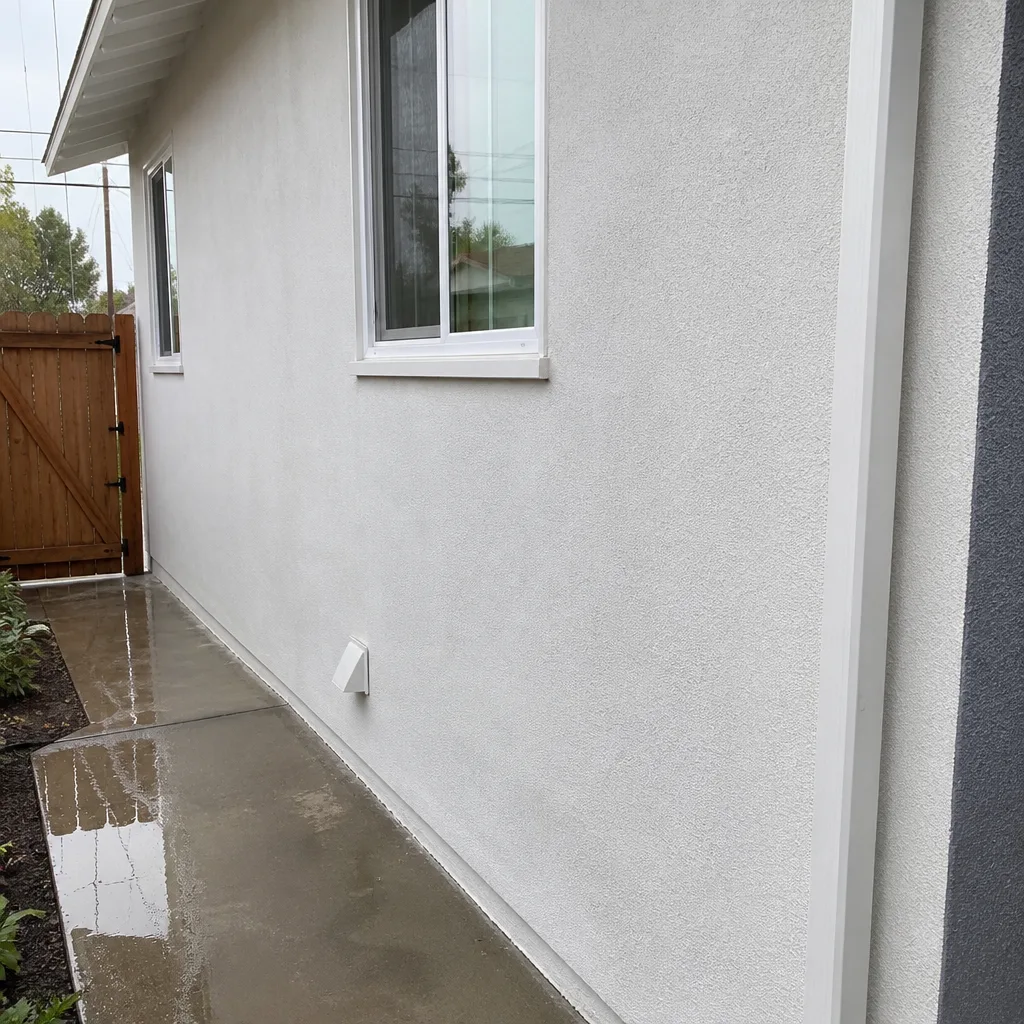
- Stucco hides water damage for years – a huge percentage of LA single-family homes have stucco exteriors. Stucco is porous, and when hairline cracks form behind it or around windows, water penetrates into the wall cavity and can sit there for months. The arid weather then dries the exterior surface, making the home look fine while the wall cavity quietly grows mold. By the time a homeowner notices a stain on the interior drywall, the damage behind it is often extensive.
- Slab foundations channel water invisibly – many LA homes, especially mid-century builds, sit on concrete slab foundations with plumbing embedded in or beneath the slab. A slab leak doesn’t produce a dramatic pool; it produces a warm spot on the floor, a slowly rising water bill, and eventually a musty smell coming from the baseboards. By the time you smell it, water has been migrating under your flooring for weeks.
- Dry air makes smoke damage worse – in humid climates, soot and smoke residues stay slightly damp and can be cleaned more easily. LA’s dry air means soot bonds faster and harder to painted surfaces, making the window for effective cleaning shorter after a fire.
These patterns are why we always tell Los Angeles homeowners to investigate small signs early. A water stain on the ceiling in August is not a cosmetic issue. It means water has been finding a path, and where there’s water, there’s a sequence already in motion.
The Three Decisions That Matter Most in the First 48 Hours
In our experience across nearly two decades of restoration work in Los Angeles, the first 48 hours contain three decisions that determine the total cost and duration of your restoration. Here they are, in order of importance.
Decision 1: What gets extracted, and how fast
For water damage, the difference between extraction within the first few hours versus the next day is often thousands of dollars. Every hour that water sits in drywall, flooring, and cabinetry expands the affected area by wicking and absorption. The first decision is simple: call someone who can be on-site with extraction equipment quickly, not someone who will “try to fit you in.” At Dryden, a live person answers every call, 24 hours a day, 7 days a week, and we commit to a named arrival window – not a four-hour range that turns into tomorrow.
Decision 2: What gets documented before anything gets torn out
If insurance is involved, the documentation phase is not optional. Before any wall is opened or any flooring is pulled, you need photographic evidence of the damage. A legitimate restoration company takes photos before, during, and after every phase, and provides those photos to your adjuster directly. The second decision is choosing a company that documents like your claim depends on it, because it does. We photo-document every job and coordinate with your insurance adjuster directly, so the scope the adjuster sees matches the damage that actually existed.
Decision 3: What dry standard and guarantee you accept
The third decision is the one most homeowners don’t know they’re making: what level of dryness and what warranty comes with the work. Some companies will pull equipment early, hand you a bill, and disappear. Others will stay until moisture meters confirm that structural wood has returned to a dry standard appropriate for your home’s materials, and they’ll put a written guarantee on the rebuild. At Dryden, the 365-Day Done Right Promise means if any covered repair fails within a full year, we come back and fix it at no charge. That guarantee is in writing on every job, and it’s part of The Kingswell Way: say the price before the work, show up in the window we gave, leave the place cleaner than we found it, put the guarantee in writing, and come back if it fails.
Delay any one of these three decisions, and the total cost multiplies. Decide all three well, and you’ve given yourself the best possible outcome from a bad situation.
Common Mistakes to Avoid
- Waiting to call because “the water looks contained.” Water that looks contained in a bathroom is already wicking into the wall cavity and under the flooring. In a slab-foundation Los Angeles home, what you see is a fraction of what’s happening. Call within the hour, not the next morning.
- Accepting a one-paragraph estimate as a scope of work. “Dry out and repair affected areas: $5,800” is not a scope. Demand room-by-room detail, equipment lists, moisture reading targets, and rebuild specifications in writing before work starts.
- Letting a handyman handle mold removal without containment. We’ve seen DIY mold remediation in Los Angeles properties turn a bathroom problem into a whole-house problem because spores were released into the HVAC system during demolition. Mold work requires containment and negative air pressure, full stop.
- Using a restoration company that hires strangers from a labor pool. The person you let into your home at 2 a.m. should be background-checked and in uniform so you know exactly who they are. Every Dryden technician who enters your home is verified and arrives in uniform.
- Skipping odor sealing after a fire. Paint over smoke odor without sealing first, and the smell returns whenever the weather changes. Shellac or oil-based sealing of every affected surface is essential before repainting.
- Accepting no written guarantee on the rebuild. If a contractor won’t put the warranty in writing, that warranty doesn’t exist. A 365-day written promise with a specific remedy (free return visit) is the minimum standard you should accept.
- Assuming your insurance adjuster and restoration contractor communicate automatically. They don’t. You need a restoration company that provides photo documentation and coordinates with your adjuster so nothing falls through. Ask about this before work starts.
When to Call a Professional
Call a professional restoration company immediately if you have standing water that extends beyond a single room, water that has soaked into walls or flooring, any water event involving a sewage backup or category 3 water, visible mold larger than a dinner plate, a musty smell you cannot locate, or fire damage that left soot on surfaces beyond the immediate burn zone. These are situations where the danger of secondary damage far exceeds the cost of professional intervention. For water events involving high-voltage electrical panels or outlets, turn off power at the breaker and wait for a professional; do not enter standing water in contact with electrical systems.
Dryden Restoration Los Angeles offers free estimates in Los Angeles, and a live person answers every call 24/7. Call (213) 423-6383 if you’re unsure whether you’re looking at a quick cleanup or a full restoration; we’ll tell you straight what you’re dealing with and what the next step should be.
Frequently Asked Questions
Water damage restoration in Los Angeles typically runs $2,800 to $7,500 for a contained room-level event and $15,000 to $40,000 for whole-home flooding. Fire restoration for a moderate kitchen fire averages $8,000 to $25,000, while mold remediation runs $2,500 to $6,500 for a small contained area and $8,000 to $25,000 for larger projects. These are Los Angeles market numbers: construction labor and materials run above the national average here, and older housing stock adds complexity. Call (213) 423-6383 for an exact quote on your specific situation; estimates are free and always in writing.
A restoration company with true 24/7 dispatch and local crews can typically have technicians on-site within 2 to 4 hours in most Los Angeles neighborhoods. At Dryden, a live person answers every call around the clock and we commit to a named arrival window, not an open-ended range. Speed on the mitigation side matters: hours, not days, make the biggest difference in total cost for water damage.
Most homeowners insurance policies cover sudden and accidental water damage (like a burst pipe), fire damage, and mold remediation that results from a covered water event. Gradual leaks, flood damage from outside water, and mold that grew from long-term neglect are typically excluded. The best approach is to have your restoration company photo-document everything before, during, and after the work so your adjuster sees exactly what was done and why. We coordinate directly with adjusters on every claim we work in Los Angeles.
Water damage restoration typically takes 3 to 7 days for the mitigation phase and another 1 to 3 weeks if rebuild is needed. Fire damage restoration usually runs 4 to 8 weeks for a moderate fire due to odor sealing, structural repair, and detailed cleaning. Mold remediation typically takes 5 to 10 days including containment, removal, drying, and clearance testing, plus rebuild time if drywall and insulation were removed.
If water has penetrated walls or flooring, you need at minimum professional moisture mapping and drying; a surface clean will leave hidden moisture that becomes mold. If you can see mold larger than a dinner plate or smell mold you cannot locate, you need remediation with containment and clearance testing. The threshold for professional intervention is lower than most homeowners think because secondary damage is invisible at first and expensive later.
Look for a company that provides a written scope of work before starting, commits to a specific arrival window, uses professional-grade equipment you can verify (like Dri-Eaz, Phoenix, and Injectidry), performs work to IICRC, RIA, and IFA standards, and offers a written guarantee on every repair. A background-checked, uniformed crew is also non-negotiable; you’re letting people into your home during an emergency, and you should know exactly who they are. Call (213) 423-6383 to ask us anything else about your specific situation.
The Bottom Line
Damage restoration in Los Angeles is a sequence, and the sooner you understand that sequence, the less it costs you. The first 24 to 48 hours control everything that follows. Extraction speed, documentation quality, and the written guarantee you accept determine whether your final bill is measured in thousands or tens of thousands. Los Angeles homes have specific vulnerabilities: stucco exteriors that hide water, slab foundations that channel it, clay soils that shift with the seasons, and dry air that bakes in smoke damage. Knowing these patterns before an emergency gives you the upper hand when one happens. For more guides & resources on protecting your Los Angeles home, explore our blog. If you’re facing water, fire, or mold damage in Los Angeles right now, call (213) 423-6383. A live person will answer, and you’ll get a straight answer and a written price before any work begins.
Written by Carl Brandt, Owner at Dryden Restoration Los Angeles, serving Los Angeles since 2005.
See the difference
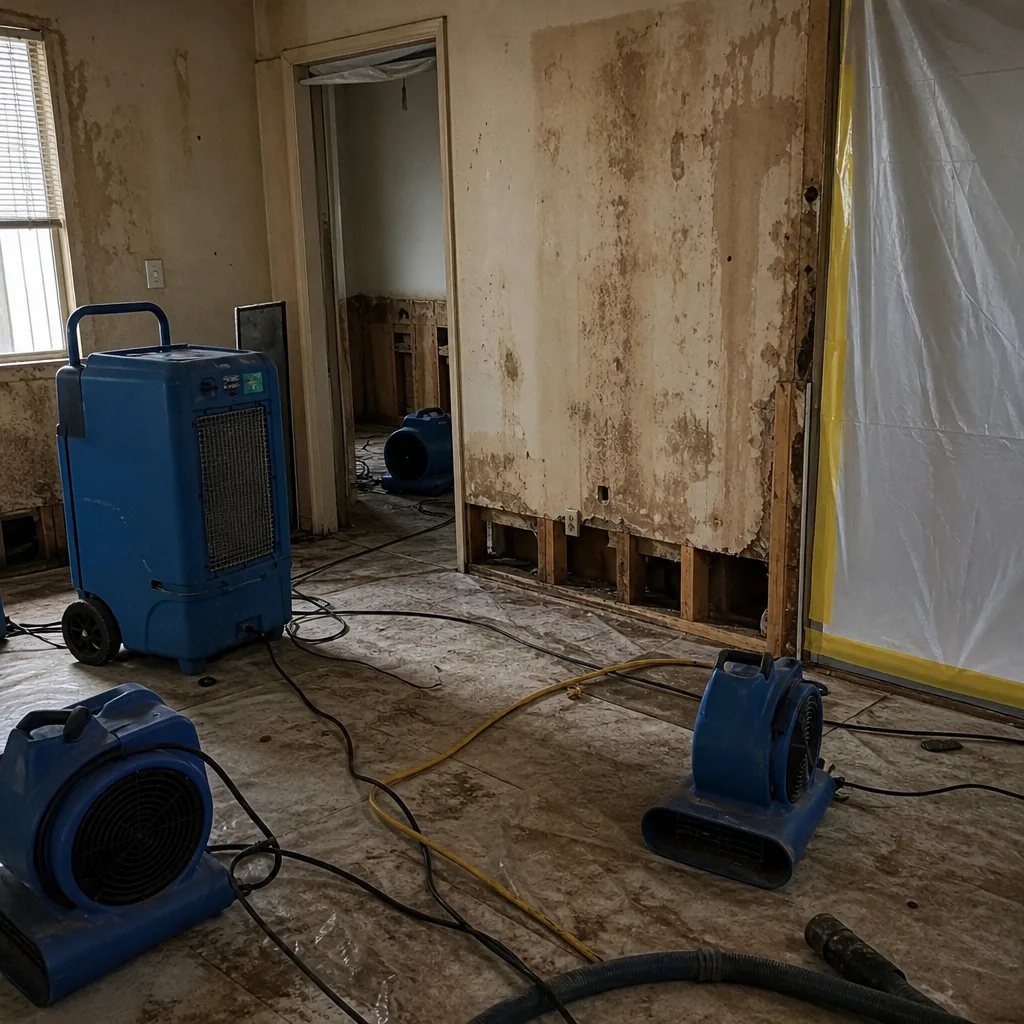 Before
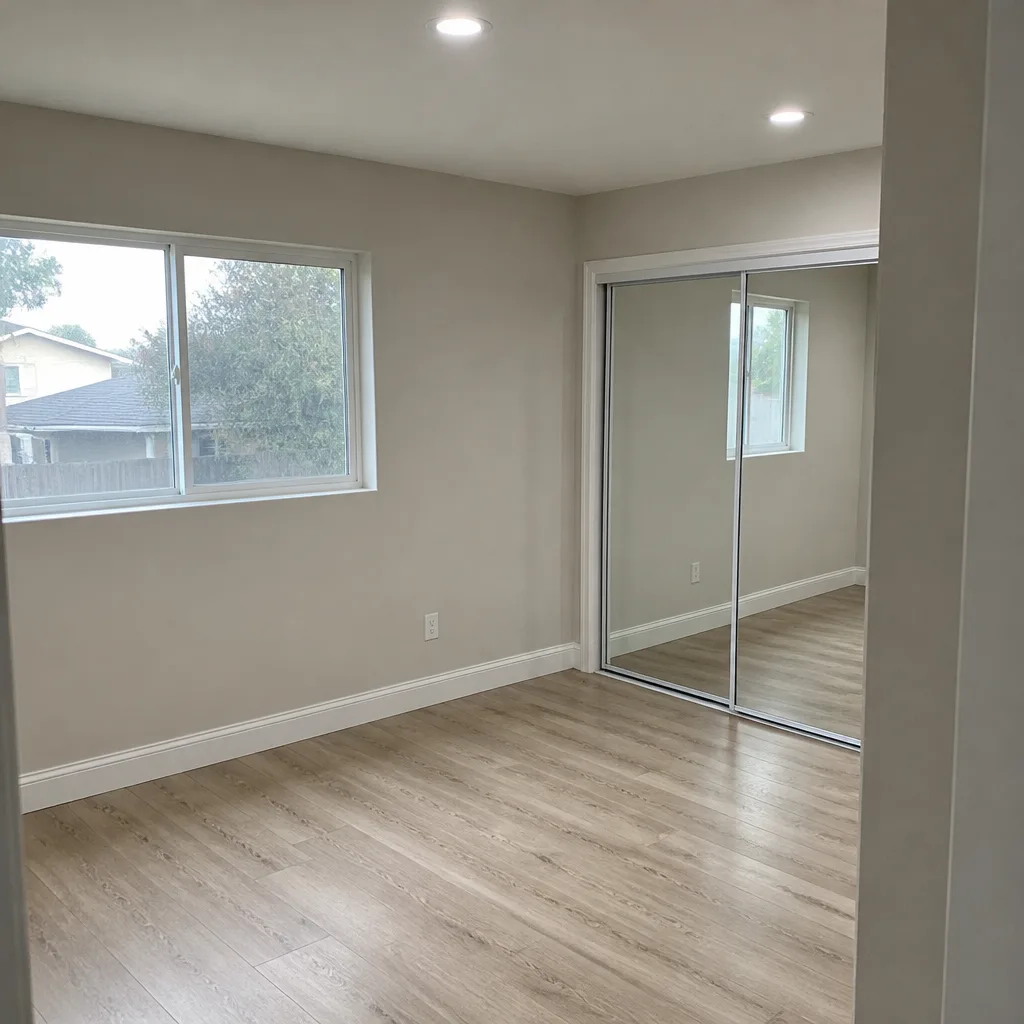 After
After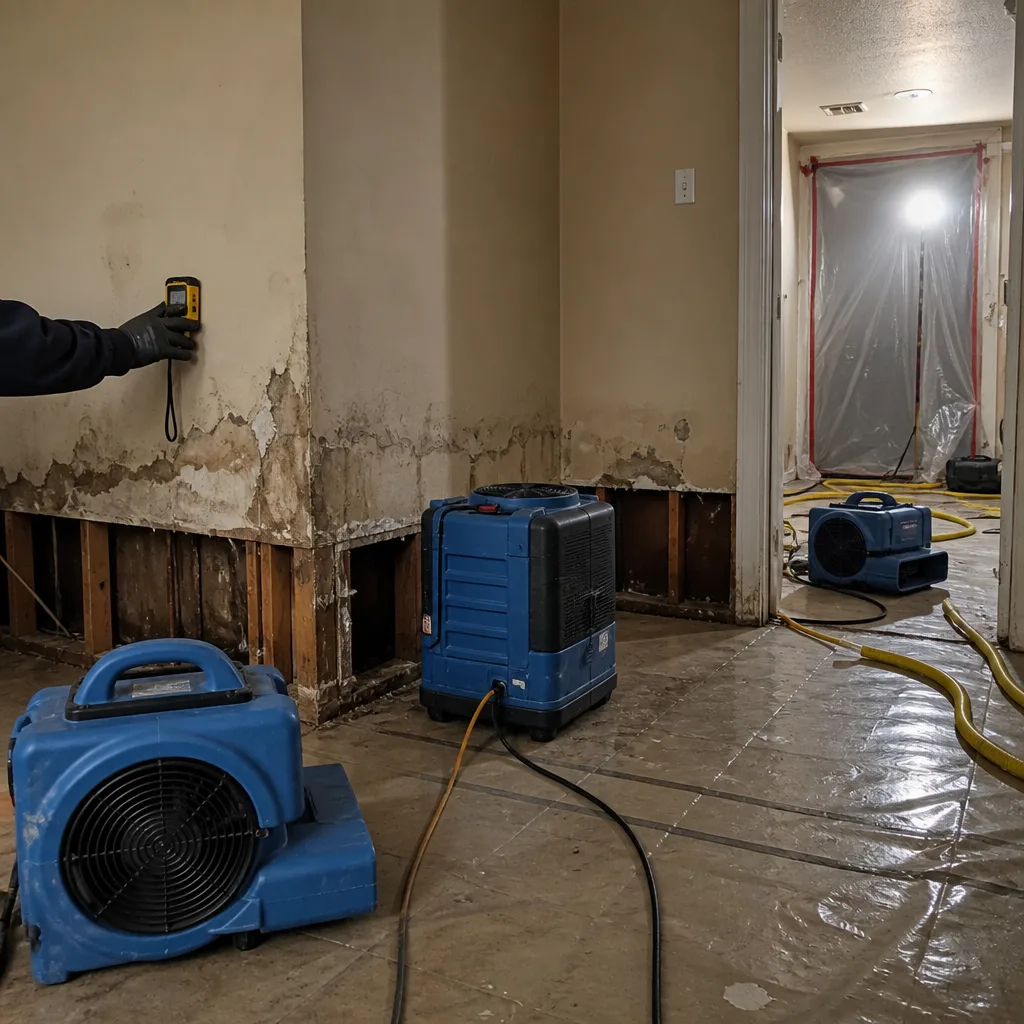 Before
 After
After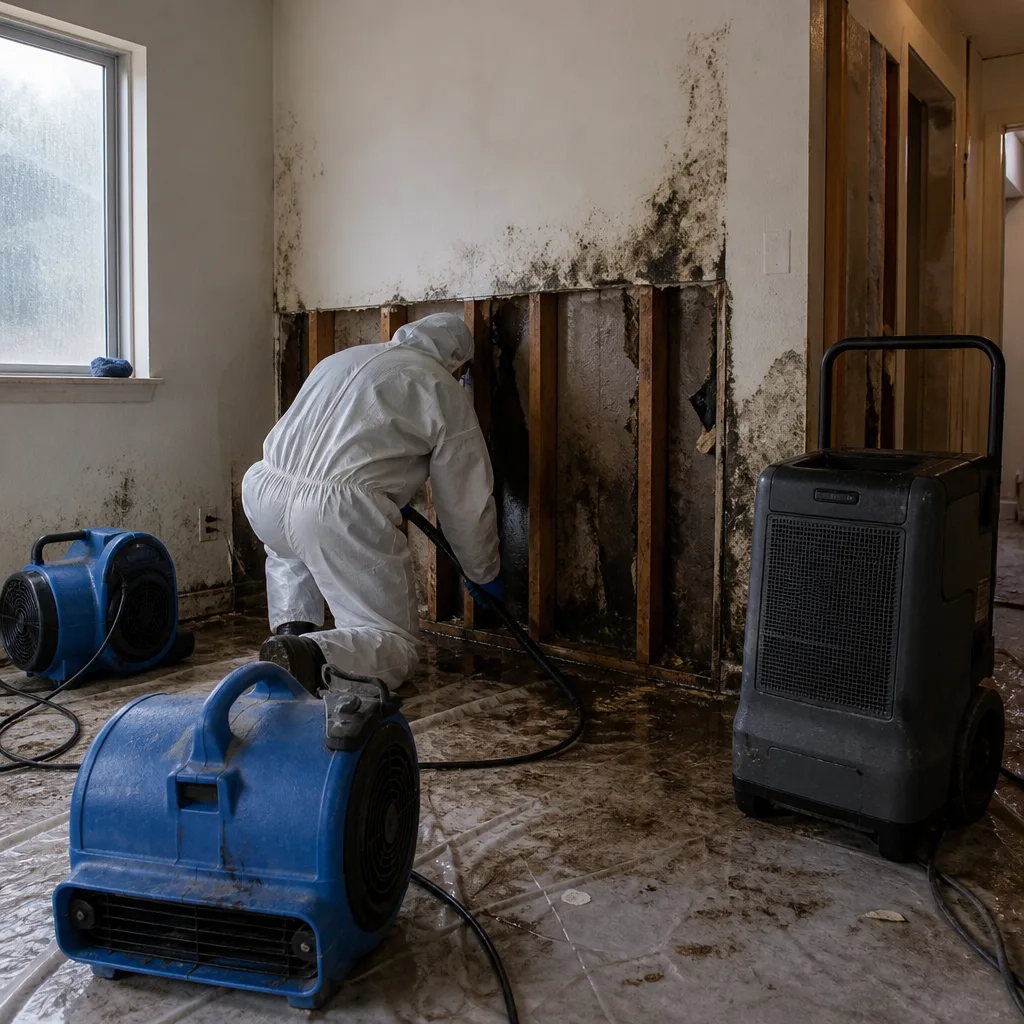 Before
 After
After