
Last updated October 16, 2026
 Water damage drying
 Fire & smoke cleanup
 Mold remediation
 Storm response
 Sewage cleanup
 Reconstruction
Free visual inspection and a written scope of work before any mitigation begins - photos, moisture readings, and drying logs go in your claim file
The scope we write is the scope we bill. Anything new gets shown to you, in writing, before we touch it.
Get your free estimateDamage Restoration Warning Signs: A Los Angeles Homeowner’s Reference Guide
Most homeowners spot a water stain on the ceiling and assume they’ve caught the problem early. In our experience across Los Angeles, that stain usually means water has been moving through that ceiling cavity for weeks, sometimes months. The visible sign is the end of a quiet process, not the beginning. This guide and our more guides & resources won’t just tell you what looks wrong. It will teach you how to read each clue backward, trace it to the real source, and know which signs mean you can breathe for a few weeks and which mean you should have someone in the house within 48 hours. By the end, you’ll understand why the spot you’re looking at and the problem you actually have are often in completely different parts of the home.
Restoration work we handle
Quick Answer
The most common water damage warning signs in Los Angeles homes are persistent musty odors that move with the HVAC system, efflorescence (white mineral residue) on stucco or foundation walls, peeling paint or bubbling drywall in rooms below bathrooms, rust staining around slab penetrations like toilets and water heaters, and baseboards that have begun to warp or pull away from the wall. Each of these signs points to a distinct moisture source, and the location of the visible damage is frequently not the location of the leak. A musty smell tied to the HVAC system, for example, usually means mold has colonized inside the air handler or ductwork, not in the wall where the smell seems strongest.
Table of Contents
- A Musty Smell That Moves With the HVAC
- Efflorescence on Stucco and Foundation Walls
- Rust Staining Around Slab Penetrations
- Peeling Paint and Bubbling Drywall
- Warped Baseboards and Floor Damage
- Cosmetic Settling vs. Structural Warning Signs
- Which Signs to Monitor and Which Need a Pro Now
- How to Document Damage for Contractors and Adjusters
A Musty Smell That Moves With the HVAC
Here’s the clue most people misread. When a musty smell appears only when the air conditioning or heat kicks on, the mold is almost never in the wall where the smell seems strongest. It’s in the air handler, the evaporator coil, or the ductwork. In Los Angeles, where air conditioning runs six to eight months of the year, condensation forms on the cooling coil every time the system cycles. If the drain pan is cracked, the drain line is clogged, or the unit wasn’t leveled properly at install, that water pools instead of draining. Mold follows within days. The smell then rides the airstream through the house, and because it concentrates at supply vents, homeowners often assume the wall behind the vent is the problem. It’s not. It’s the equipment.
What to check before calling anyone: open the air handler cabinet (usually in a closet, attic, or garage) and look at the drain pan. If you see standing water or a dark, fuzzy coating on the coil or blower housing, that’s your source. A second clue is smell intensity: if the mustiness is strongest in the first few seconds after the blower starts and fades as the system runs, that’s a classic sign of microbial growth inside the unit or the first few feet of supply duct. If the smell is constant regardless of HVAC operation, that points instead to wet drywall, saturated carpet pad, or a slow leak behind a wall cavity. Same smell, two different emergencies.
The reason this distinction matters is cost and disruption. Cleaning or replacing a mold-contaminated air handler or a section of duct can cost $800 to $2,500 and take a day. Tearing open walls chasing a smell that isn’t there can hit $4,000 to $9,000 and displace you for a week. Read the clue correctly first. Dryden Restoration Los Angeles has walked into dozens of Los Angeles homes where the previous contractor had already opened two walls before anyone thought to look inside the air handler. In those cases, the wall work was unnecessary, and the real problem kept growing while the wrong repair was underway. For mold that has spread from the HVAC into adjacent materials, our Mold Remediation in Los Angeles team starts with moisture mapping and air sampling before any demolition is scheduled.
Efflorescence on Stucco and Foundation Walls
Efflorescence is the white, chalky, crystalline deposit you sometimes see on stucco, concrete foundations, or the lower course of brick. It shows up as a powdery film or, in more advanced cases, as crusty white ridges that feel rough to the touch. It’s a salt deposit, not mold, and it doesn’t grow. What it tells you is that water has been moving through the wall material and evaporating at the surface, leaving dissolved minerals behind. Think of it as a signature left behind by a leak that may no longer be active, or one that’s still very much alive deeper in the wall. The deposit itself is cosmetic and harmless. The water that created it is not.
Los Angeles construction makes efflorescence particularly common for three reasons. First, many older LA homes have stucco applied directly over wood framing without a proper drainage plane, a building method that was standard for decades and now shows its age in exactly this way. Second, sprinkler overspray hitting stucco near foundation plantings is a daily source of water that works its way through the wall system. Third, drought-stressed clay soils in Los Angeles shift dramatically through wet and dry cycles, opening hairline foundation cracks that admit groundwater during winter rains. When you see efflorescence low on an exterior wall within three feet of a planter bed or sprinkler head, that’s the most likely story.
The diagnostic step is straightforward. Wipe the area with a dry rag. If the deposit returns within a few weeks, water is still actively moving through the assembly. If it doesn’t return, you’re looking at an old signature from a source that has since been corrected. Active efflorescence paired with any interior wall dampness, musty smell, or peeling paint on the same wall cavity means the water has breached to the inside, and that’s a professional call. Left unaddressed, the water that creates efflorescence eventually rots the sheathing, rusts the fasteners, and provides the moisture mold needs to colonize inside the wall cavity. The white dust is harmless. The process behind it isn’t.
Rust Staining Around Slab Penetrations
Slab penetrations are the places where plumbing pipes pass through the concrete foundation slab: toilets, tub drains, shower drains, washing machine standpipes, water heater lines, and kitchen sink drains. In Los Angeles, where an enormous share of housing is slab-on-grade construction rather than raised foundation, these penetrations are the single most common location for slow, hidden leaks. Most slab leaks don’t announce themselves with a gush. They seep, often for months, and the first visible sign is often a faint rust-colored stain spreading outward from the base of a toilet or along the seam where a pipe enters the slab.
Rust staining around a penetration means water is present often enough that ferrous metal is oxidizing. In some cases it’s the pipe itself. In others it’s a flange bolt, a water heater pan, or a washing machine supply line. Here’s the distinction that matters: a rust stain that stays dry to the touch and doesn’t change size over a few weeks is usually an old event, a past leak that has since been repaired. A rust stain that feels cool or damp, or one that darkens after a shower or a laundry cycle, is an active leak. Test it the way a plumber would: run the fixture directly above the stain for 5 to 10 minutes, then check for temperature change or moisture at the stain. Water moves fast through a break once you introduce flow.
If the stain is near a water heater, check the drain pan. Los Angeles building code has required overflow pans under water heaters for decades, but most pans drain to nowhere useful, and rust staining around the pan’s base often means the tank itself is weeping through a pinhole in the jacket. That’s a replacement situation, not a repair. For any active slab leak, even a slow one, the clock is running. Water moving under the slab erodes the soil supporting the foundation, and in Los Angeles’ expansive clay soils, that erosion translates into uneven settling within a season or two. For active leaks around the base of the toilet or shower, expect a Water Damage Restoration in Los Angeles team to inspect the subfloor from below (via a crawl space or access panel) to see how far the moisture has traveled. If no access exists, we use non-invasive moisture meters to map the wet area before any demo.
Peeling Paint and Bubbling Drywall
Peeling paint in a bathroom, kitchen, or any room directly below a bathroom is one of the few warning signs that homeowners correctly associate with water. But the fix they attempt, usually scraping, patching, and repainting, addresses the symptom and not the source. Paint fails for many reasons: age, sun exposure, poor surface prep. When it fails in a pattern, that’s the diagnostic. Paint that peels in sheets, or that separates from the wall in a way that reveals drywall that feels chalky or soft underneath, is saying moisture behind the paint film. Paint that flakes in small, uniform chips over a large area is usually just old age. One is cosmetic. The other is a leak.
Bubbling drywall is a stronger signal. Drywall bubbles when the gypsum core absorbs enough water to expand and break the paper facing. The bubble may feel hard, a sign the leak has stopped and the material dried in place, or soft and spongy, a sign the leak is active right now. Push gently with your thumb. If it gives, you have live water somewhere above or behind that wall. In Los Angeles homes, the usual suspects above a bubbled ceiling are: a failed wax ring on a second-floor toilet, a cracked shower pan, a slow leak at a tub overflow, a roof penetration that’s been leaking through the attic, or an HVAC condensate line that drains directly onto the ceiling drywall instead of into a proper drain. Any of these can run for weeks between visible events.
What surprises homeowners is that water doesn’t fall straight down. It moves along the top of the drywall, follows joists and strapping, and pools at the lowest point, which is rarely directly under the leak. A bubble in a hallway ceiling outside a bathroom often traces back to a toilet flange 6 or 8 feet away. Drywall staining follows the same path. A yellow or brown ceiling stain shaped like a ring, with a lighter center, indicates old water that pooled and dried there. A stain that’s expanding at the edges, especially one that feels damp, indicates active water. Before cutting into any ceiling, have the area above inspected, not just the damaged drywall. It’s the difference between a $400 patch job and a $3,000 repair that stops the leak and then fixes the ceiling once, not twice.
Warped Baseboards and Floor Damage
Baseboards are a moisture-reporting system most people never learn to read. Wood baseboards sit at the junction of two materials, drywall above and flooring below, and both surfaces move water in predictable ways. When a baseboard begins to warp, gap at the top, or pull away from the wall at the bottom, water has been present at that junction often enough to swell the wood. In Los Angeles, where a huge portion of homes have slab foundations with baseboards sitting directly on concrete, this is one of the few warning signs that catches slab moisture early.
The pattern tells you the source. Warping at the baseboard’s bottom edge, with the top still tight against the wall, suggests water wicking up from below: slab moisture, a leak under the flooring, or groundwater pushing through a crack. Warping at the top edge, or a gap that opens between baseboard and drywall while the bottom stays seated, suggests water running down the wall from above: a window leak, a roof leak, or condensation from an attic problem. If the baseboard is separated from the wall along its entire length in one room, with no water staining anywhere, consider whether the wall itself has shifted: that’s a structural question, not a moisture one, and we’ll address it in the settling section below.
Floor damage often follows the same source logic. Cupping, where the edges of floorboards are higher than the center, means moisture from below. Crowning, where the center is higher than the edges, usually means moisture from above, often a spill or a cleaning routine that’s left the surface too wet for too long. Tile that sounds hollow when tapped, or that has begun to loosen from the substrate, means the mortar bed or the subfloor below is breaking down, and water is the most common culprit in Los Angeles interior spaces. Carpet that stays damp for more than a day in a localized area, especially near an exterior wall or a bathroom, is wicking from a source that hasn’t been found. Wet carpet pad doesn’t dry on its own in a Los Angeles interior, not even in summer, and within 48 to 72 hours it supports mold growth. If you can’t identify and stop the source quickly, the pad and the carpet both need professional attention.
Cosmetic Settling vs. Structural Warning Signs
Los Angeles sits on some of the most dynamic soils in the United States. Expansive clay shrinks in drought and swells with winter rain. Add seismic activity, aging foundations on post-war slab construction, and decades of drought-stressed trees pulling moisture from the soil, and some house movement is normal. The same crack that would alarm a homeowner in Dallas might be structurally insignificant in Los Angeles. But the reverse is also true: some cracks that look minor are the first visible sign of a foundation problem that will cost $20,000 or more to correct if left alone. The skill is telling the difference, and there are specific visual tests any homeowner can perform with no special equipment.
Start with crack width. Hairline cracks, under 1/16 inch (about the thickness of a dime), are almost always cosmetic in Los Angeles homes, especially when they run in straight vertical or diagonal lines from door and window corners. Those corners are stress concentrators, and seasonal cycling opens and closes them year after year. Cracks that are wider than 1/8 inch, or that are wide at one end and narrow at the other, or that form in a stair-step pattern through block or brick, are structural until proven otherwise. Take a pencil and mark the ends of the crack, write the date next to it, and photograph it. If the crack extends past your marks within three months, or if it widens enough to fit a nickel, that’s movement that needs an engineer’s eyes.
Door and window operation is the second test. A door that starts sticking in summer and frees up in winter is normal seasonal movement in Los Angeles. A door that becomes progressively harder to latch over a two-year period, or a window frame that visibly separates from the wall, is not. Look at the diagonal paths from door corners: if you see plasterboard cracking in a pattern that mirrors the door opening, that’s the frame racking under load. Check exterior brick or stucco for vertical cracks that align with interior cracks. When an exterior and interior crack match in location or continue through the same plane, the crack likely runs through the entire wall assembly, not just the surface finish, and that’s a structural flag. None of this is a water damage issue on its own, but foundation movement opens the paths water needs to enter the house, so the two problems are connected in Los Angeles more often than homeowners realize.
Drought-stressed foundation plantings deserve their own mention. Large trees within 15 feet of the foundation, especially in neighborhoods like Sherman Oaks, Encino, and Studio City where mature landscaping is part of the property’s character, pull an enormous amount of water from the soil during dry years. The soil volume loss under one corner of the slab causes that corner to drop, and the house begins to move in ways that show up as the same door and crack patterns described above. If you have large trees close to the foundation and you’re seeing new cracks or sticking doors, the tree is part of the diagnostic picture. The fix may be as simple as a soaker line around the foundation to keep soil moisture stable, or it may require deeper remediation. Either way, read the tree and the crack together, not separately.
Which Signs to Monitor and Which Need a Pro Now
Not every warning sign is an emergency. Some are invitations to watch and document before spending money. Others need a professional call within 24 to 48 hours because the damage compounds quickly, and waiting turns a $1,500 repair into an $8,000 remediation-see our DIY vs Professional Damage Restoration: The Los Angeles Homeowner’s Decision Guide to help decide which path fits your situation. Here’s an honest breakdown of both lists, with the reasoning behind each threshold.
Safe to monitor for a few weeks:
- Dry, stable rust staining around a penetration or water heater that doesn’t change with fixture use. If you’ve run the fixture and the stain stays dry and unchanged, it’s likely an old event. Document it, check it again in two weeks, and watch for any change.
- Efflorescence that doesn’t return after being wiped clean. If the deposit is old and the surface behind it is dry, the water source has probably been corrected. Photograph it, wipe it, and recheck in 14 days.
- Hairline cracks under 1/16 inch in door and window corners with no associated door operation problems. Mark them, date them, and check monthly. These are the most common cracks in Los Angeles homes and rarely indicate structural issues.
- Old water stains with crisp, dry edges on ceilings that don’t expand after heavy rain or fixture use. A stain that isn’t growing is a record of a past event. If you know the leak was repaired and the area tests dry, paint and move on.
- Mild condensation on single-pane windows in winter. This is a ventilation and insulation issue, not a leak, though chronic condensation on window frames can eventually support mold growth in the tracks.
Call a professional within 24 to 48 hours:
- A musty smell tied to the HVAC system that you’ve confirmed by the air handler inspection described earlier. Mold inside the ductwork spreads through the house every time the blower runs, and the colony grows by the day. The fix gets bigger the longer it waits.
- Active stains that grow after rain or after running the fixture above them. That means the water path is open and moving, and the damage is compounding. Each rain event adds more water to the assembly.
- Bubbling drywall that feels soft or spongy, or that weeps when pressed. Active water in the wall cavity will saturate insulation, rust fasteners, and support mold within days, and the drywall that’s bubbling now will need replacing regardless of how quickly you act.
- Warped baseboards paired with damp flooring in a localized area. Wet carpet pad and saturated wood don’t dry on their own indoors, and mold growth begins on these surfaces within 48 to 72 hours in Los Angeles temperatures.
- Any crack over 1/8 inch wide, any stair-step crack in brick or block, or any crack that extends past pencil marks within three months. Foundation movement doesn’t self-correct, and the engineering evaluation it requires is far less expensive now than the structural repair it becomes later.
The reasoning behind the 48-hour threshold is temperature. Mold needs three things: moisture, organic material, and warmth. Los Angeles provides the warmth year-round, and drywall, wood, and carpet are all organic food sources. The only missing ingredient is water, and when water is present, colonization begins faster than most homeowners believe possible. If you’re on the fence about whether a sign is active, a moisture meter reading is the fastest way to know, and it’s a tool any professional restoration team will bring with them.
How to Document Damage for Contractors and Adjusters
The difference between a smooth insurance claim and a denied one often comes down to documentation quality before anyone arrives on site. Most homeowners photograph the visible damage from one angle, standing where it’s convenient, with no reference point. Those photos tell the adjuster almost nothing about the size, the source, or the timeline. Here’s how to document in a way that’s useful to both a contractor estimating the job and an insurance adjuster evaluating the claim.
- Start wide, then go close. First shot: the entire room from a corner, showing where the damage sits in the space. Second shot: the entire damaged wall or ceiling section from 6 feet. Third shot: a close-up of the main sign, filling the frame. Fourth shot: an extreme close-up showing texture and edge detail. This sequence lets anyone reviewing the photos understand context, location, and severity in that order.
- Include a reference object in every shot. A standard AA battery, a credit card, or a ruler gives the viewer a real sense of scale. A coin works for crack width. Without a reference, damage that’s 12 inches across looks identical in a photo to damage that’s 6 inches across, and an adjuster who can’t verify size may lowball or deny.
- Photograph the suspected source, not just the symptom. If the stain is under a toilet, photograph the toilet from below, the shut-off valve, the wax ring if visible, and the area around the flange. If it’s a roof issue, photograph the ceiling stain and then the roof penetration above it, even if the connection seems obvious. The adjuster needs to see the causal chain.
- Date-stamp and time-stamp everything. Digital photos carry metadata, but that metadata can be stripped when files are forwarded or uploaded. Take a photo that includes the date, either by enabling the timestamp feature on your phone or by holding a handwritten note with the date in one frame. For active leaks that grow, photograph at intervals and keep the series.
- Document what you did, not just what you saw. If you shut off a water supply, moved furniture, or wiped up standing water, write it down and photograph the area before and after. Adjusters use this information to understand the timeline, and courts have ruled that prompt mitigation efforts can support a claim rather than invalidate it.
- Keep receipts for emergency mitigation. If you buy a fan, rent a dehumidifier, or pay for a plumber to stop a leak before restoration work begins, keep the receipts. These are generally recoverable under most homeowners policies when they’re documented as emergency damage control, not as the repair itself.
The same documentation helps a contractor price the job accurately. When we arrive at a Los Angeles home with a full photo sequence already in hand, we can move straight to moisture mapping and scope development instead of spending the first hour reconstructing what happened-preparation that aligns with the steps in our How to Hire a Damage Restoration Contractor in Los Angeles: A Step-by-Step Guide. It also protects you: a written scope based on complete documentation means the number in the estimate reflects the actual work, and no surprise line items appear mid-job.
Common Mistakes to Avoid
- Painting over a water stain without confirming the leak is stopped. This is the most common mistake we see in Los Angeles homes, and it’s understandable: the stain is ugly, and paint is cheap. But the stain returns, the drywall keeps degrading, and by the time the real repair happens, the patch area has doubled. Confirm the source is fixed, verify the material is dry with a moisture meter, then prime with stain-blocking primer. In that order.
- Assuming the damage is where the leak is. Water travels along the path of least resistance, which means along joists, down studs, and across the top of drywall before it pools. The visible sign is the destination, not the source. Trace backward before cutting.
- Running the HVAC when you smell mold. Every cycle pushes spores through the entire house. If the smell is tied to the HVAC, turn the system off until it’s inspected. We know that’s uncomfortable in a Los Angeles summer, but running a contaminated system compounds the problem faster than any other action a homeowner can take.
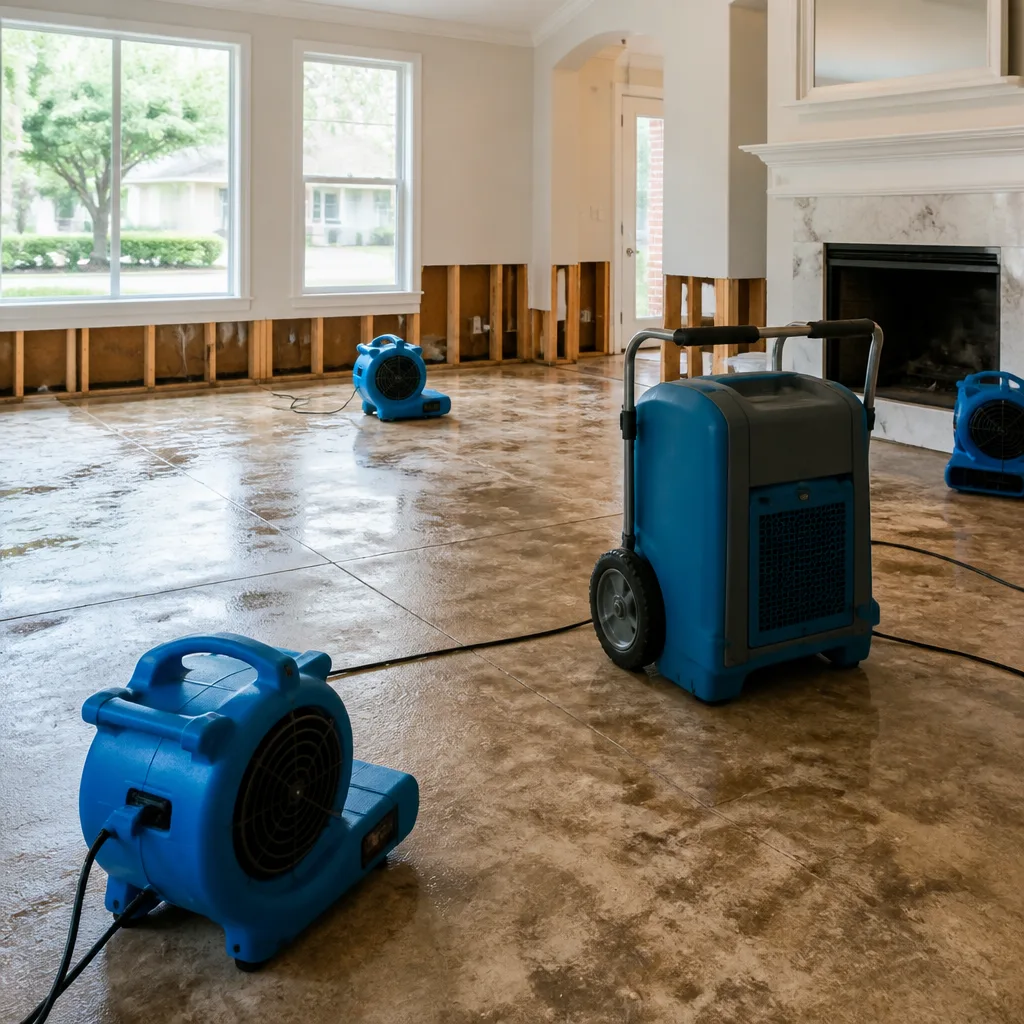
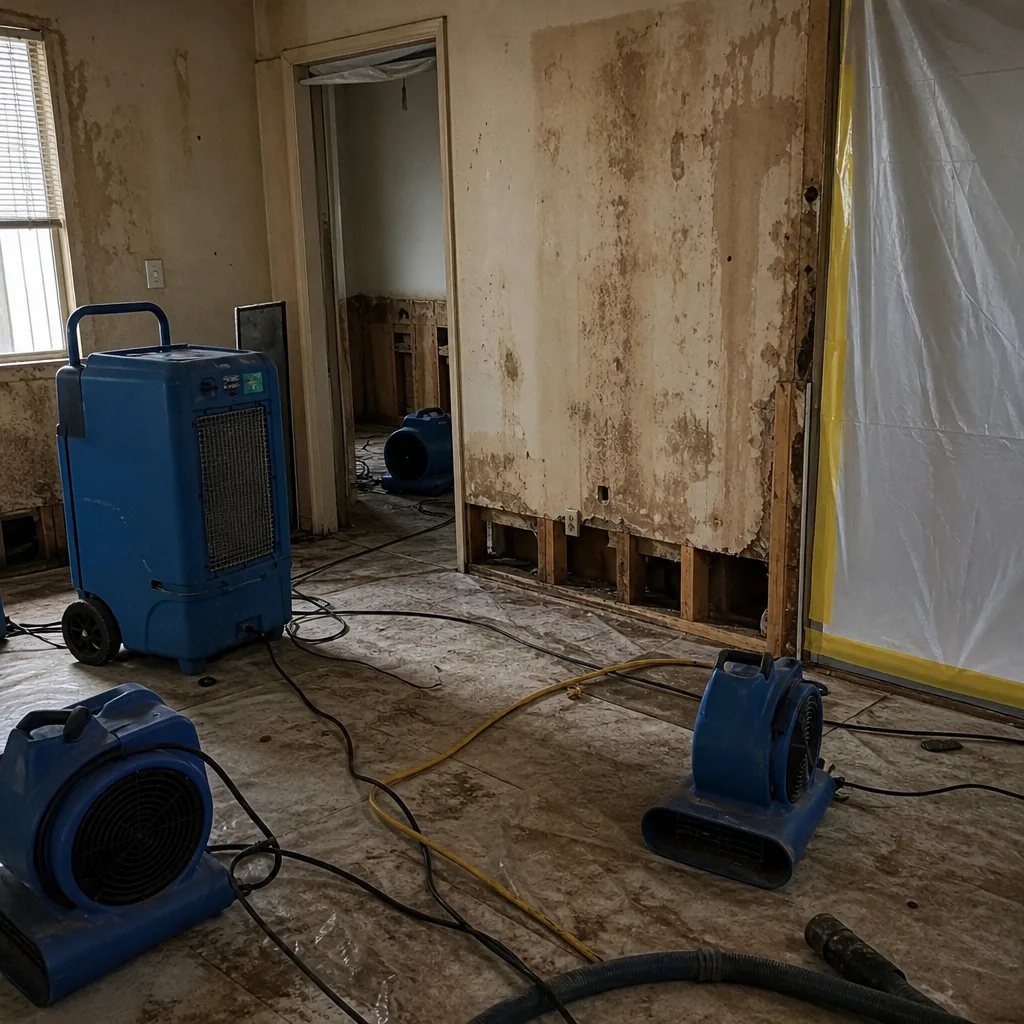
- Using a household fan to dry a saturated wall. A box fan moves air across the surface, which dries the top layer and gives a false sense of progress. The water inside the wall cavity stays put, and the surface drying traps it. Professional-grade drying equipment, like the Phoenix axial fans and XPOWER air movers we run on Los Angeles jobs, is engineered to move air across and through assemblies, not just over the top.
- Ignoring a small rust stain because it’s dry. Dry today doesn’t mean old. Many slab leaks are intermittent, tied to fixture use or rain events. Check the stain after running the fixture, check it after heavy rain, and if it changes at all, treat it as active until proven otherwise.
- Caulking a recurring crack. Caulk fills the void but doesn’t stop the movement that created it. If a crack reopens after being filled, the house is moving, and the correct response is to understand why, not to apply another bead. This is especially true in Los Angeles, where expansive soils and drought cycles keep the ground under the slab in constant motion.
- Waiting to see if the damage gets worse before calling. With water, waiting is the most expensive option. The damage is compounding whether you’re watching it or not, and the repair cost grows along with the affected area. The call to have it looked at is free. The delay isn’t.
When to Call a Professional
If you’ve confirmed an active leak you can’t trace, a musty smell tied to the HVAC system, a soft spot in flooring or drywall, a growing stain, or any crack over 1/8 inch, call someone who does this work every day. The right professional arrives with a moisture meter, an infrared camera, and a process for finding the source without tearing open more than necessary. They’ll give you a written price before any work starts, and they’ll explain what they found in plain language. Dryden Restoration Los Angeles offers free estimates for water damage, mold, and Fire Damage Restoration in Los Angeles. Call (213) 423-6383 and a live person answers, 24 hours a day, every day of the week. If the problem is active, the sooner we’re in the house with meters and sensors, the less wall and floor come out, and the smaller the final bill.
Frequently Asked Questions
An old stain has crisp, dry edges, doesn’t grow after rain or fixture use, and feels dry to the touch. An active stain has expanding edges, may feel cool or damp, and changes in size or color after you run the fixture above it or after heavy rain. When in doubt, press a dry paper towel against the stain for 30 seconds. If it comes away damp, the stain is active. Call (213) 423-6383 for a free estimate if you’re not sure.
Sudden and accidental water damage, like a burst pipe or an overflowing washing machine, is typically covered by a standard homeowners policy. Gradual damage from a leak that’s been running for months is often excluded, which is why early detection matters so much financially. Our team documents every job with photos and moisture readings that adjusters accept, and we coordinate directly with your insurance company throughout the claim.
Mold colonization on wet drywall, wood, or carpet can begin within 48 to 72 hours in Los Angeles temperatures, especially in warmer months. The window to dry materials before mold takes hold is measured in days, not weeks. If you’ve had a leak you couldn’t stop immediately, have the affected area professionally dried, not just wiped down. Our crews run Dri-Eaz and Phoenix drying systems that pull moisture out of wall cavities and subfloors, not just off the surface.
Surface cleaning removes what you can see. The water inside the wall cavity, under the flooring, and behind the baseboards stays behind, and those are exactly the conditions mold needs. For anything beyond a small spill contained to a hard floor, professional drying is the difference between a few hundred dollars in equipment time and a few thousand dollars in later remediation. For Los Angeles homes, where slab foundations and stucco construction hold moisture differently than raised foundations in other regions, the margin for DIY error is smaller.
Water stains are yellow, brown, or copper-colored, often ring-shaped, and have a gradual transition to unstained material. Mold colonies are dark, irregularly shaped, possibly fuzzy or slimy, and tend to appear in clusters rather than continuous bands. Both require moisture to form, and both are symptoms of a leak. If you see either, the water source is the problem to solve first. Our comprehensive Dryden Restoration Los Angeles home page walks through the full process for both.
Three factors converge in Los Angeles. First, a large share of the housing stock is slab-on-grade construction from the post-war building boom, and slab plumbing leaks are a known failure mode in homes of that era. Second, expansive clay soils shrink and swell through drought and rain cycles, opening foundation cracks that admit groundwater. Third, many older homes were built with stucco over direct wood framing without modern drainage planes, so exterior water works its way into the wall system over time. These issues are manageable, but they require reading the warning signs correctly, which is what this guide and our Seasonal Damage Restoration Care for Los Angeles: Year-Round Homeowner’s Guide are for.
The Bottom Line
A water stain, a musty smell, a rust mark, or a cracked baseboard is not the problem. It’s a clue pointing to the problem, and the problem is usually somewhere else in the house. Reading the clue correctly means you fix the right thing the first time, and you don’t tear into walls chasing a symptom while the real leak keeps running. The most expensive Los Angeles water damage jobs we see are rarely the largest. They’re the ones that sat unaddressed for months because the early warning sign was painted over, ignored, or misread. When the sign is active, act. When you’re not sure, call. The estimate is free, and the cost of looking is always lower than the cost of waiting.
Written by Carl Brandt, Owner at Dryden Restoration Los Angeles, serving Los Angeles since 2005.
See the difference
 Before
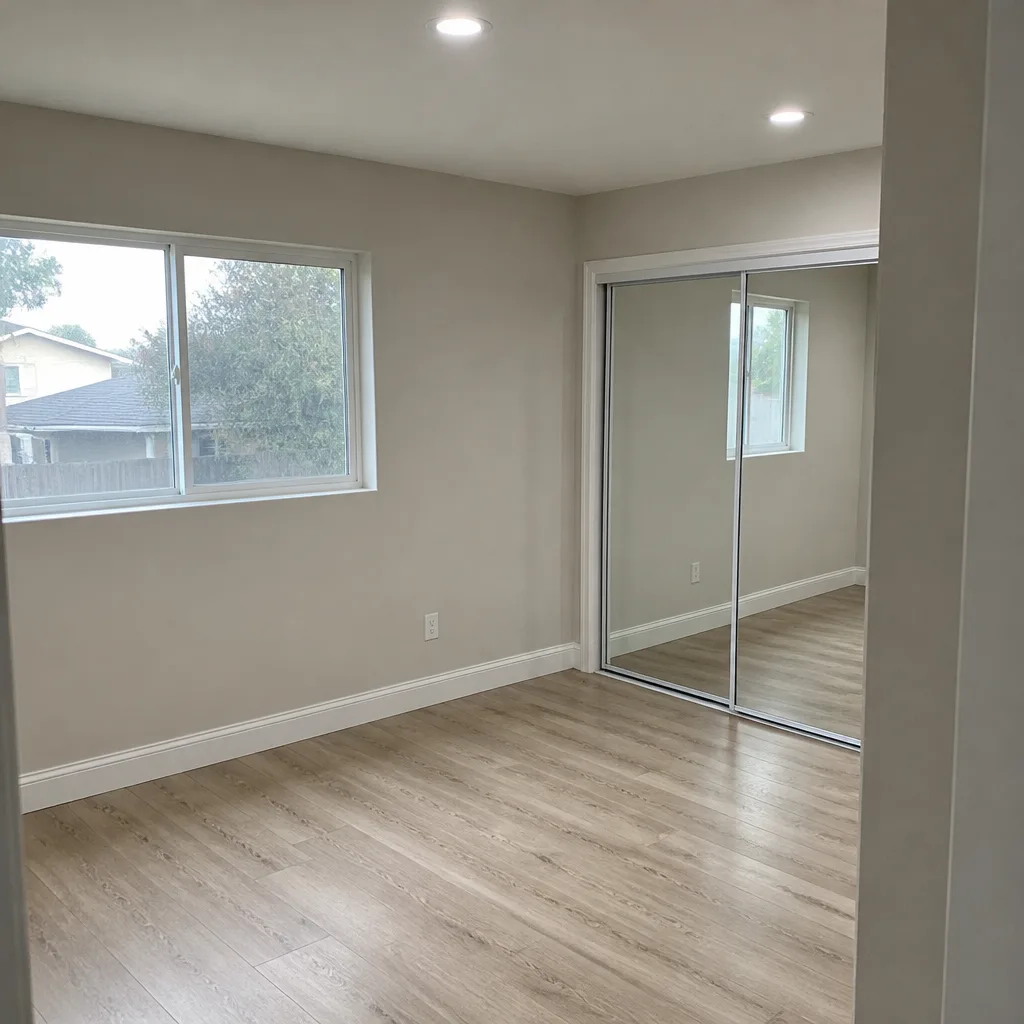 After
After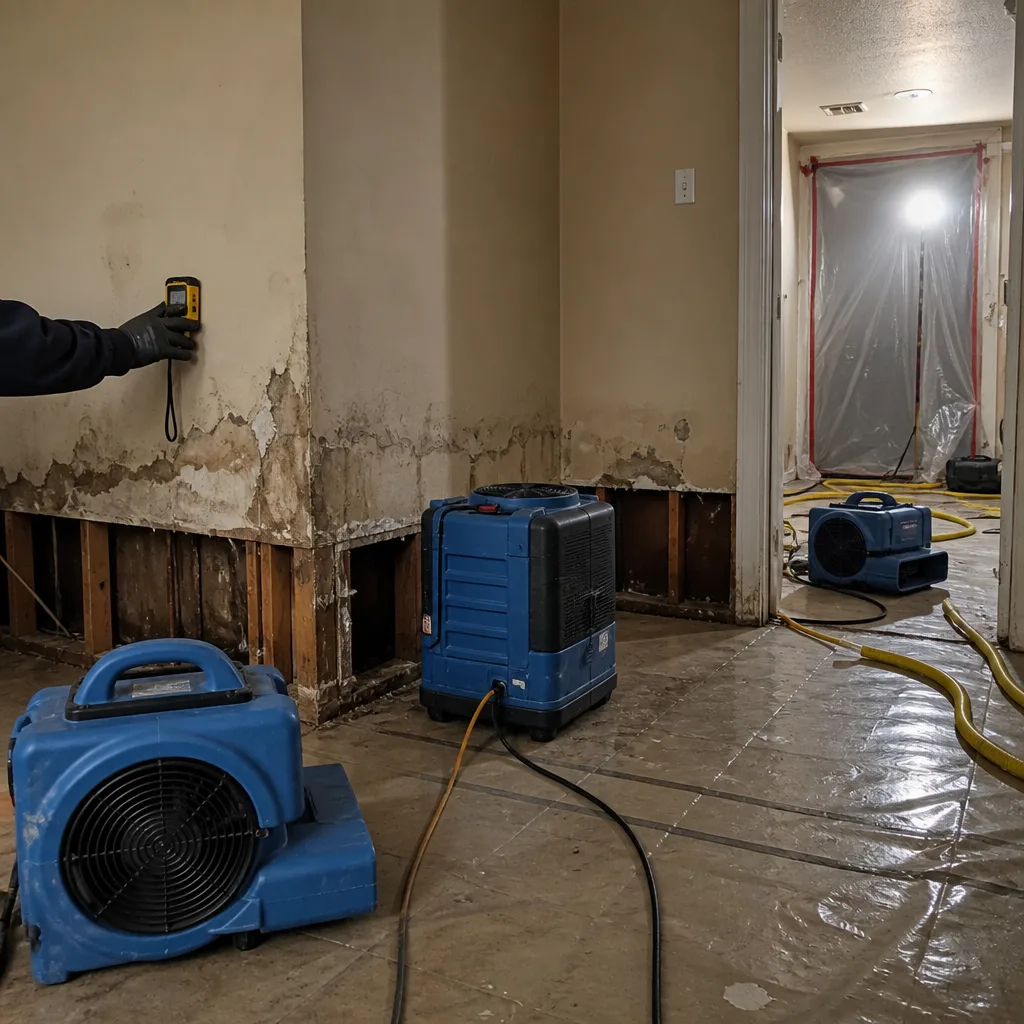 Before
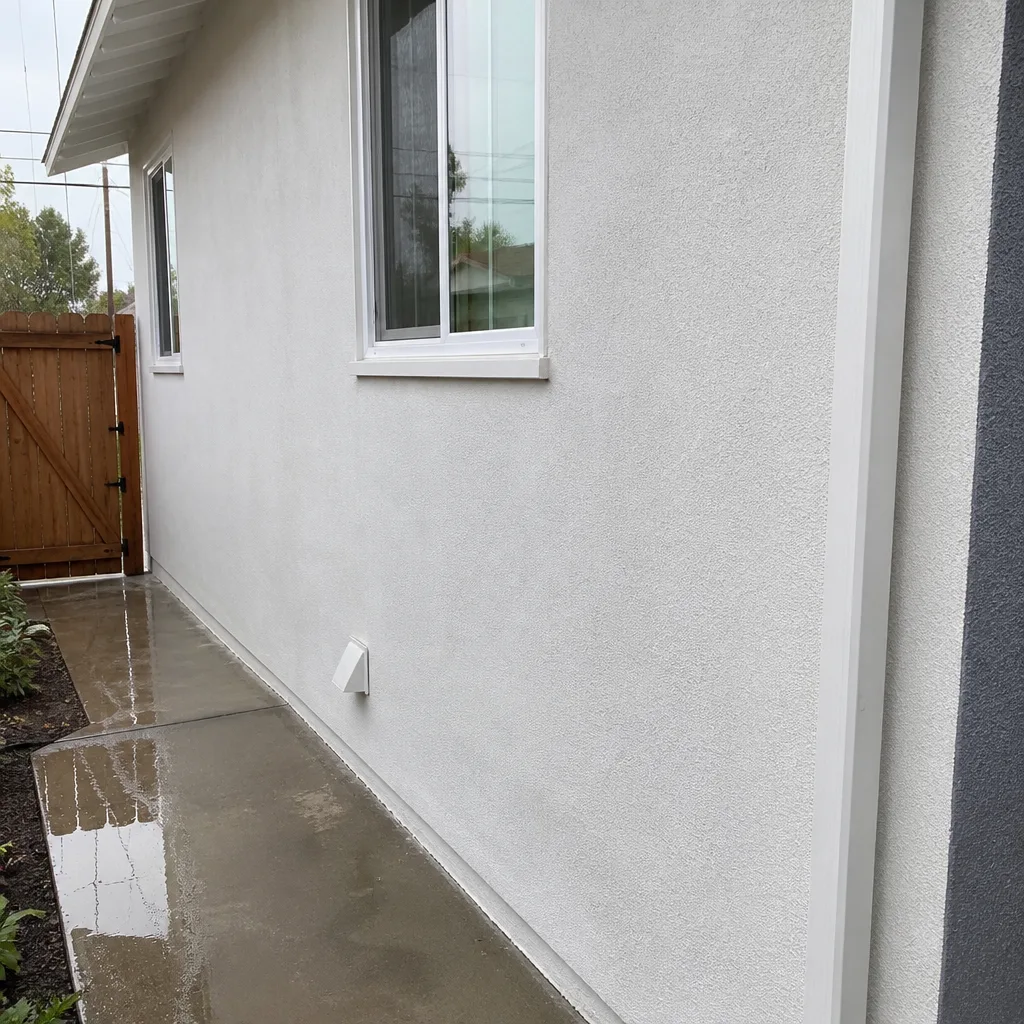 After
After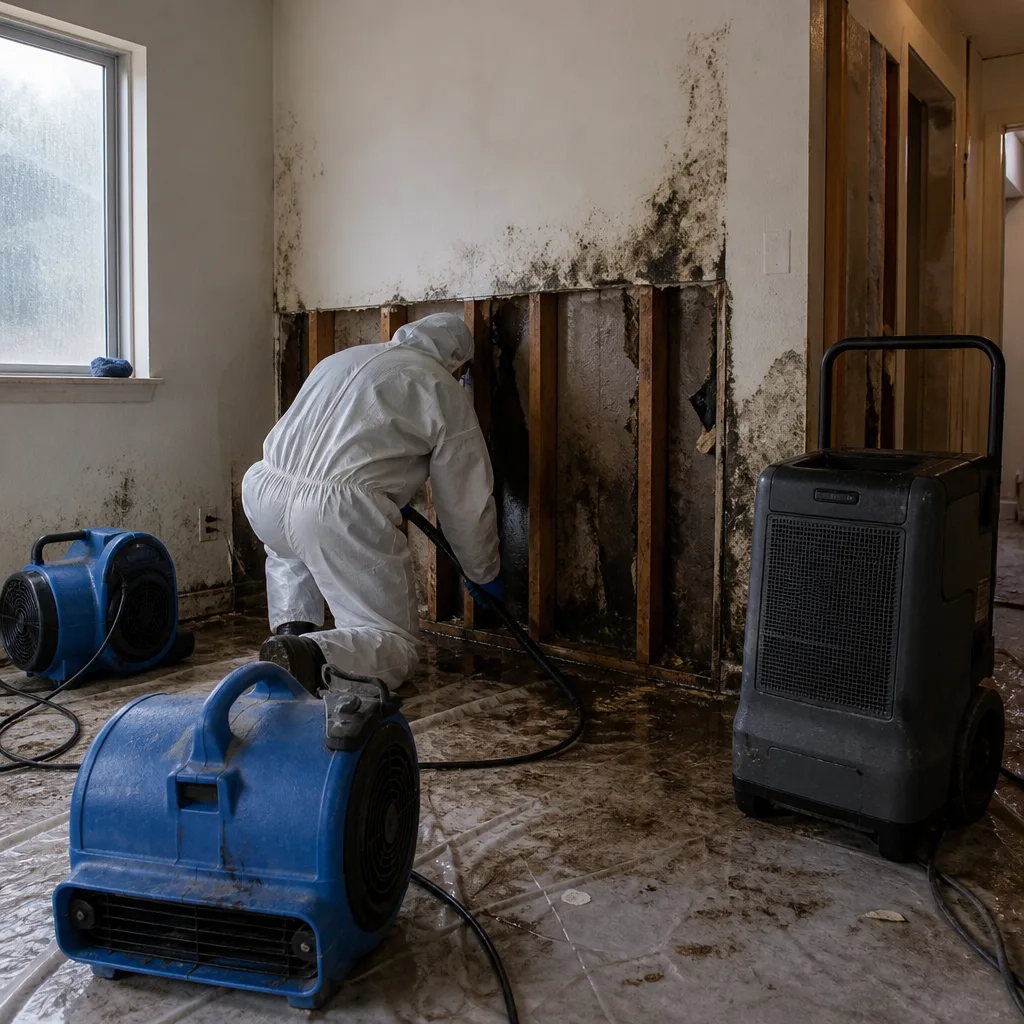 Before
 After
After