
Last updated October 16, 2026
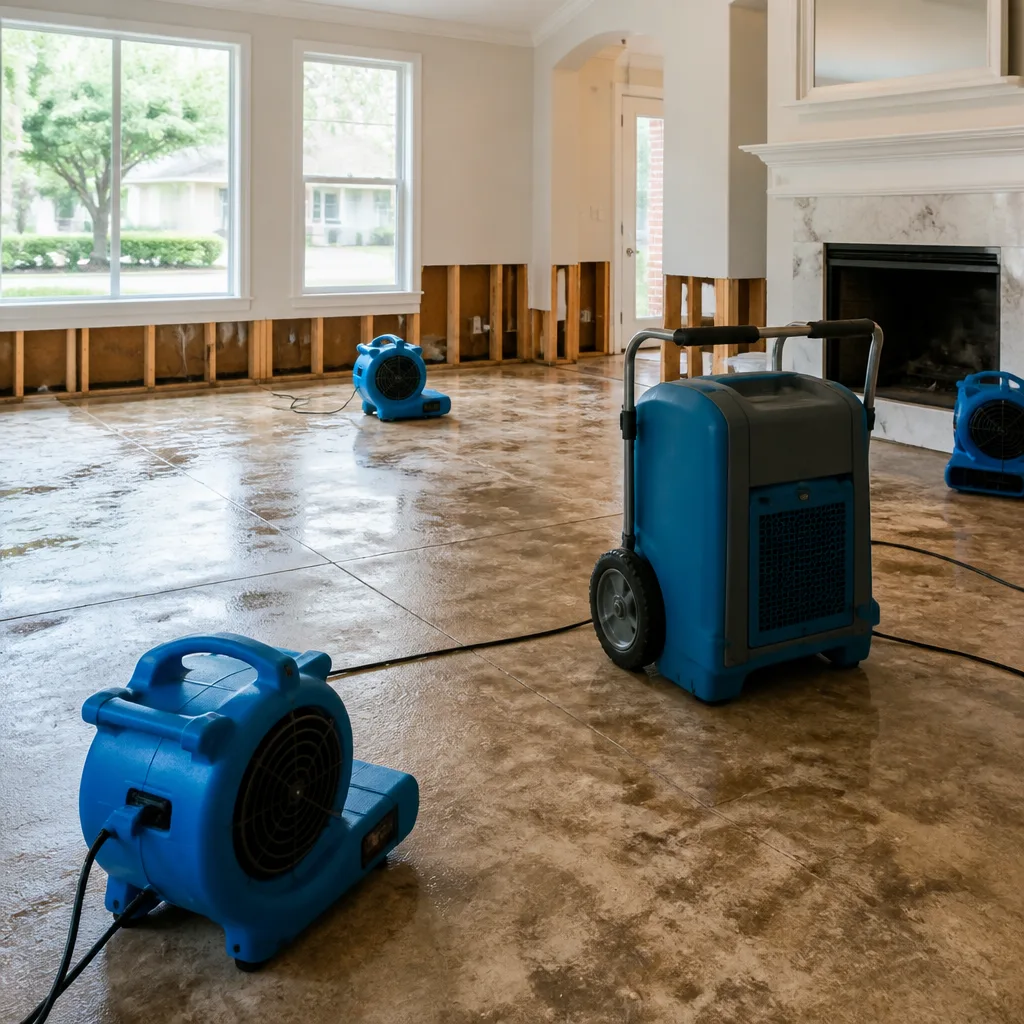 Water damage drying
 Fire & smoke cleanup
 Mold remediation
 Storm response
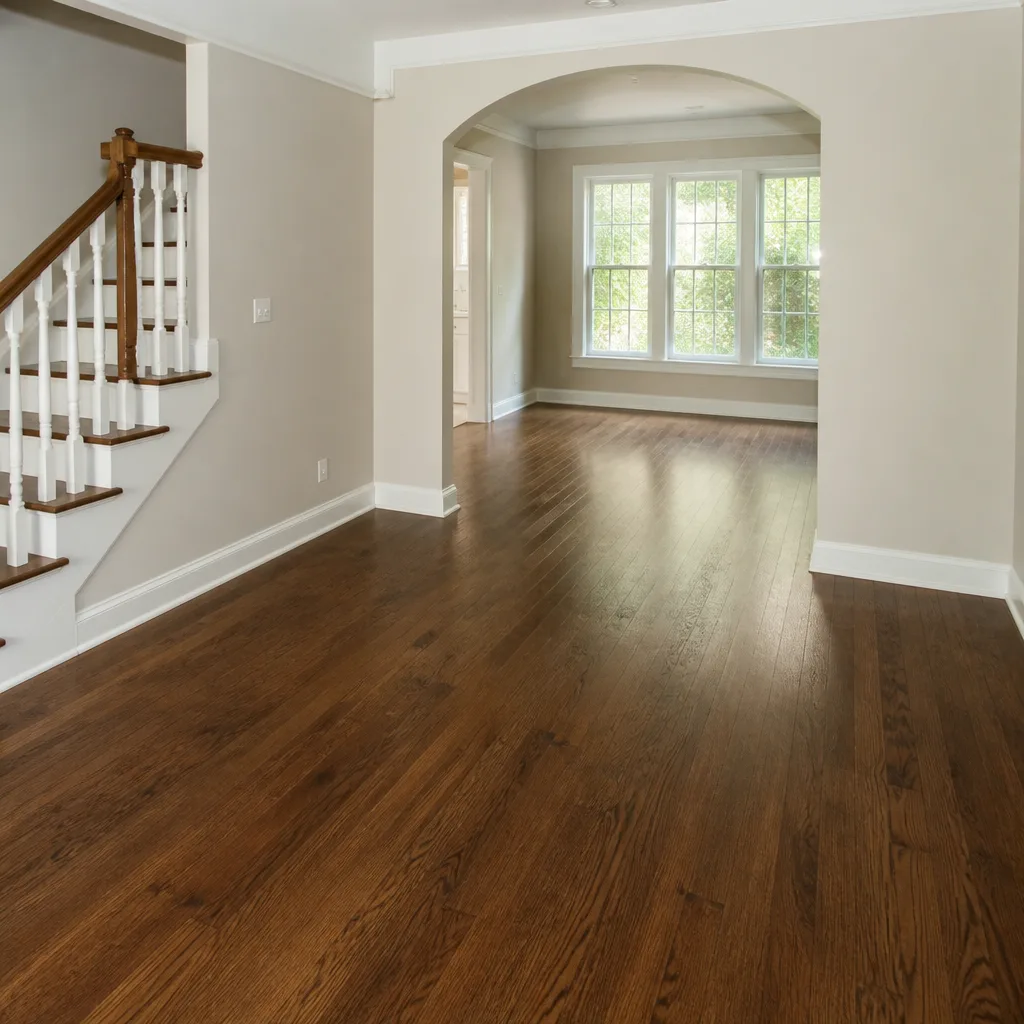 Sewage cleanup
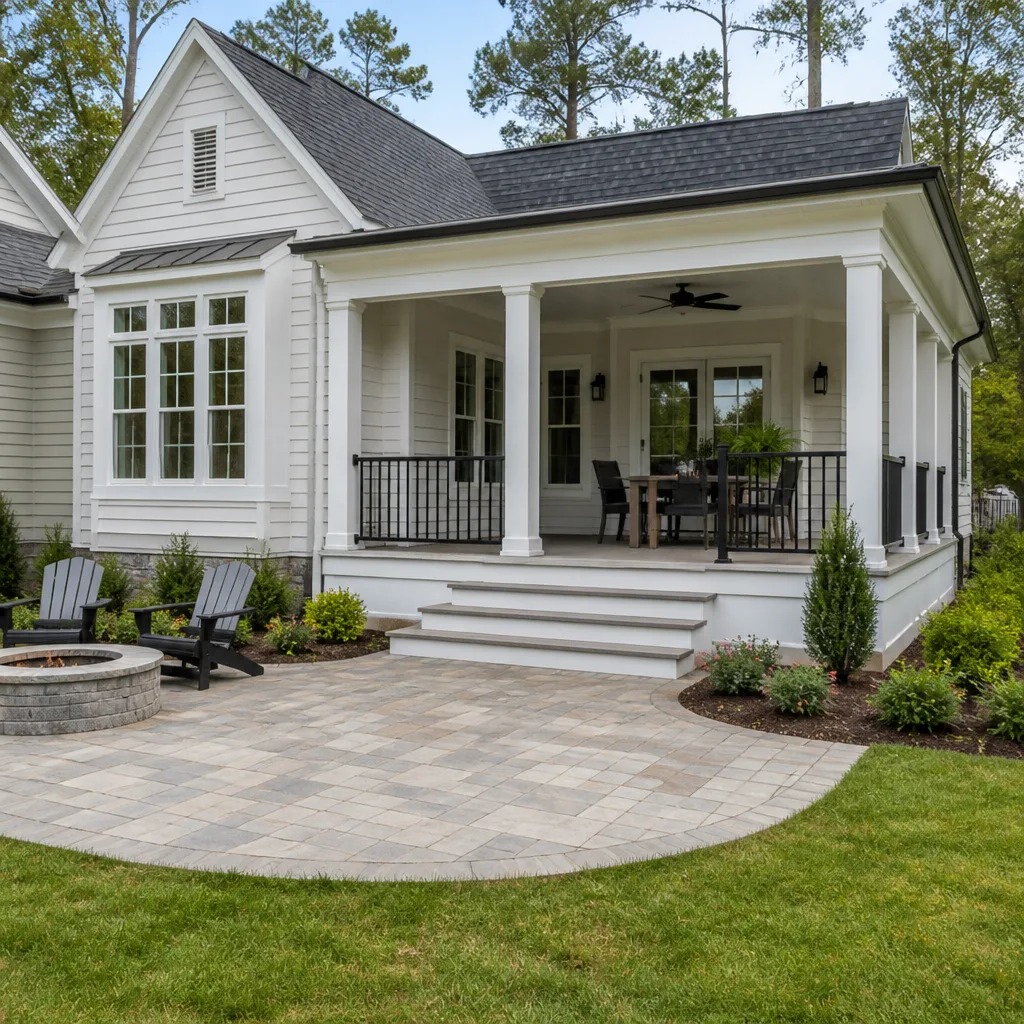 Reconstruction
Free visual inspection and a written scope of work before any mitigation begins - photos, moisture readings, and drying logs go in your claim file
The scope we write is the scope we bill. Anything new gets shown to you, in writing, before we touch it.
Get your free estimateDamage Restoration Cost Breakdown: The Los Angeles Homeowner’s Reference for 2026
Here’s a number most Los Angeles homeowners never hear until it’s too late: the average water damage claim in Southern California now runs between $9,000 and $14,000, but the out-of-pocket repair for the exact same damage can be done for $4,000 to $7,000 when you understand which line items are inflating the estimate. That gap, the difference between what an insurer pays and what the work actually costs, is the hidden cost of not knowing what you’re looking at. This guide breaks down the real 2026 cost structure for water, mold, and fire restoration in Los Angeles, line item by line item, so you can evaluate an estimate instead of just accepting it. For Damage Restoration Warning Signs: A Los Angeles Homeowner’s Reference Guide on spotting trouble early, see our companion resource. We’ll show you what legitimate contractors charge per square foot, which costs vary and which shouldn’t, and how to decide whether filing a claim actually makes financial sense for your specific situation.
Restoration work we handle
Quick Answer
Water damage restoration in Los Angeles costs between $3.75 and $7.50 per square foot of affected area in 2026, with most mid-size jobs (200 – 500 sq ft) landing between $4,500 and $9,800 total. Mold remediation runs $2,000 to $6,500 for typical contained spaces, while fire and smoke restoration ranges from $8,000 to $35,000 depending on square footage and soot penetration. The deciding factor on any estimate isn’t the headline number – it’s which line items are included, because lowball bids almost always omit containment, clearance testing, and debris hauling (worth $800 – $2,500 combined).
Table of Contents
- Water Extraction and Drying: Actual Per-Square-Foot Costs in LA
- Mold Remediation Cost by Affected Area: What LA Contractors Actually Charge
- Structural Replacement: Drywall, Flooring, and Baseboard Line Items
- Content Restoration and Pack-Out Costs: When It’s Worth It
- The Claim-vs-Pay-Out-of-Pocket Math for LA Homeowners
- Which Estimate Line Items Should Be Consistent – and Which Signal Inflation
- Hidden Cost Categories: What Legitimate Estimates Include and Lowball Bids Omit
- What a Written Price Before Work Begins Actually Protects You From
- Common Mistakes to Avoid
- When to Call a Professional
- Frequently Asked Questions
- The Bottom Line
Water Extraction and Drying: Actual Per-Square-Foot Costs in LA
For a standard Category 1 water loss (clean water from a supply line or appliance), Los Angeles contractors charge between $3.75 and $7.50 per square foot of affected area in 2026. That range covers water extraction, equipment setup, daily monitoring, and the drying period itself, which in LA’s climate typically runs 3 to 5 days. A 300-square-foot kitchen flood with clean water will usually total $1,800 to $3,200 for the drying phase alone. Category 2 losses (gray water from washing machines or dishwashers) push the range to $5.00 – $9.00 per square foot because they require antimicrobial treatment and more aggressive drying protocols. Category 3 losses (sewage or flood water) start at $7.50 per square foot and can exceed $12.00.
What drives the variance? Three things: the affected square footage, the type of flooring, and how long the water sat before a crew arrived. In our experience across Los Angeles neighborhoods, tile and concrete dry faster and cost less to restore than hardwood or carpet over wood subfloor. Hardwood often can’t be dried in place at all once it cups or buckles, which pushes you into structural replacement territory. The equipment used matters too. Professional-grade systems like Dri-Eaz dehumidifiers and Phoenix axial air movers move dramatically more air than rental units from a hardware store, which shortens dry time and reduces the total days of equipment rental you’re paying for. See our DIY vs Professional Damage Restoration: The Los Angeles Homeowner’s Decision Guide for a full comparison.
Here’s a breakdown of what the drying phase line items look like on a legitimate estimate:
- Emergency response and water extraction: $400 – $900 flat fee for a same-day crew, including truck-mounted extraction equipment
- Containment and floor protection: $0.75 – $1.50 per linear foot of containment barrier
- Equipment setup and monitoring: $250 – $500 per day for commercial dehumidifiers and air movers, typically 3 – 5 days
- Moisture mapping and documentation: $150 – $350 for thermal imaging and moisture meter readings
- Antimicrobial application: $0.50 – $1.25 per square foot (Category 2 and 3 only)
Drying is not a set-it-and-forget-it process. Technicians use psychrometric readings, the measurement of moisture in air and materials, to verify that relative humidity (RH) levels have returned to normal before equipment comes out. If a contractor pulls equipment on day 2 because they booked another job, the moisture that stays trapped in wall cavities becomes mold within 48 to 72 hours. That’s why monitoring visits matter. When you’re comparing Water Damage Restoration in Los Angeles estimates, check for a line item that covers at least two monitoring visits, not just the initial setup.
Mold Remediation Cost by Affected Area: What LA Contractors Actually Charge
Mold remediation in Los Angeles costs between $2,000 and $6,500 for a contained area up to 300 square feet, which covers the vast majority of residential cases. Larger infestations spanning multiple rooms or whole crawlspaces run $8,000 to $15,000 or more. The per-square-foot price of $18 to $28 for remediation work is higher than water extraction because the process includes containment setup, negative air pressure, HEPA vacuuming, antimicrobial treatment, and often partial drywall removal. It’s not just cleaning; it’s engineering an environment where mold spores can’t escape into the rest of the house.
Los Angeles presents a specific mold dynamic that coastal and hillside homeowners know well: morning marine layer humidity combined with older construction. Homes in neighborhoods like Silver Lake, Eagle Rock, and the Westside built before 1980 often lack modern vapor barriers, which means wall cavities stay damp longer after a leak. We see recurring mold problems in bathroom walls of 1920s and 1930s Spanish-style homes where original plaster was never properly dried after a supply line leak.
A legitimate mold remediation estimate should include these line items, and you should question any bid that omits them:
- Containment and negative air pressure setup: $800 – $1,800 for poly sheeting barriers and HEPA-filtered air scrubbers. This is non-negotiable; without it, disturbing mold colonies spreads spores through the home.
- Mold removal and demolition: $8 – $15 per square foot of affected drywall, plaster, or insulation removal
- HEPA vacuuming and surface cleaning: $1.50 – $3.00 per square foot of treated surface area
- Antimicrobial fogging or encapsulation: $0.75 – $2.00 per square foot
- Clearance testing by an independent lab: $450 – $900 for post-remediation air and surface samples
The clearance testing line item is where we see the most consumer misunderstandings. A legitimate Mold Remediation in Los Angeles project includes independent lab confirmation that spore counts have returned to normal background levels. Some contractors skip it to make their bid look cheaper, then hand over a space that still has live mold behind the baseboards. Without clearance testing, you have no proof the job worked, and no recourse if symptoms return in six months. For the full breakdown of what the remediation process involves from containment through clearance, our mold remediation guide covers the IICRC S520 protocol in detail.
Structural Replacement: Drywall, Flooring, and Baseboard Line Items
Once materials are saturated or contaminated, drying stops being the answer and replacement begins. Structural replacement costs in Los Angeles run $25 to $45 per square foot for drywall replacement including labor, materials, texture matching, and paint. That’s $5 to $9 per square foot in materials, with the balance going to LA labor rates, which have risen about 8% since 2023 due to construction demand. Hardwood flooring replacement averages $12 to $25 per square foot installed, tile runs $8 to $20, and luxury vinyl plank is the budget-conscious choice at $5 to $9 per square foot.
The line items that surprise homeowners are rarely the big ones. They’re the small ones that add up fast:
- Trim and baseboard replacement: $4 – $8 per linear foot, and an average LA living room has 80 – 120 linear feet of baseboard
- Insulation removal and replacement: $2 – $4 per square foot for batt insulation in affected wall cavities
- Texture matching: $300 – $800 per room for orange peel, knockdown, or smooth finish matching. This is an art in older LA homes where 1940s plaster textures aren’t reproduced by modern machines.
- Paint sealing and priming: $1.50 – $3.00 per square foot including stain-blocking primer on water-stained surfaces
- Subfloor replacement: $3 – $7 per square foot when plywood or OSB has delaminated from saturation
One fact that helps Los Angeles homeowners evaluate estimates: material costs are fairly uniform across the city, but labor varies by neighborhood. Contractors operating in Brentwood, Pacific Palisades, or Manhattan Beach typically charge 10 to 20% more than crews working in the Valley or South LA, not because the work is different but because their overhead is. A written estimate that breaks out materials from labor makes this visible. If a contractor can’t or won’t separate the categories, that’s a warning sign, not a convenience.
Content Restoration and Pack-Out Costs: When It’s Worth It
Content restoration, the cleaning and restoration of furniture, rugs, clothing, documents, and personal items, is the most overlooked line item in damage restoration, and in Los Angeles it’s often the one that determines whether you actually feel whole after a loss. Pack-out services, where a restoration company inventories, boxes, and moves your contents to a climate-controlled facility for cleaning, cost $3,000 to $8,000 for a typical 3-bedroom home. On-site content cleaning without removal runs $1,500 to $4,000.
Is it worth it? The math depends on what you own. A 3-bedroom home in Los Angeles typically holds $40,000 to $80,000 in personal contents. If half of that is affected, you’re deciding between a $3,000 – $8,000 restoration bill and a $20,000 – $40,000 replacement bill. For furniture, electronics, books, and artwork, restoration costs 20 to 30% of replacement cost on average. The exception is porous items like mattresses and particleboard furniture, which usually aren’t worth restoring at any price.
Here’s what content restoration actually involves, step by step:
- Inventory and documentation: Photographic documentation of every item, its condition, and its location. This matters for insurance; a photo-documented inventory is the strongest evidence you can provide an adjuster.
- Sorting by restoration category: Salvageable, restorable with specialized treatment, and non-restorable items separated for disposal
- Specialized cleaning by material type: Ultrasonic cleaning for hard non-porous items, freeze-drying for water-damaged documents, ozone or hydroxyl treatment for smoke-damaged textiles
- Deodorization and resurfacing: Commercial ozone chambers or hydroxyl generators for smoke odor, then refinishing for wood furniture
- Repack and return: Items returned to the home in inventoried, labeled boxes with updated condition documentation
For fire damage, content restoration is almost always part of the job because replacing everything is financially catastrophic. Smoke residue on clothing, books, kitchenware, and upholstery accounts for a significant portion of a typical Fire Damage Restoration in Los Angeles claim. The pack-out process also buys time: while contents are off-site being cleaned, structural work can proceed without furniture in the way, which actually speeds up the rebuild phase.
The Claim-vs-Pay-Out-of-Pocket Math for LA Homeowners
The decision to file a homeowners insurance claim or pay out of pocket comes down to one calculation: does the total job cost exceed your deductible by enough to justify the premium increase you’ll face for the next 3 to 5 years? In Los Angeles, the average homeowners insurance deductible is $1,000 to $2,500, and filing a water damage claim typically increases your annual premium by 7 to 20% for the next three to five years. On a $3,000 annual premium, that’s $210 to $600 per year in increased cost, or $630 to $3,000 over the claim’s rating period.
Here’s the worked example that makes this clear. Say you have a $1,500 deductible and a $6,000 water damage job. Your insurer pays $4,500, but your premium rises 15% ($450 per year) on a $3,000 policy for five years. That’s $2,250 in premium increases, plus your $1,500 deductible, meaning the claim effectively costs you $3,750. The $4,500 payout net gain is only $750, and that’s if everything goes smoothly with the adjuster. That’s a thin margin for a claim that now sits on your CLUE report, making you less attractive to future insurers.
The general rule we give Los Angeles homeowners, based on the insurance market’s current rating behavior in California:
- Job cost below $2,500: Almost always pay out of pocket. Filing a claim for anything near your deductible is a losing trade.
- Job cost $2,500 – $8,000: This is the gray zone. Calculate the premium impact for your specific policy, then compare. Many LA homeowners find that jobs under $5,000 are cheaper to self-fund.
- Job cost above $8,000: File the claim. At this level, the premium impact is outweighed by the payout in most scenarios.
- Any job involving Category 3 water, mold, or fire: File the claim regardless of cost. Category 3 and mold claims have long-tail liability: if you pay out of pocket for a remediation job and do it wrong, any future claim related to that damage can be denied because the prior work wasn’t professionally documented. Fire claims almost always exceed $10,000 when structural work and content restoration are included.
One California-specific factor to understand, and one covered in our Damage Restoration Permits, Codes & Inspections in CA: What You Need to Know resource: after the major wildfire seasons of 2018 – 2021, insurers pulled back significantly from the state. Some carriers stopped writing new policies, and many raised premiums across the board, not just for fire-prone areas. The California FAIR Plan, the insurer of last resort, has expanded dramatically. This means the premium impact of a claim can be higher in Los Angeles than it would be in other states, because the market is already stressed. If you’re not sure which way to go, get a written estimate first, then call your agent with the number in hand. You can’t make the claim-or-not call without a real price in front of you.
Which Estimate Line Items Should Be Consistent – and Which Signal Inflation
Not every line item on a restoration estimate is a legitimate variable. Some costs should be nearly identical across all qualified bids, and when they’re inflated, that’s a signal. Other costs legitimately vary based on job specifics, and a wide spread there isn’t automatically a red flag. Knowing which is which is the difference between accepting a fair price and being taken.
Line items that should be consistent across legitimate bids:
- Containment and negative air pressure setup: This is an equipment and labor cost that doesn’t change much based on who’s doing the work. The poly sheeting, HEPA air scrubbers, and tape used are commodity materials. A spread of more than 25% between bids on this line suggests someone is padding.
- Clearance testing: Independent lab fees are set by the lab. If one bid lists $450 for clearance testing and another lists $1,100, someone is marking up a third-party fee, which is a trust problem.
- Permit fees: When structural work requires permits (common in Los Angeles for any work that changes framing, electrical, or plumbing), the city sets the fee. Markups on permit fees are a classic inflation tactic.
- Dump fees and debris hauling: Landfill tipping fees in LA County are fixed. A spread here usually reflects how much waste the contractor thinks they’ll generate, not a legitimate cost difference.
Line items that legitimately vary:
- Labor hours: A crew that’s IICRC-certified and uses documented drying protocols will charge more per hour than a handyman with a wet vac. You’re paying for skill and process, not just time.
- Equipment quality and quantity: The number of air movers and dehumidifiers placed matters. More equipment dries faster. A contractor using Injectidry systems for in-place hardwood drying charges more than one who just tears the floor out, but the Injectidry route can save the floor entirely.
- Material selections: Paint grade, flooring type, trim profile, and texture match complexity all change the final number. This is the part of the estimate you control.
- Supervision and project management: Some companies include a PM line item of 10 – 15% of the job. It’s legitimate if it means someone is coordinating subs, scheduling inspections, and documenting for insurance. It’s padding if the PM never shows up.
The single most useful thing you can do: get three written estimates and compare them line by line, not bottom line to bottom line. When one bid is 40% lower than the other two, the savings are almost always in the missing line items, not in genuine efficiency. That difference is exactly what a written price from us is designed to eliminate.
Hidden Cost Categories: What Legitimate Estimates Include and Lowball Bids Omit
Here’s the pattern we see in Los Angeles more than any other market: a homeowner gets three bids, picks the lowest one, work starts, and then the change orders start arriving. The final bill ends up 30 to 50% above the original estimate, and by then the homeowner is committed. The missing costs that drive those change orders are predictable. Here are the categories that legitimate estimates include up front and lowball bids “discover” later:
- Containment and negative air pressure: $800 – $1,800 for mold or Category 3 work, as covered above. Any bid that doesn’t include this for mold remediation is either planning to cut corners on safety or planning to add it as a change order.
- Post-remediation clearance testing: $450 – $900 for independent verification. This is the proof the job worked. Lowball bids omit it because they’d rather you not have that proof.
- Permit fees and inspection coordination: In Los Angeles, structural changes to framing, electrical, or plumbing require permits from LA Department of Building and Safety. Fees for a typical restoration project run $300 – $1,500 depending on scope. Unpermitted work gets flagged when you sell the house.
- Dump fees and debris hauling: $200 – $600 for a typical restoration job’s worth of demolished drywall, flooring, and insulation. LA County landfill fees have risen steadily, and some transfer stations now charge by weight rather than volume.
- Moisture mapping and documentation: $150 – $350 for initial moisture assessment with thermal imaging. Without this, the contractor doesn’t actually know where the water went, which means they’re guessing at the scope.
- Final cleaning and HEPA vacuuming: $200 – $500 for construction dust and debris removal. If a contractor’s bid doesn’t include leaving the job site clean, they don’t plan to.
When you see all of these items in a written estimate, you’re looking at a contractor who has done this before and knows what the job actually requires. When they’re missing, the low number isn’t a deal. It’s an opening bid in what will become a series of escalating costs. Our commitment at Dryden Restoration Los Angeles home has always been to price the entire job before a tool is touched. The Kingswell Guarantee is our written commitment that The Kingswell Way applies to every project: say the price before the work, show up in the window we gave, leave the place cleaner than we found it, put the guarantee in writing, and come back if it fails.
What a Written Price Before Work Begins Actually Protects You From
The most common complaint in the restoration industry, and the one we hear most often in Los Angeles, isn’t about quality. It’s about the price changing after the work started. A written price before work begins isn’t just a nice-to-have. It’s the single most important consumer protection in this industry, because it changes the contractor’s incentives.
When a contractor works hourly or on a time-and-materials basis, every additional day of drying, every extra piece of drywall replaced, and every additional piece of equipment rented increases their revenue. The incentive structure rewards scope creep. A written fixed price before work starts flips that dynamic. The contractor now has an incentive to work efficiently, to dry the space as quickly as possible rather than letting equipment run for weeks, and to identify the full scope up front rather than discovering it mid-job.
Here’s what we include in every written price, and why each element matters:
- Full scope of work, line by line: Every category of work is listed, with quantities where applicable. You can see exactly what you’re paying for and compare it to other bids item by item.
- Materials and equipment specified: The written estimate names the equipment to be used (Dri-Eaz dehumidifiers, Phoenix air movers, Injectidry floor drying systems where appropriate), not just “drying equipment.” This prevents a contractor from showing up with homeowner-grade fans and charging commercial rates.
- Duration and monitoring schedule: A written plan for how many days equipment runs, how often monitoring visits occur, and what triggers equipment removal. This prevents the “equipment rental that never ends” problem.
- The 365-Day Done Right Promise in writing: If any covered repair fails within a full year, we return and correct it at no charge. Not as a courtesy. As a written obligation on every job.
- No change orders without your signature: If something truly unexpected is discovered, the change order process is documented and requires your approval before additional work proceeds. You’re never presented with a bill for work you didn’t authorize.
The 365-Day Done Right Promise is the part most homeowners tell us gives them the confidence to move forward. Most restoration warranties are 30 or 90 days, which is often not enough time for a latent problem to show up. Water that wasn’t fully dried inside a wall cavity in February might not bloom into visible mold until the marine layer settles in over the summer. By the time the problem is visible, the warranty is long gone. A full year covers that failure mode, and the free return visit is what makes the guarantee real rather than promotional.
Common Mistakes to Avoid
- Filing a claim before getting a written estimate: Many Los Angeles homeowners call their insurer first, then discover the out-of-pocket repair was under $3,000. Once a claim is filed, even if nothing is paid out, it sits on your record. Get the estimate first, then make the claim decision.
- Picking the lowest bid without reading the line items: As covered in the hidden costs section, the low bid is usually low because it’s missing things. You’ll pay for those things later, and you’ll pay more because you’ve lost leverage.
- Starting demolition before the insurance adjuster sees it: If you rip out drywall and flooring before the adjuster documents the damage, you can lose coverage for those materials because the insurer couldn’t verify the damage. Document everything with photos, contact the adjuster, and wait for their inspection before destroying evidence.
- Drying only the visible area: Water travels. A leak in an upstairs bathroom can saturate joist cavities, travel along ductwork, and pool in a wall on the other side of the house. Moisture mapping with thermal imaging finds what you can’t see. Skipping it saves a few hundred dollars up front and costs thousands in the mold remediation that follows.
- Accepting a verbal price over a written one: If it’s not in writing, it doesn’t exist. A contractor who won’t commit a price to writing before work starts is telling you who they are. Listen.
- Using a general contractor for specialized restoration work: A GC who remodels kitchens is not necessarily qualified to handle Category 3 water or mold remediation. The protocols are different, the equipment is specialized, and the liability is higher. Use a company that does restoration full-time and works to IICRC standards.
- Ignoring clearance testing after mold remediation: The job isn’t done because the contractor says it’s done. It’s done when an independent lab confirms that spore counts are within normal background range. Skipping the clearance test means gambling your family’s respiratory health on a contractor’s word.
When to Call a Professional
Some restoration work can be handled by a competent homeowner with time and the right equipment. But the categories below are where you should stop and call someone who does this full-time. Water that has been standing for more than 48 hours, any Category 3 (sewage) loss, water in contact with electrical, any visible mold larger than 10 square feet, and any fire that reached the structural framing are all situations where the risk of doing it wrong far exceeds the cost of doing it right. Mold in Los Angeles wall cavities from slow leaks is especially dangerous to DIY, because the visible surface mold is usually a fraction of what’s behind the drywall. Dryden Restoration Los Angeles offers free estimates in Los Angeles – call (213) 423-6383 and a live person answers, 24 hours a day, 7 days a week, not a voicemail and not a call-back queue.
Frequently Asked Questions
In 2026, water damage restoration in Los Angeles runs $3.75 to $7.50 per square foot for Category 1 clean water, $5.00 to $9.00 per square foot for Category 2 gray water, and $7.50 to $12.00+ per square foot for Category 3 sewage or flood water. The range depends on flooring type, how long the water sat, and how much of the affected area requires structural replacement rather than drying in place. Call (213) 423-6383 for an exact quote on your specific situation – estimates are free.
Most Los Angeles homeowners insurance policies cover water damage from sudden and accidental events like a burst supply line or appliance overflow, but exclude damage from gradual leaks, poor maintenance, or flooding (which requires separate flood insurance). The question isn’t just whether it’s covered; it’s whether filing the claim makes financial sense after your deductible and the multi-year premium increase. For jobs under $5,000, paying out of pocket often costs less than the claim’s long-term impact. The covered amount depends on your policy’s specific terms, so review your policy and get a written estimate before deciding.
In Los Angeles, a legitimate restoration company should be able to have a crew on site within 2 to 4 hours of your call for emergency water damage. Every hour matters because mold begins developing within 48 hours in LA’s climate, and saturated drywall and hardwood become progressively harder to save the longer they stay wet. A live person answering the phone at 2 a.m. is the first signal that a company actually runs emergency response rather than just advertising it.
For mold, the distinction between “cleaning” and “remediation” comes down to extent: mold covering more than 10 square feet, mold hidden inside wall cavities, or mold in HVAC systems requires remediation because surface cleaning can’t reach the colony and can’t prevent spores from spreading. For water damage, drying is sufficient when materials are structurally sound and Category 1 water was addressed within 48 hours; anything beyond that requires either replacement or aggressive drying with documented moisture mapping.
A full-service restoration company should handle direct communication with your adjuster, including photo documentation, scope-of-work reports, and billing. Look for a company that uses photo-documented assessments and provides your insurer with a detailed written scope, which streamlines the claims process and prevents disputes about what was actually done. You should never feel like you’re the middleman between your contractor and your insurer.
The 365-Day Done Right Promise is a written guarantee that covers every repair work we perform for a full year: if any covered repair fails within 365 days, we return and correct it at no charge. It applies to our restoration work in Los Angeles and is documented on every job, not offered as a verbal assurance. The free return visit is what makes the difference between a warranty that’s real and one that’s just a line on a website.
The Bottom Line
Damage restoration in Los Angeles has a real, knowable cost structure in 2026: $3.75 to $7.50 per square foot for water extraction and drying, $18 to $28 per square foot for mold remediation of contained areas, and $25 to $45 per square foot for structural replacement. The difference between paying a fair price and being overcharged isn’t luck or negotiation skill; it’s knowing which line items should be there, which should be consistent across bids, and which hidden costs a lowball bid is deliberately omitting. Get a written estimate before you file a claim, compare line items rather than bottom lines, and work with a company that puts the price in writing before a tool is touched. The 365-Day Done Right Promise exists because restoration work should stand up to a full year of real living, not a 30-day window. That’s The Kingswell Way: say the price before the work, show up in the window. For more guides & resources on protecting your Los Angeles home, explore our blog.w we gave, leave the place cleaner than we found it, put it in writing, and come back if it fails.
Written by Carl Brandt, Owner at Dryden Restoration Los Angeles, serving Los Angeles since 2005.
See the difference
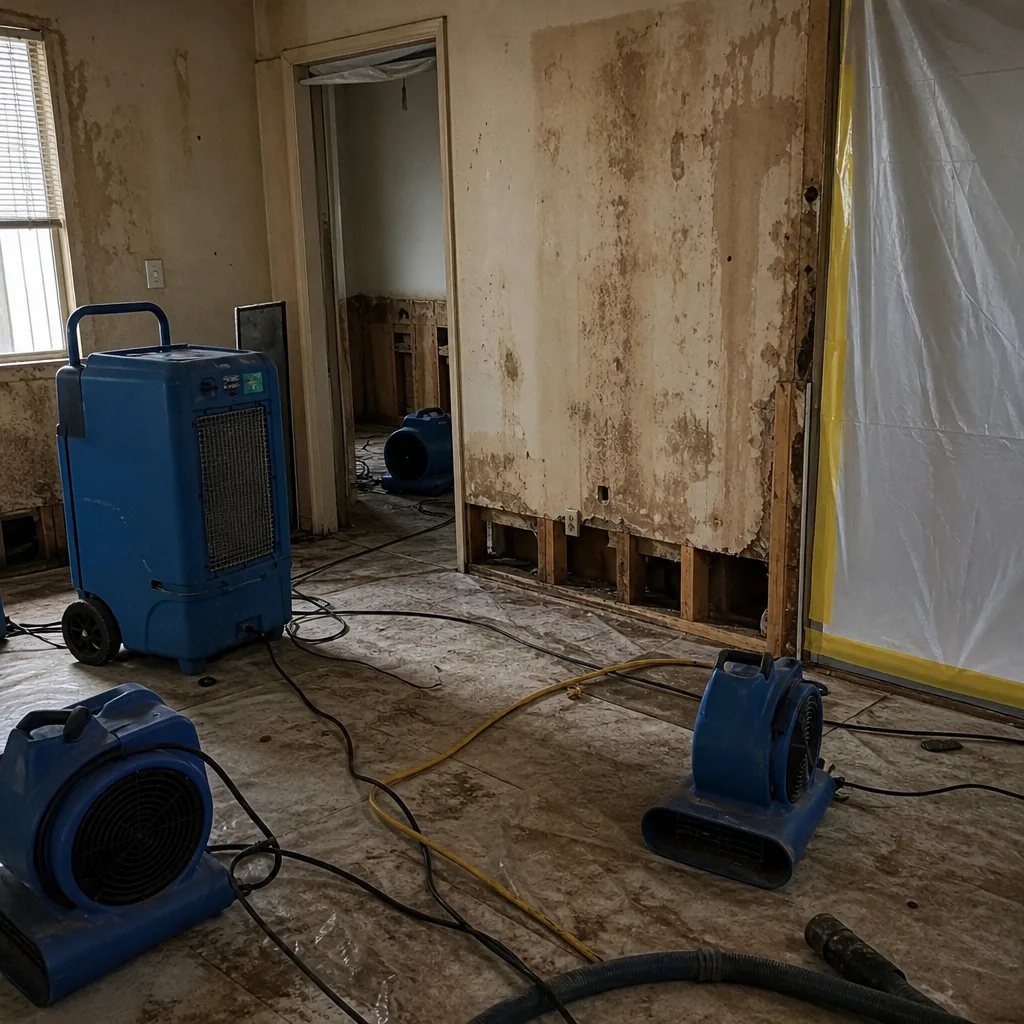 Before
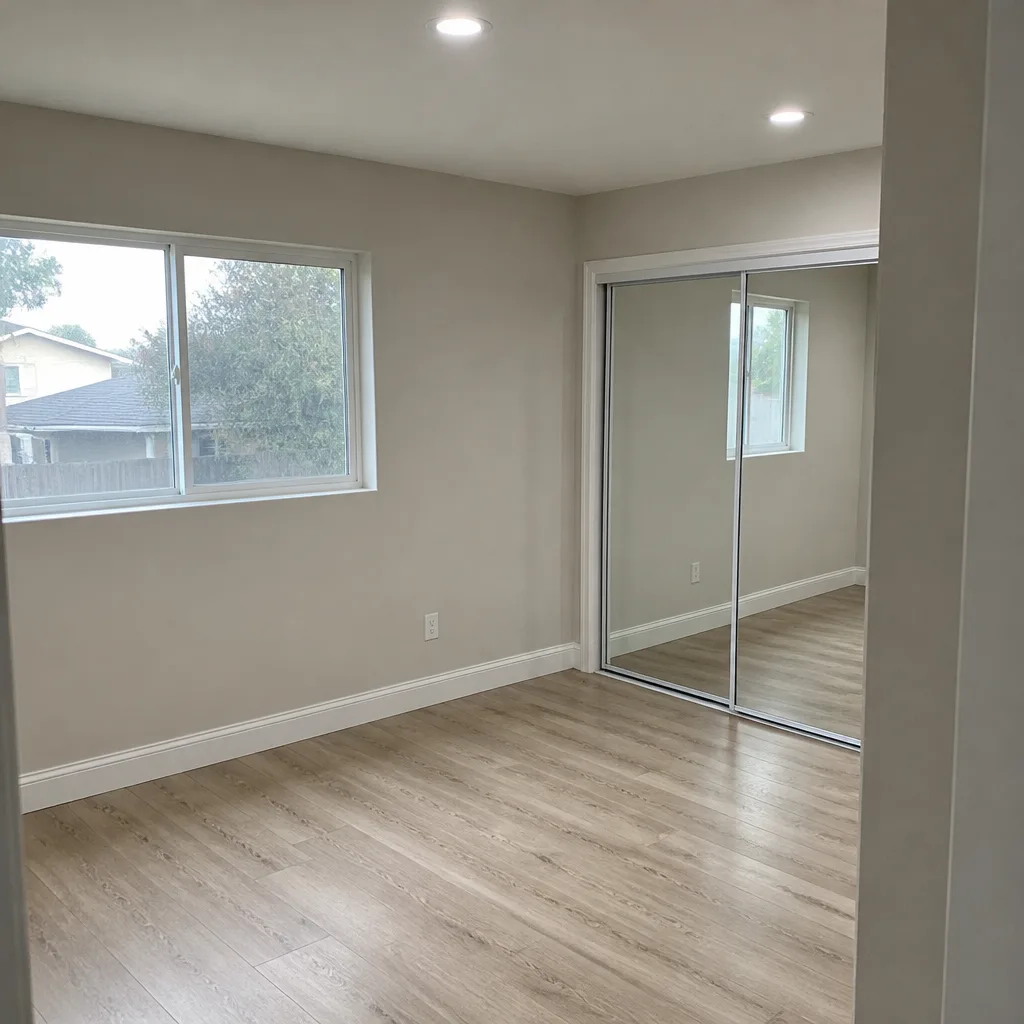 After
After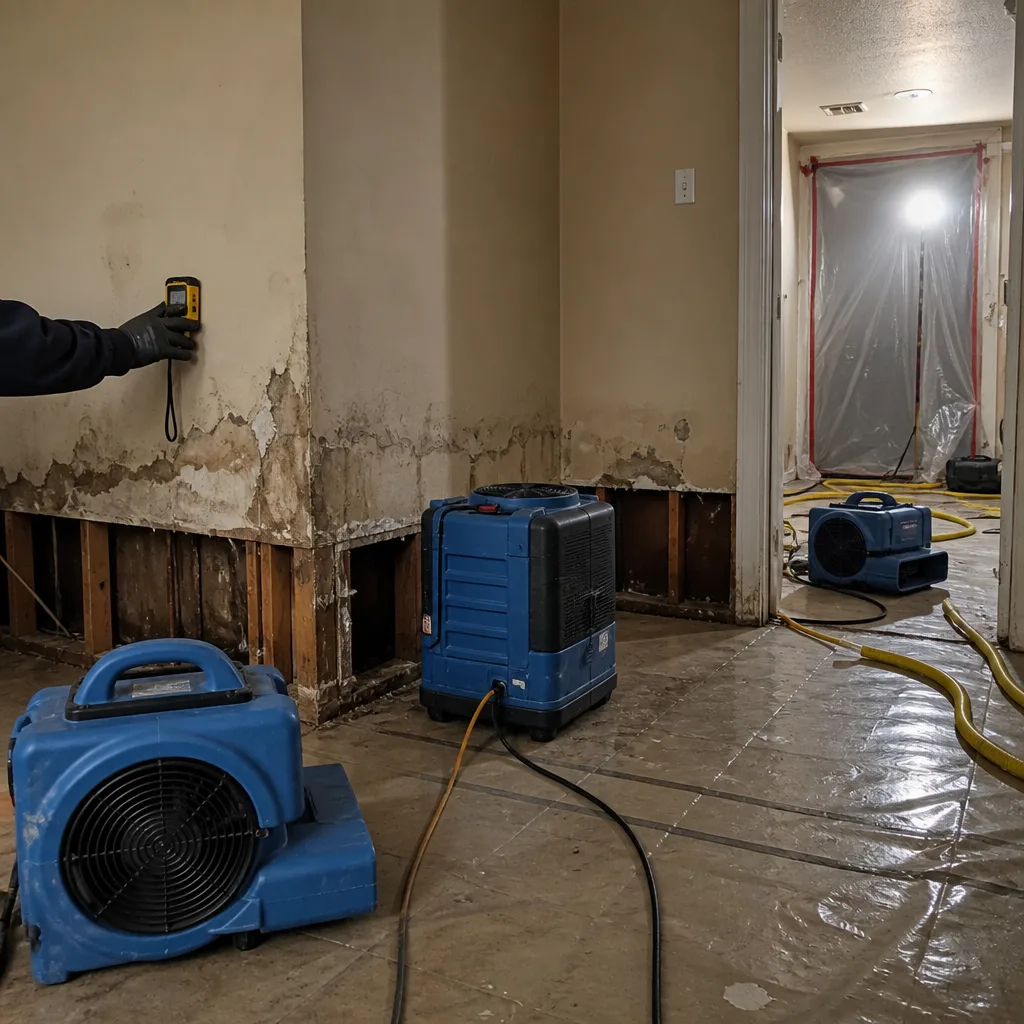 Before
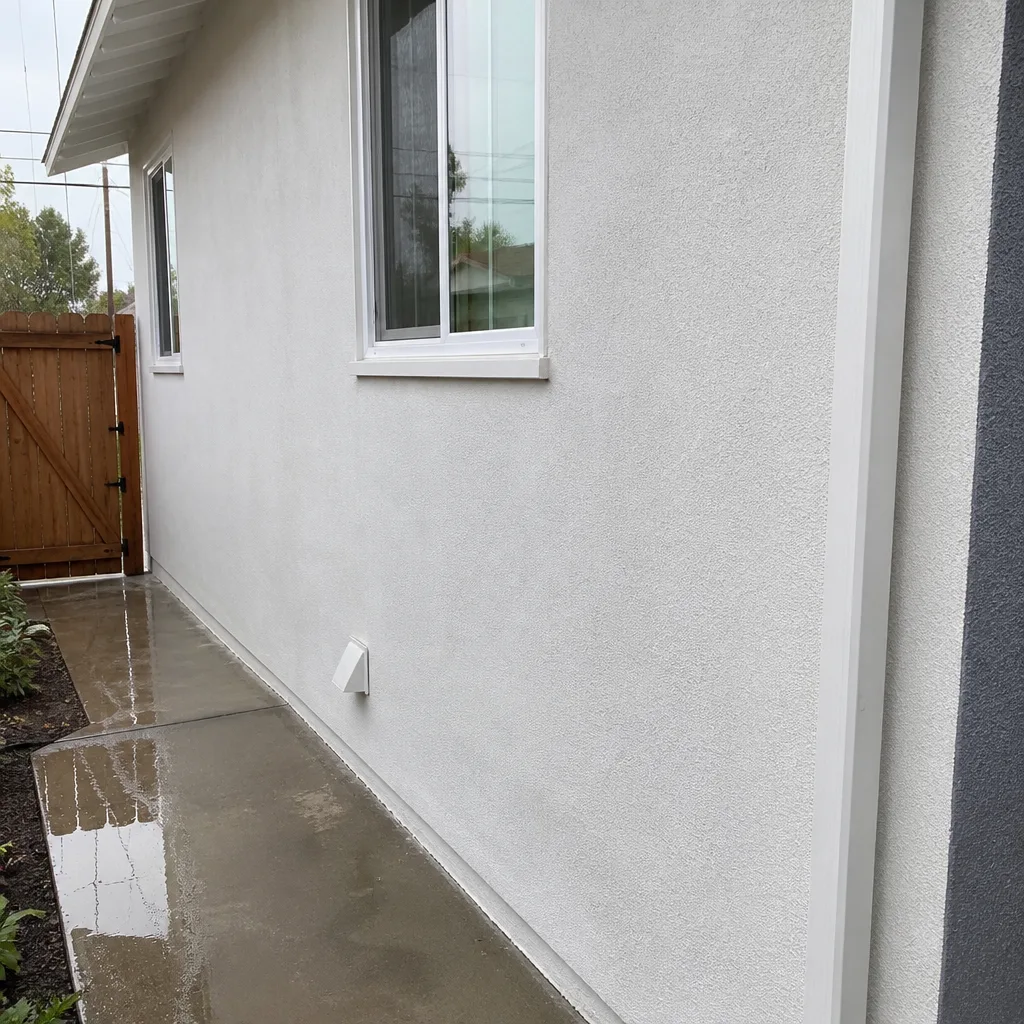 After
After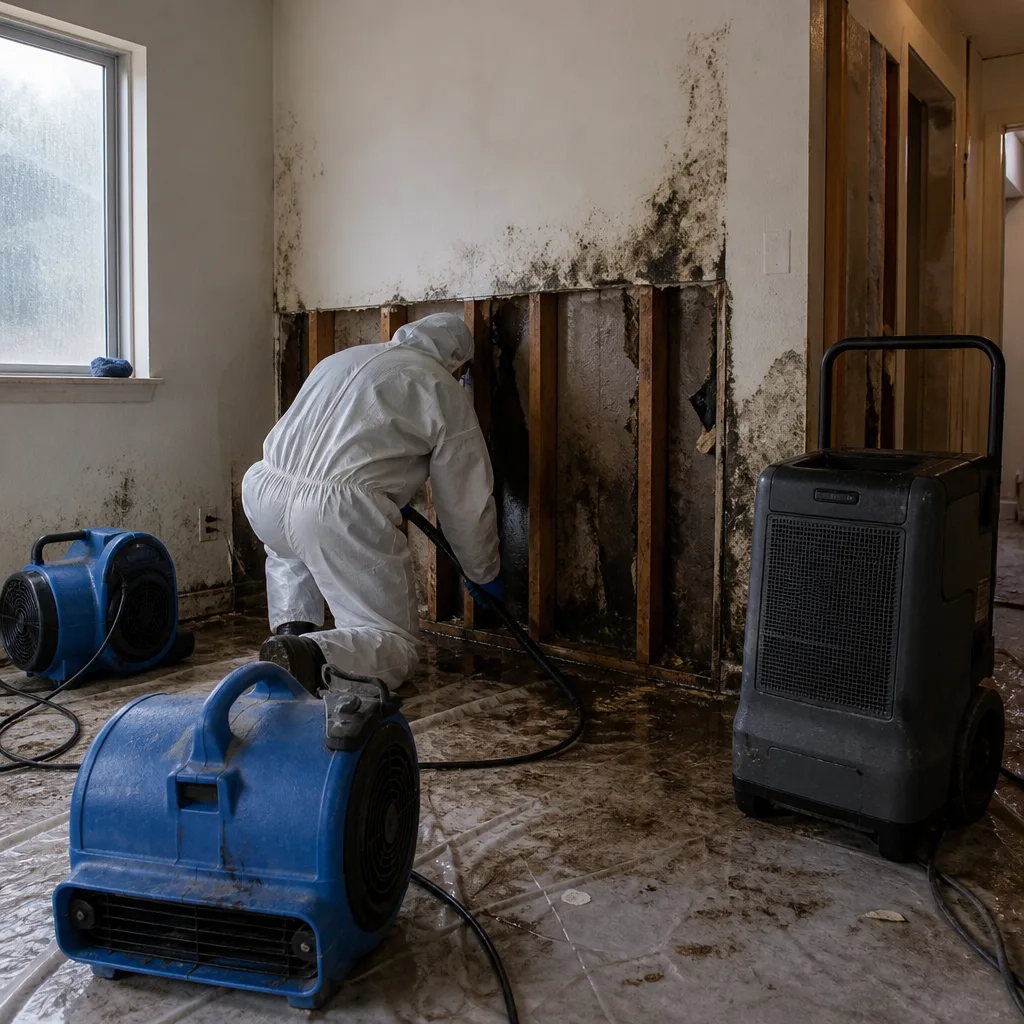 Before
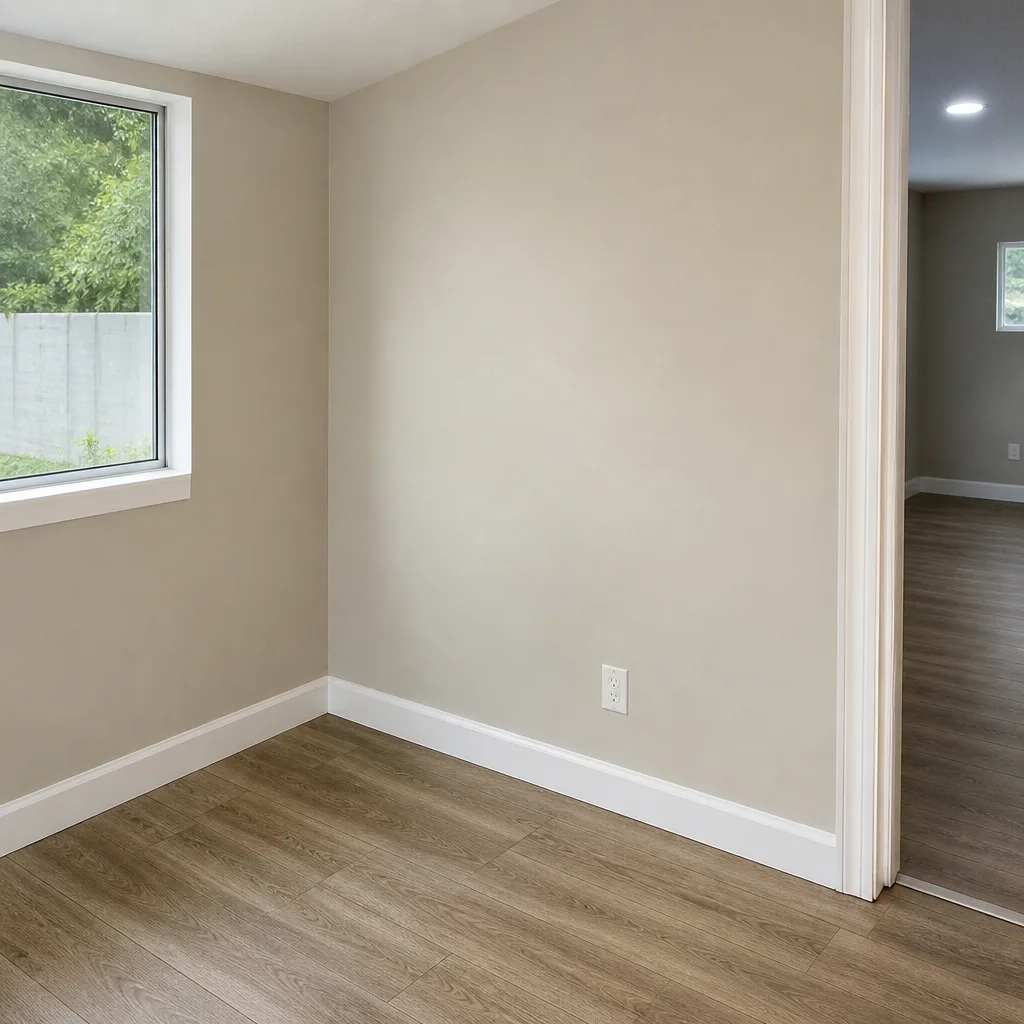 After
After