
Last updated October 16, 2026
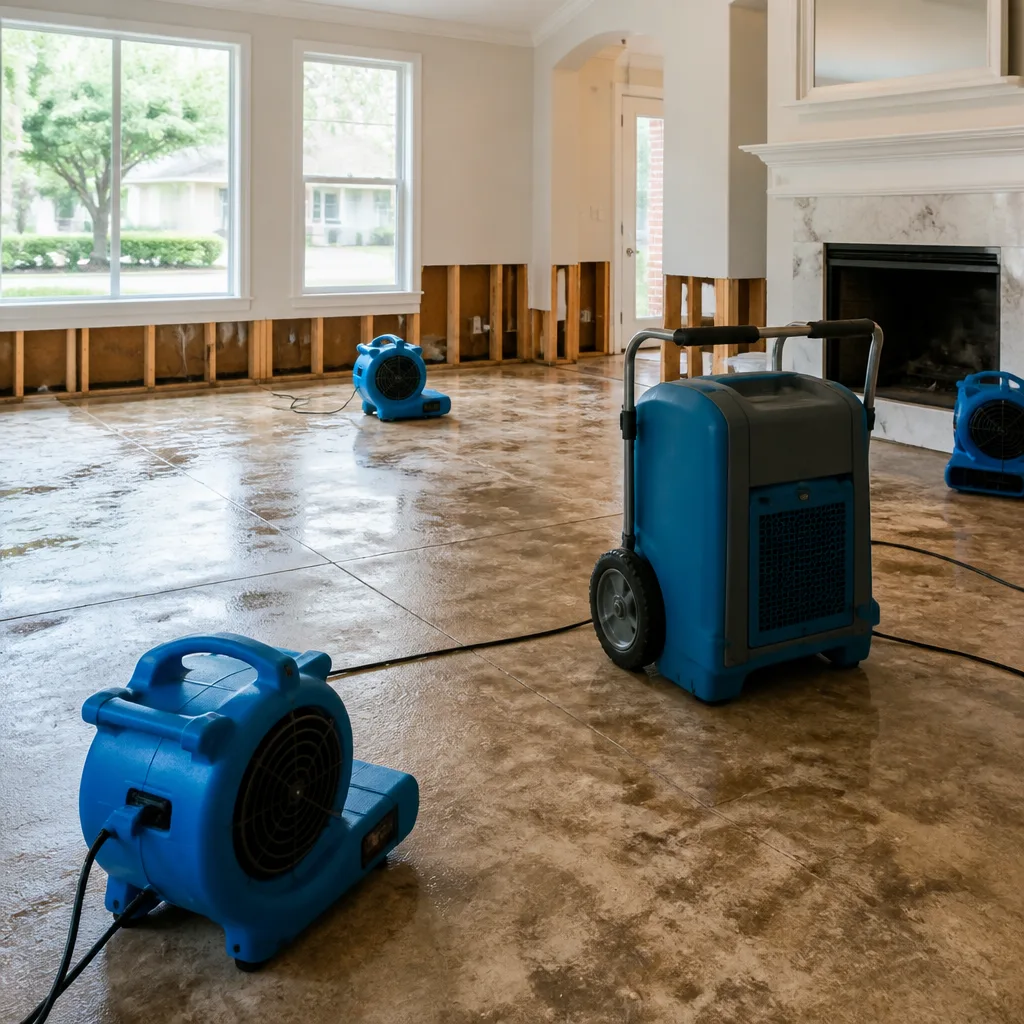 Water damage drying
 Fire & smoke cleanup
 Mold remediation
 Storm response
 Sewage cleanup
 Reconstruction
Free visual inspection and a written scope of work before any mitigation begins - photos, moisture readings, and drying logs go in your claim file
The scope we write is the scope we bill. Anything new gets shown to you, in writing, before we touch it.
Get your free estimateDamage Restoration Permits, Codes & Inspections in CA: What You Need to Know
A Los Angeles homeowner we spoke with let a contractor skip the permit on a post-flood drywall repair in 2021. Three years later, during escrow, the buyer’s inspector flagged the unpermitted work. The deal nearly collapsed over a $400 permit that should have been pulled in the first place. That story is not rare in Los Angeles. It is the rule. Most homeowners assume permits are the contractor’s problem. In California, that assumption can void insurance coverage on the repaired portion of your home and create a title problem you will not discover until you try to sell. This guide explains which restoration jobs legally require permits in California, how Los Angeles County and the City of Los Angeles differ, what a final inspection actually checks, and which emergency tasks you can legally do before paperwork is filed.
Quick Answer
In California, a permit is generally required for any restoration repair that alters structure, framing, electrical wiring, plumbing lines, or HVAC ducting. Cosmetic finishes like paint, trim, and flooring replacement typically do not require a permit. Emergency stabilization work, such as water extraction, board-up, and tarping, is legally exempt so you do not wait on paperwork before stopping active damage, though for larger projects you may want to consult our Damage Restoration Warning Signs: A Los Angeles Homeowner’s Reference Guide. The permitting authority in Los Angeles is the Department of Building and Safety (LADBS), and work done without a required permit can affect your insurance claims and future home sale.
Restoration work we handle
Table of Contents
- Who Is Legally Responsible for Pulling the Permit?
- When Restoration Work Triggers a Permit in California
- Los Angeles County vs. City of LA: Where the Rules Split
- How to Verify a Contractor Actually Pulled Your Permit
- What a Final Inspection Actually Checks After Water Damage Repairs
- Insurance Implications of Unpermitted Restoration Work
- Emergency Stabilization Work That Does Not Require a Permit
- Permit Costs and Timelines for Los Angeles Restoration Projects
Who Is Legally Responsible for Pulling the Permit?
Under California law, the property owner is the party ultimately responsible for ensuring required permits are obtained. That is not a gray area. The California Building Standards Code (Title 24) and the Los Angeles Municipal Code place the legal duty on the owner of record, even when a contractor handles the paperwork. You can delegate the task to your restoration contractor, but you cannot delegate the liability.
In practice, a licensed contractor will pull permits under their own name or the owner’s name. What matters is that the permit exists and is posted at the job site before covered work begins. If a contractor tells you a permit is not needed, and you are not certain, call the permitting office yourself. It takes ten minutes.
Here is what we have seen in Los Angeles: honest contractors pull permits because inspections protect them too, as covered in our How to Hire a Damage Restoration Contractor in Los Angeles: A Step-by-Step Guide. A final inspection creates a paper trail that the work met code. If a dispute arises later, the contractor has a third-party record. A contractor who resists permits is often one who does not want the work reviewed.
Key point: The permit is not the contractor’s problem. It is yours. Ask who will pull it, whose name goes on it, and request the permit number before work starts. We put this in writing on every Dryden job as part of Dryden Restoration Los Angeles home standards.
When Restoration Work Triggers a Permit in California
Not every water damage repair requires a permit. Not every fire damage job does either. The line is drawn by what the repair touches. California building codes require permits when work involves structural changes, electrical systems, plumbing, or HVAC modifications. Cosmetic repairs do not.
Here is the practical list for restoration work:
- Drywall replacement: Requires a permit in most LA jurisdictions if the repair includes framing changes behind the wall. Replacing only the drywall panels usually does not.
- Electrical repairs: If water reached outlets, switches, or wiring, and those components are replaced, a permit is required. The National Electrical Code and LADBS both treat this as covered work.
- Plumbing line replacement: Replacing supply lines or drain lines behind walls or under slab requires a permit. Capping a single leaking supply line as an emergency stop does not.
- HVAC ductwork: If ducting was water-damaged and replaced, a permit is generally required because it is part of the mechanical system.
- Structural framing repair: Any cut, sistered, or replaced studs, joists, or beams require a permit, full stop.
- Mold remediation that opens walls: If mold removal requires drywall removal and framing is exposed or treated, the underlying repair work falls under the same permit triggers.
- Roof repair after storm damage: Small shingle patches do not require a permit. Replacing roof sheathing or more than a small section of roofing does.
- Kitchen or bath rebuild: Any rebuild that moves plumbing fixtures, rewires, or reconfigures walls triggers multiple permits: building, electrical, and plumbing.
Here is the nuance people miss. If the restoration is “like for like” and does not move anything, many repairs fall under what LA calls “maintenance and repair” and are exempt. The moment you move a wall, add an outlet, or relocate a sink, you are in permit territory. When we handle water damage restoration in Los Angeles, we tell customers exactly which category their repair falls into before work begins.
Los Angeles County vs. City of LA: Where the Rules Split
This is the part most guides skip, and it matters in practical terms. Los Angeles County and the City of Los Angeles operate separate permitting departments with similar but not identical rules. The City of LA uses the Department of Building and Safety (LADBS). Unincorporated areas of the county use Los Angeles County Public Works Building and Safety.
Here is what differs in practice:
- Threshold for drywall replacement: The City of LA generally permits small drywall patches without a permit if no framing, electrical, or plumbing work is involved. Some unincorporated county areas require a permit for any drywall replacement exceeding a single panel.
- Online permit availability: LADBS has a fully online portal where many simple permits can be issued same day. County Public Works also offers online permitting but with fewer eligible permit types for restoration work.
- Inspection scheduling: In the City of LA, inspection requests placed before 4 PM are typically scheduled for the next business day. County inspections may take two to three business days depending on the district.
- Plan check requirements: Structural repairs in the City of LA often require plan review by a structural engineer, especially for multi-unit buildings. The county follows similar rules but has separate engineering counters and timelines.
The practical takeaway: if you live within the City of LA limits, your restoration permit process will usually move faster and feel more digital. If you live in an unincorporated area like parts of Altadena, East LA, or Marina del Rey, expect a slightly slower process and a few more paper steps. Restoration contractors who work across both systems know the difference. We navigate both for homeowners throughout the Los Angeles area, including those in mold remediation in Los Angeles situations where opening walls is necessary.
How to Verify a Contractor Actually Pulled Your Permit
A contractor can tell you they pulled the permit. You should not take their word for it. Here is how to check for yourself in Los Angeles:
- Go to the LADBS website. The Department of Building and Safety online portal is at ladbs.org. County residents use pw.lacounty.gov/building-and-safety.
- Search by address. Enter your street address. The system will show all permits associated with the property, including active, issued, and historical permits.
- Check the permit number and status. An issued permit will have a permit number. Look for the status: “Issued” means it is active. “Finaled” means the work passed a final inspection and the permit is closed.
- Confirm the contractor’s name matches. The permit record should show the contractor’s business name or license number. If the permit is in your name, that is acceptable as long as the contractor is named as the responsible party on the job card.
- Verify the work description. Read the permit scope. It should match what is actually being done. A permit for “minor drywall repair” does not cover rewiring a room.
If no permit appears and the contractor claims one was pulled, ask for the permit number and issue date. Then check the portal again. If they cannot produce a number, stop the job until you resolve it. The fire damage restoration in Los Angeles work we do often involves electrical systems, which makes verifying permits especially important for homeowner safety and insurance records.
What a Final Inspection Actually Checks After Water Damage Repairs
Most homeowners think a final inspection is a quick walkthrough to confirm the drywall looks good. That is not what the inspector is doing. A final inspection on water damage restoration work checks systems that were disturbed during remediation, not just the visible patch.
Here is what the inspector evaluates:
- Framing and structural integrity: If studs or joists were replaced, the inspector checks connection methods, fastener types and spacing, and whether the structural load path is intact.
- Electrical systems: Outlets, switches, junction boxes, and wiring that were replaced or moved must meet National Electrical Code standards. The inspector verifies grounding, GFCI protection in wet locations, and proper box installation.
- Moisture barrier and insulation: If wall cavities were opened, the inspector may check for a proper vapor barrier and correct insulation installation. This matters in Los Angeles, where older homes often lack any vapor barrier at all.
- HVAC duct connections: Replaced ducting must be properly sealed and supported. Ducts that sag or leak fail inspection.
- Fire blocking: In multi-story homes, opening walls requires reinstalling fire blocking at floor and ceiling lines. The inspector will look for this, especially in older Los Angeles homes where original fire blocking may be missing entirely.
- Plumbing connections and leak test: Replaced supply lines are pressure-tested. Drain lines are checked for proper slope and venting.
The inspector is not there to judge how clean your contractor was. They are there to confirm the work will not cause a problem in five years. We use professional-grade drying equipment from brands like Dri-Eaz and Phoenix to reach proper moisture levels before reconstruction, and we schedule the inspection after the work is complete so the inspector sees a finished repair.
Insurance Implications of Unpermitted Restoration Work
This is the section that costs homeowners real money. Standard California homeowner insurance policies contain language that allows the insurer to deny a claim on any portion of the home where unpermitted work contributed to the loss. That language is in your policy. It is not a footnote.
Here is how it plays out in real life:
- You have a water leak, repair without a permit, and it leaks again two years later. The insurer’s adjuster discovers the prior repair was unpermitted. The new claim on that portion of the home can be denied. The reasoning: the unpermitted work was unverified and may have contributed to the second loss.
- You file a fire claim after an electrical fire. The investigation finds unpermitted electrical work from a prior restoration job. The insurer may deny the fire claim under the “faulty workmanship” exclusion, citing the unpermitted work as the cause.
- You do not discover any of this until you try to sell. The buyer’s inspector flags the unpermitted work. The buyer demands a retrofit permit, an engineer’s report, or a price reduction. Deals fall through over this.
The practical fix is straightforward: pull the permit at the time of the repair. It costs $200 to $600 for most restoration permits in Los Angeles. That is a trivial sum compared to a denied claim or a lost sale. We document every repair with photos and written scope, which is why the 365-Day Done Right Promise matters: if a covered repair fails within a year, we return and fix it at no charge. The guarantee is in writing, on every job.
Emergency Stabilization Work That Does Not Require a Permit
California law and the LA Municipal Code explicitly exempt certain emergency work from permit requirements. These exemptions exist because delaying emergency response for paperwork would create more damage, not less. You do not need to wait for a permit before stopping active water flow or securing a compromised structure.
Here is what is legally exempt:
- Water extraction and pump-out: Removing standing water from a flooded home does not require a permit. This is emergency mitigation, not construction.
- Board-up and tarping: Securing broken windows, doors, and roof openings to prevent further damage and unauthorized entry is exempt.
- Temporary shoring: If a wall or ceiling is in danger of collapse, temporary supports can be installed without a permit. The permanent repair will require one.
- Mold containment: Sealing off an affected area to prevent spore spread during remediation is exempt. The actual wall-opening and repair work follows permit rules.
- Water shut-off and plumbing emergency stops: Capping a single leaking supply line to stop active water flow is an emergency repair and does not require a permit. Replacing the full line will.
The key distinction: emergency work stops the damage. Permanent work requires the permit. In our experience in Los Angeles, homeowners sometimes delay emergency response because they are afraid of doing something illegal. Do not wait. Extract the water and secure the property immediately. The permit comes after the property is stable. We run 24-hour emergency response for this exact reason. Extraction equipment from XPOWER and Injectidry gets water out fast without waiting on paperwork.
Permit Costs and Timelines for Los Angeles Restoration Projects
Permit costs in Los Angeles are not a mystery, and they are not expensive relative to the cost of the restoration work itself. Here are typical ranges for common restoration permits in the City of LA and Los Angeles County:
- Drywall and minor repair permit: $150 to $400, issued same day or within one to two business days online.
- Electrical permit for replacement work: $120 to $350, depending on the number of circuits. Issued same day online in most cases.
- Plumbing permit for supply or drain line replacement: $180 to $450. Issued same day or within two business days.
- HVAC duct replacement permit: $150 to $350. Available online in the City of LA; county may require a brief plan check.
- Structural repair with engineering: $500 to $1,500, including plan check fees. Plan check review typically takes one to three weeks, depending on workload.
- Combination building/electrical/plumbing permit for full room rebuild: $600 to $1,800 total. Plan check required for most rebuilds; allow two to four weeks.
Timelines assume the permit application is complete and the work description is clear. Simple repairs with no plan check can be issued the same day. Anything requiring structural engineering review moves slower. We tell customers the permit timeline upfront, in writing, as part of the job scope. No surprises later.
Common Mistakes to Avoid
- Believing the contractor without checking. Pulling the permit history on LADBS takes five minutes. The portal is public. Check it before work starts and again after final inspection.
- Confusing “like for like” replacement with “identical repair.” Replacing a damaged outlet with a new outlet of the same type may be exempt. Replacing a damaged outlet and adding a new circuit is not. The differences are technical. Ask, do not guess.
- Delaying emergency extraction while sorting out permits. Stop the water first. Temporary mitigation is exempt. You will have time to pull permits for the permanent repair after the property is stable.
- Accepting a verbal promise that the work is permitted. If the permit is not in the LADBS system with your address, it does not exist. Verbal promises mean nothing when the insurer or buyer is involved.
- Paying for unpermitted work and then selling the home. The buyer’s inspector will find it. Fix it now or spend much more fixing it under transaction pressure later.
- Assuming LA County rules match LA City rules. They are close but not identical. If you live in an unincorporated area, confirm the rules with County Public Works, not the City of LA.
- Not keeping the permit paperwork after the job. The finaled permit is your proof of compliance for insurance and resale. Keep it with your home records.
See the difference
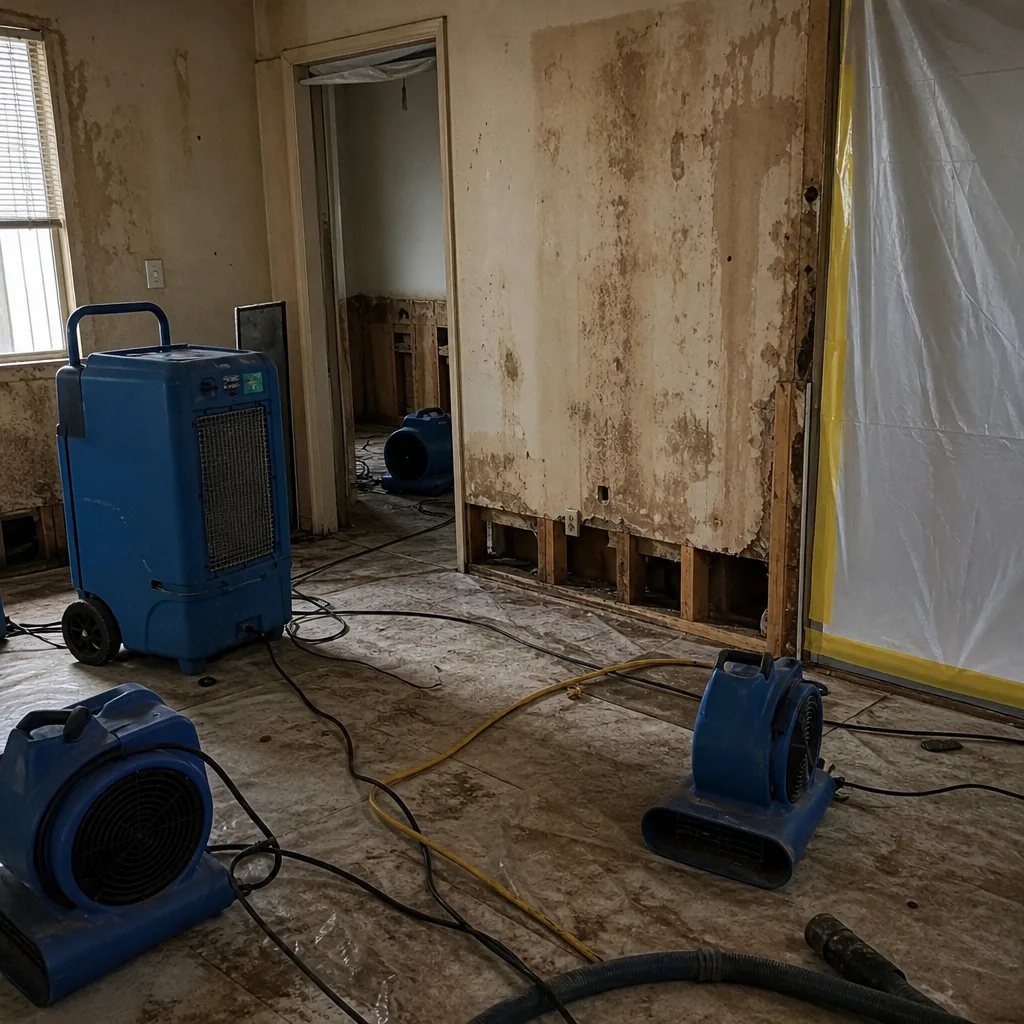 Before
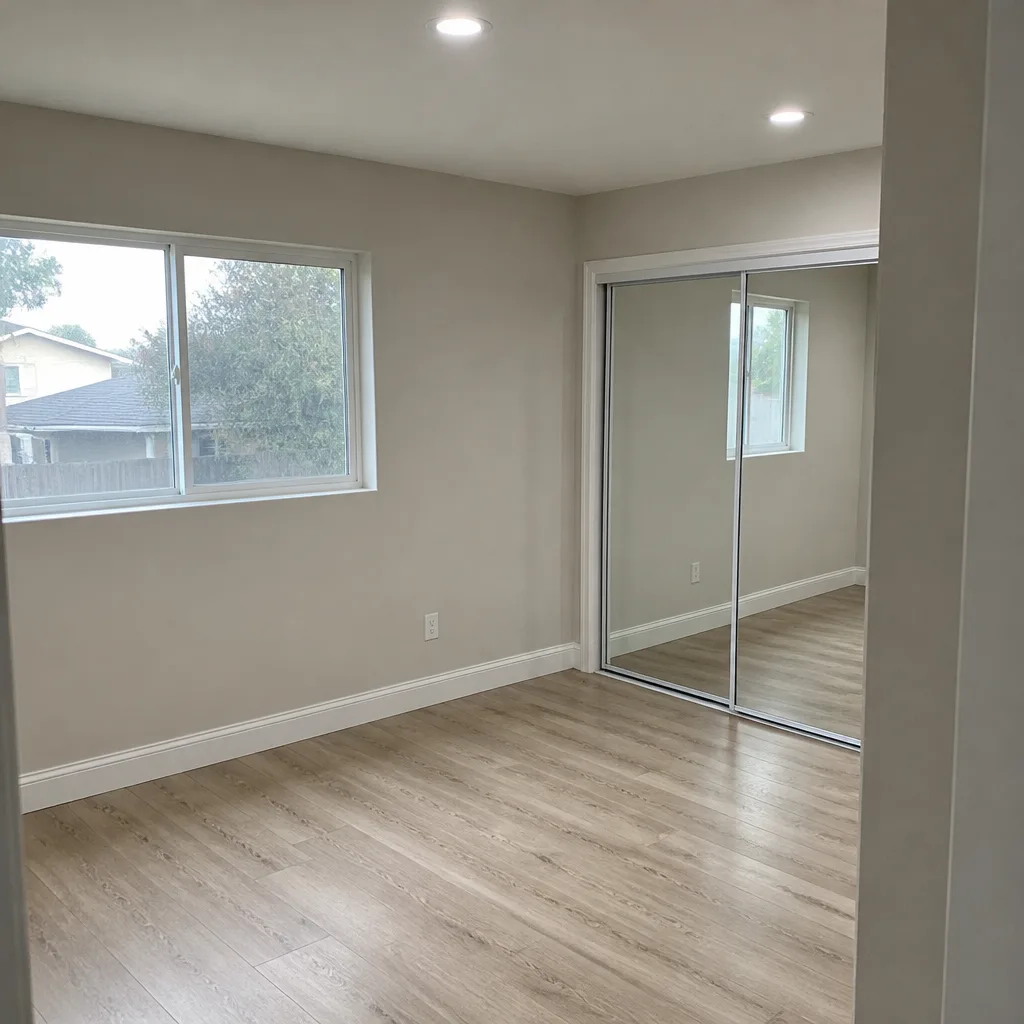 After
After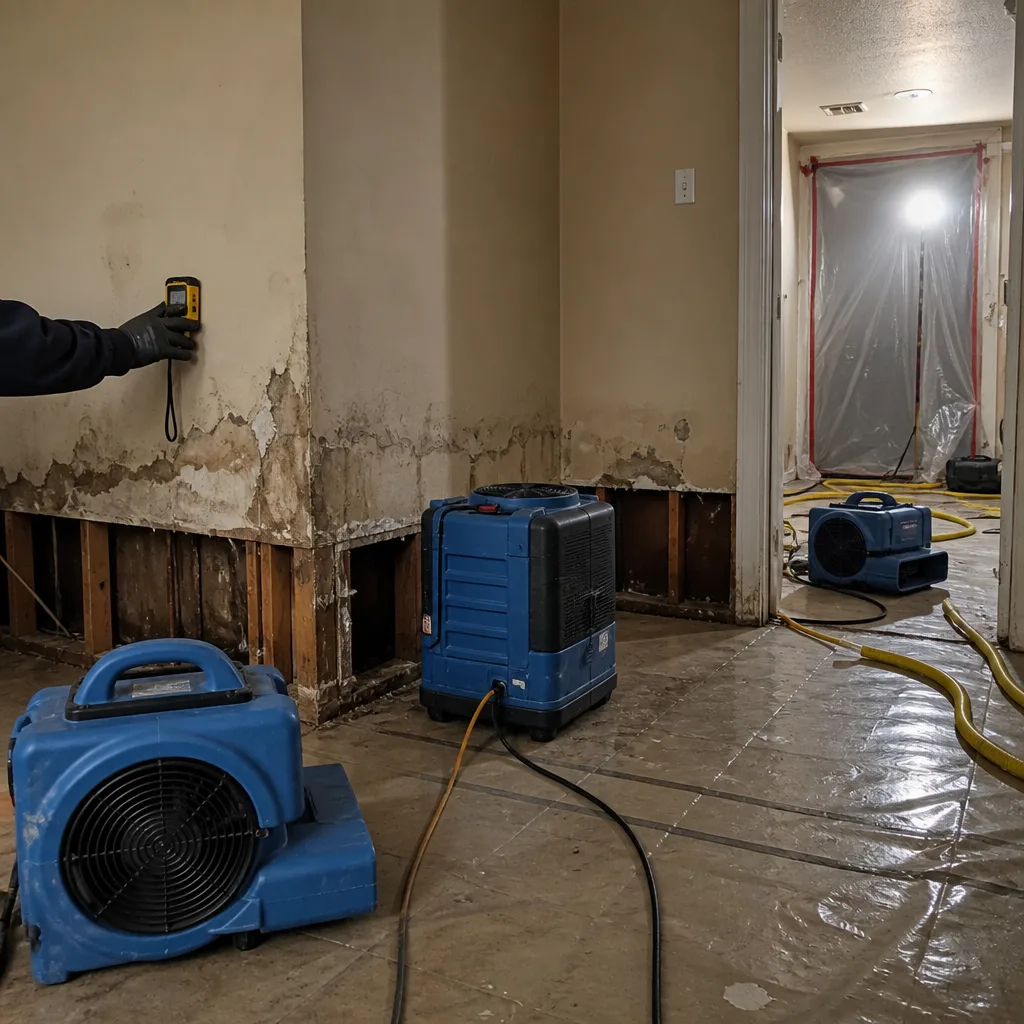 Before
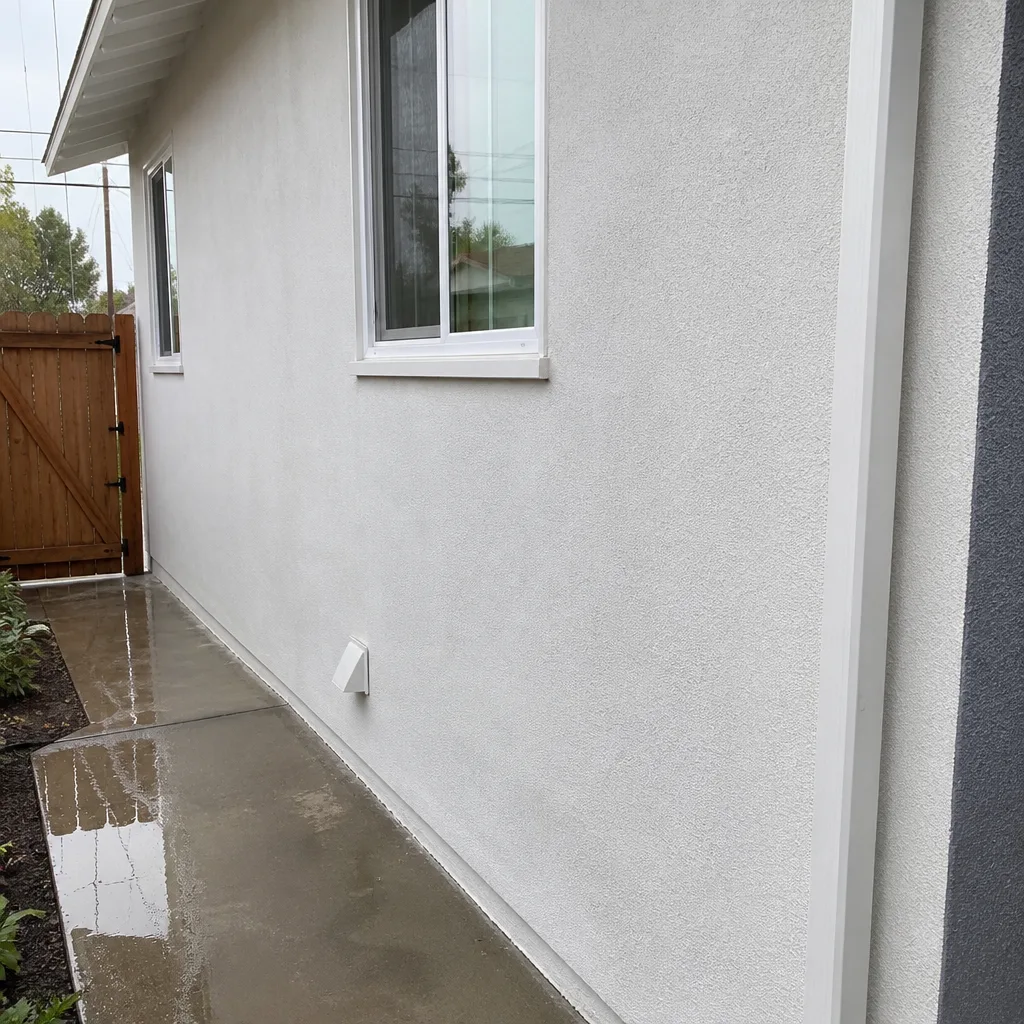 After
After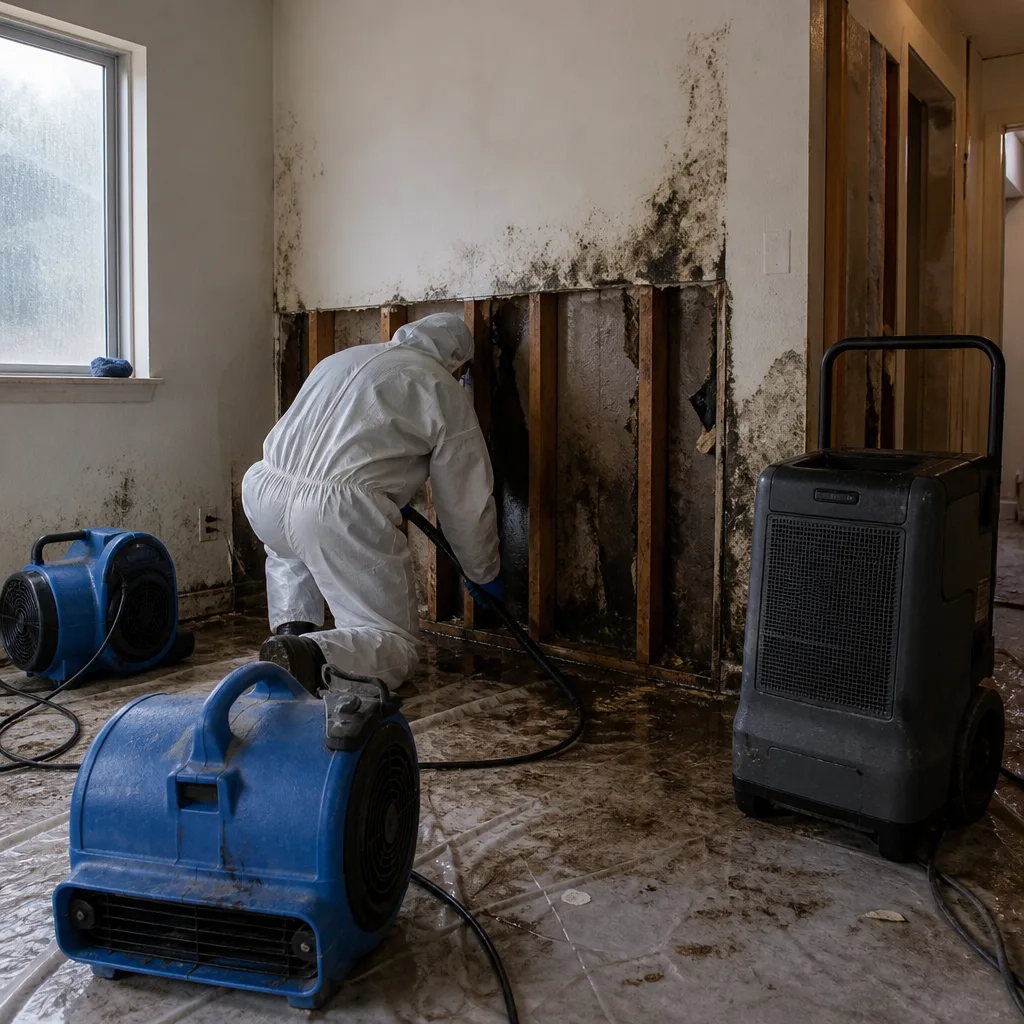 Before
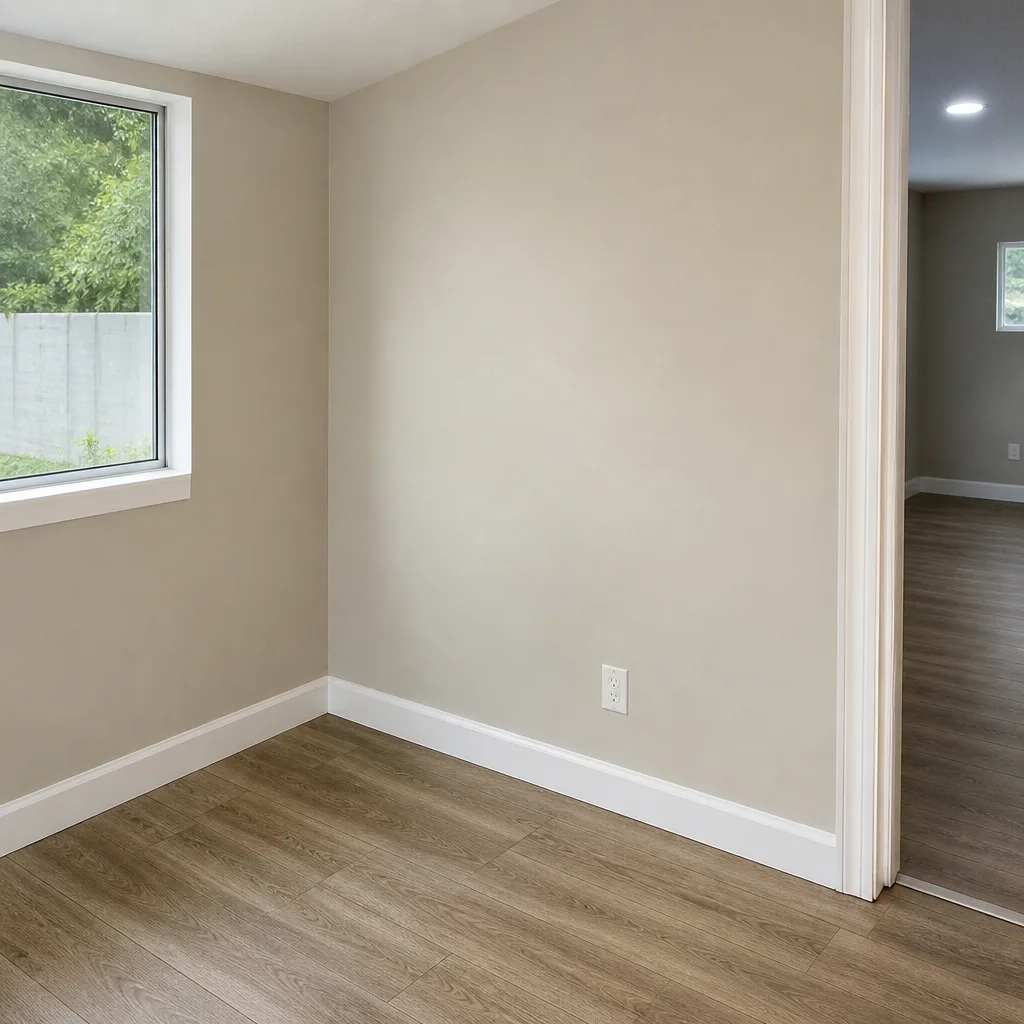 After
AfterWhen to Call a Professional
Call a restoration professional when the damage involves structural changes, electrical systems, or plumbing. Call when you are unsure whether a permit is required. Call when your insurance adjuster asks for documentation of the repair scope. Call before you sell a home that has had restoration work. Dryden Restoration Los Angeles offers free estimates for restoration work in Los Angeles. We explain the permit requirements for your specific repair, pull the permits, schedule the inspections, and provide the paperwork you keep for your records. Call (213) 423-6383 for a free estimate.
Frequently Asked Questions
Replacing drywall panels only, with no framing, electrical, or plumbing changes, generally does not require a permit in the City of Los Angeles. If any studs are replaced or the wall cavity work includes new wiring or plumbing, a permit is required. Call (213) 423-6383 for a free assessment of your specific situation.
Yes. Emergency water extraction, board-up, tarping, and temporary shoring are exempt from permit requirements under California law and the LA Municipal Code. These tasks stop active damage and are legally permitted without prior approval. Pull the permit before permanent repair work begins.
Yes. Standard California homeowner policies allow insurers to deny claims on portions of the home where unpermitted work contributed to a loss. If a prior unpermitted repair fails and causes new damage, the new claim can be denied. The safest course is to pull the permit at the time of the original repair.
Go to the LADBS online portal or the LA County Public Works Building and Safety portal, search by your street address, and review all permits on file. An active permit will show the permit number, status, work description, and contractor name. If no permit appears and work has begun, contact the contractor immediately.
The City of LA uses LADBS, which offers fully online same-day permitting for many simple repairs. Unincorporated LA County areas use County Public Works Building and Safety, which may take slightly longer and has fewer online permit types. Thresholds for drywall replacement and structural repairs can differ slightly between the two systems.
Many California homeowner policies cover permit costs as part of the building repair claim if the permit is required for covered restoration work. Confirm with your adjuster before work begins. Keep the permit receipts and final inspection record to submit with your claim documentation.
The Bottom Line
Permits are not the contractor’s problem. They are yours. In California, unpermitted restoration work can void insurance coverage on the repaired area, create title problems during a sale, and force you to reopen walls for retroactive inspection years later. The fix is simple: know which work triggers a permit, verify the permit exists in the LADBS or county system, and keep the final inspection paperwork. Emergency mitigation is exempt, so extract water and secure the property immediately without waiting on bureaucracy. For permanent repairs in Los Angeles, pull the permit, schedule the inspection, and keep the records. It costs a few hundred dollars and can save you tens of thousands later.
Written by Carl Brandt, Owner at Dryden Restoration Los Angeles, serving Los Angeles since 2005.