
Last updated October 16, 2026
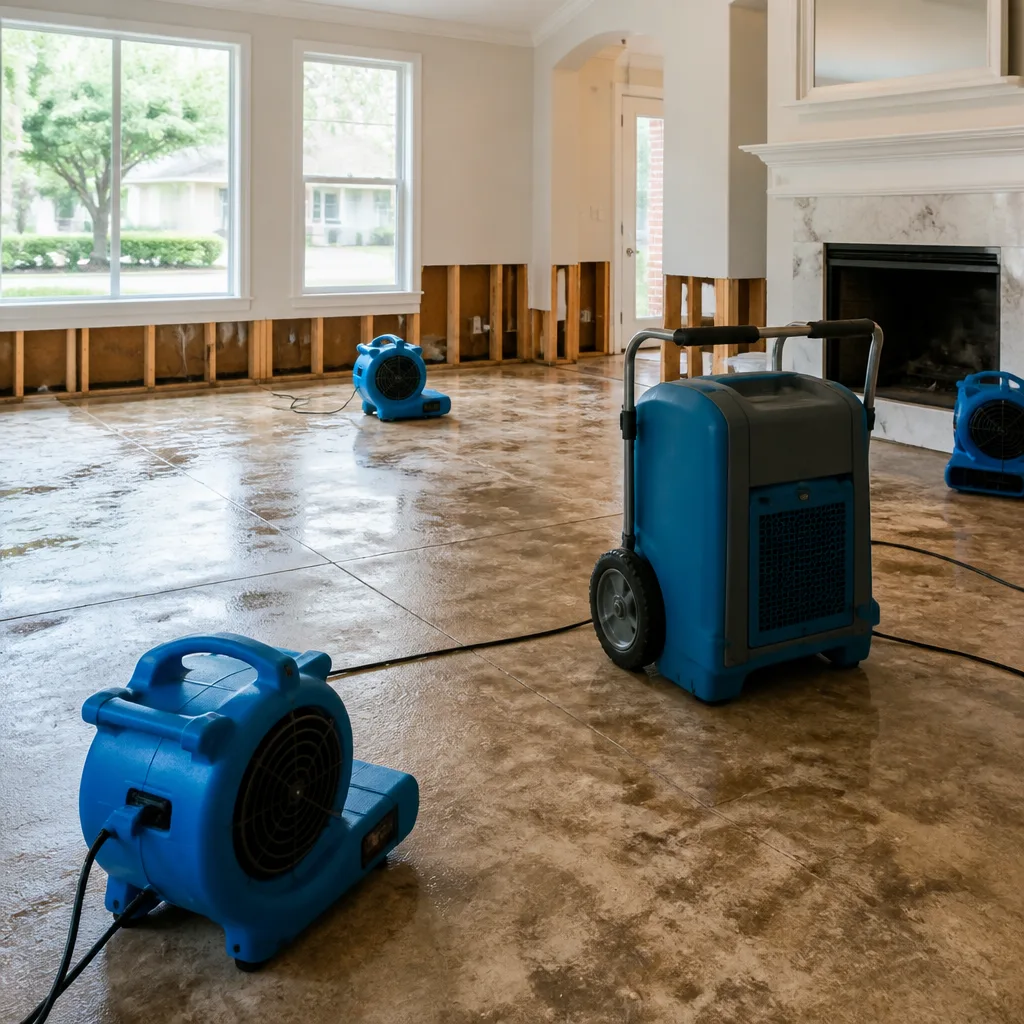 Water damage drying
 Fire & smoke cleanup
 Mold remediation
 Storm response
 Sewage cleanup
 Reconstruction
Free visual inspection and a written scope of work before any mitigation begins - photos, moisture readings, and drying logs go in your claim file
The scope we write is the scope we bill. Anything new gets shown to you, in writing, before we touch it.
Get your free estimateWater Damage Restoration Maintenance Checklist for Los Angeles Homeowners
Galvanized steel pipes, standard in any Los Angeles home built before 1970, corrode from the inside out. The pipe looks fine right up until it doesn’t. A pinhole leak forms behind a wall, under a slab, or in a ceiling cavity, and by the time you see the water stain, the damage has been spreading for weeks. Los Angeles homes face a specific set of water risks that Water Damage Restoration services and generic maintenance checklists often miss entirely. This guide walks you through those risks, room by room, with checks you can do yourself, checks that need a professional, and what each one actually costs in the Los Angeles market.
Quick Answer
A Los Angeles water damage maintenance checklist should focus on four failure points most generic guides skip: galvanized supply lines in pre-1970 homes, flat roof drains on Spanish-style construction, stucco moisture trapping, and year-round irrigation systems that cause slab leaks. Most visual checks take under 15 minutes per quarter. Professional inspections cost between $150 and $450 per system in Los Angeles, and documenting your baseline condition with photos gives you defensible evidence if an insurance claim comes later.
Restoration work we handle
Table of Contents
- Why Los Angeles Homes Fail Differently
- The 15-Minute Quarterly Checklist
- Slab Leaks: The LA-Specific Threat
- Flat Roofs and Scupper Drains
- Stucco Moisture Trapping
- Irrigation Systems That Run 365 Days a Year
- Documenting Your Baseline: Photo Evidence for Insurance
- What a Professional Should Inspect, and When
- Common Mistakes to Avoid
- When to Call a Professional
- Frequently Asked Questions
Why Los Angeles Homes Fail Differently
Most water damage prevention guides are written for homes with basements, freezing winters, and seasonal rain, unlike our more guides & resources tailored to local conditions. Los Angeles homes have none of those things, which means the advice often doesn’t transfer. Our housing stock skews toward mid-century construction: stucco exteriors, slab foundations, flat or low-slope roofs, and galvanized plumbing. Each of those carries a distinct water risk that a homeowner in, say, Chicago never has to think about.
We’ve worked on water damage in Los Angeles since 2005, and the patterns are consistent. In neighborhoods like Westchester and Culver City, we see flat roof drain failures after heavy rain. In the San Fernando Valley, where summer temperatures push 110 degrees, we see slab leaks from thermal expansion in aging copper and galvanized lines. In hillside areas like Mount Washington and Echo Park, we see drainage failures where retaining walls channel water directly into foundations. Understanding water damage restoration in Los Angeles starts with knowing which failure mode your specific house was built with.
The single most common question we get from homeowners who call us after a leak is: “Could I have caught this earlier?” The answer, more often than not, is yes. The signs were visible. They just weren’t on any checklist the homeowner had seen.
The 15-Minute Quarterly Checklist
These are visual checks. No tools, no ladders, no crawling under the house. You can do all of these in a single pass through your home in about 15 minutes, four times a year. The goal is not to fix anything. The goal is to spot changes early, before a slow leak becomes a restoration project.
- Check every exposed pipe you can see. Under sinks, behind toilets, at the water heater, at the washing machine hookup. Look for white or green crust (mineral deposits from slow leaks), dark staining on surrounding wood, or a musty smell that doesn’t go away. Run a dry finger along joints and valves. Any moisture means a leak, even if you can’t see drips.
- Check ceilings for discoloration. Los Angeles homes with flat roofs often show water intrusion as faint brown or yellow rings on ceilings, especially near scupper drains or HVAC penetrations. Small rings that grow between quarterly checks indicate an active leak, not an old stain.
- Check baseboards and flooring near exterior walls. In stucco homes, water can penetrate the exterior, run down inside the wall cavity, and pool at the bottom plate. Look for warped baseboards, bubbling paint, or dark stains where the wall meets the floor. Press gently on the baseboard. Softness means water damage behind it.
- Check your water bill against the same quarter last year. A 20% or greater jump with no change in household habits is often the first sign of a slab leak or underground supply line leak. Los Angeles Department of Water and Power bills include usage history. Use it.
- Walk the exterior perimeter. Look for soft spots in the soil, unusually green patches of grass, or water pooling near the foundation. In Los Angeles, where we go months without rain, a wet spot in the yard in August means an underground leak.
- Check irrigation heads and valves. We’ll get into this in detail later, but a quick visual check of every sprinkler head and valve box takes five minutes and catches the majority of irrigation-related slab leaks before they start.
If you find something during a quarterly check, take a photo and date it. That’s your baseline for whether a problem is getting worse.
Slab Leaks: The LA-Specific Threat
A slab leak happens when a pipe running through or under your concrete foundation develops a leak. In Los Angeles, slab foundations are the norm, not the exception. And unlike a crawlspace home, where a leaking pipe drips visibly into a dark corner where you might eventually notice it, a slab leak has nowhere to go. The water travels upward through the concrete, or sideways along the pipe channel, until it finds an exit point: a crack in your floor, the base of a wall, or a puddle in the yard.
We’ve seen slab leaks in Los Angeles homes that ran for months before anyone noticed. The damage by then is not just the pipe repair. It’s saturated flooring, warped door frames, and often mold inside wall cavities that requires mold remediation in Los Angeles before the rebuild can start.
Signs of a Slab Leak
- A warm spot on the floor, especially in the kitchen or a hallway. Hot water lines are usually the first to fail in Los Angeles because of constant thermal expansion and contraction.
- The sound of running water when no fixtures are on. Put your ear against the floor in a quiet house. If you hear water moving, something is moving it.
- Cracks in the foundation or tile flooring that appear suddenly. Water pressure can shift concrete over time.
- Low water pressure at multiple fixtures at once, which can indicate water escaping before it reaches the fixture.
What You Can Do vs. What Needs a Pro
You can: Monitor your water meter. Turn off all water inside and outside the house. Note the meter reading. Wait 30 minutes with everything still off. If the meter moved, water is escaping somewhere in your system. This is a 5-minute test you can do quarterly.
You cannot: Locate the exact position of the leak within the slab, or repair it. Slab leak detection requires acoustic listening equipment, thermal imaging, or specialized leak detection cameras. Plumbers in Los Angeles charge between $200 and $500 for leak detection, and between $1,800 and $4,500 for a typical slab leak repair depending on access. The good news is that most Los Angeles homeowners insurance policies cover slab leak repair and the resulting water damage, minus your deductible.
If you suspect a slab leak, call a licensed plumber immediately. The repair cost increases the longer it runs. For a straightforward assessment of resulting water damage, Dryden Restoration Los Angeles home services include free estimates, and we work directly with your insurance adjuster.
Flat Roofs and Scupper Drains
Spanish-style and mid-century modern homes dominate Los Angeles architecture, and both commonly feature flat or very low-slope roofs. A flat roof is not actually flat. It slopes about a quarter inch per foot toward drains, called scuppers, that channel water off the roof and down the exterior walls. When those scuppers clog, or when the roof membrane fails around them, water pools. And pooled water on a Los Angeles flat roof does not evaporate fast enough to prevent intrusion. It finds the membrane’s weak points and enters the structure.
In our experience, flat roof failures in Los Angeles happen most often at three points: the scupper drains themselves, where roofing material meets parapet walls, and around HVAC units or exhaust vents that penetrate the roof. None of these are visible from the ground.
The Flat Roof Checklist
- After any significant rain, visually check your roof from a ladder. Look for standing water that remains 48 hours after the rain stops. In Los Angeles, significant rain means anything over half an inch, which happens a handful of times per year.
- Clear scupper drains of debris. Leaves, tennis balls, even bird nests end up in scuppers. A clogged scupper is the single most common cause of flat roof water intrusion we see in Los Angeles. This takes five minutes and requires only a gloved hand.
- Check the parapet wall flashing. The metal or membrane that transitions from the roof surface up the surrounding wall is called flashing. Look for cracks, separation, or bubbling in the material. In Los Angeles, UV exposure degrades exposed roofing materials faster than in coastal climates, so check this twice a year.
- Inspect roof penetrations. Every pipe, vent, and HVAC unit that comes through the roof is a potential entry point. Look for cracked sealant, rusted collars, or lifted material around each penetration.
A professional roof inspection in Los Angeles costs between $150 and $350. If you have a flat roof and haven’t had it inspected in the last three years, schedule one before the next rainy season. Roof replacement on a Los Angeles flat roof typically runs $8 to $15 per square foot, depending on the membrane system. Repairs are far cheaper than replacement, and catching membrane failure early is the difference.
Stucco Moisture Trapping
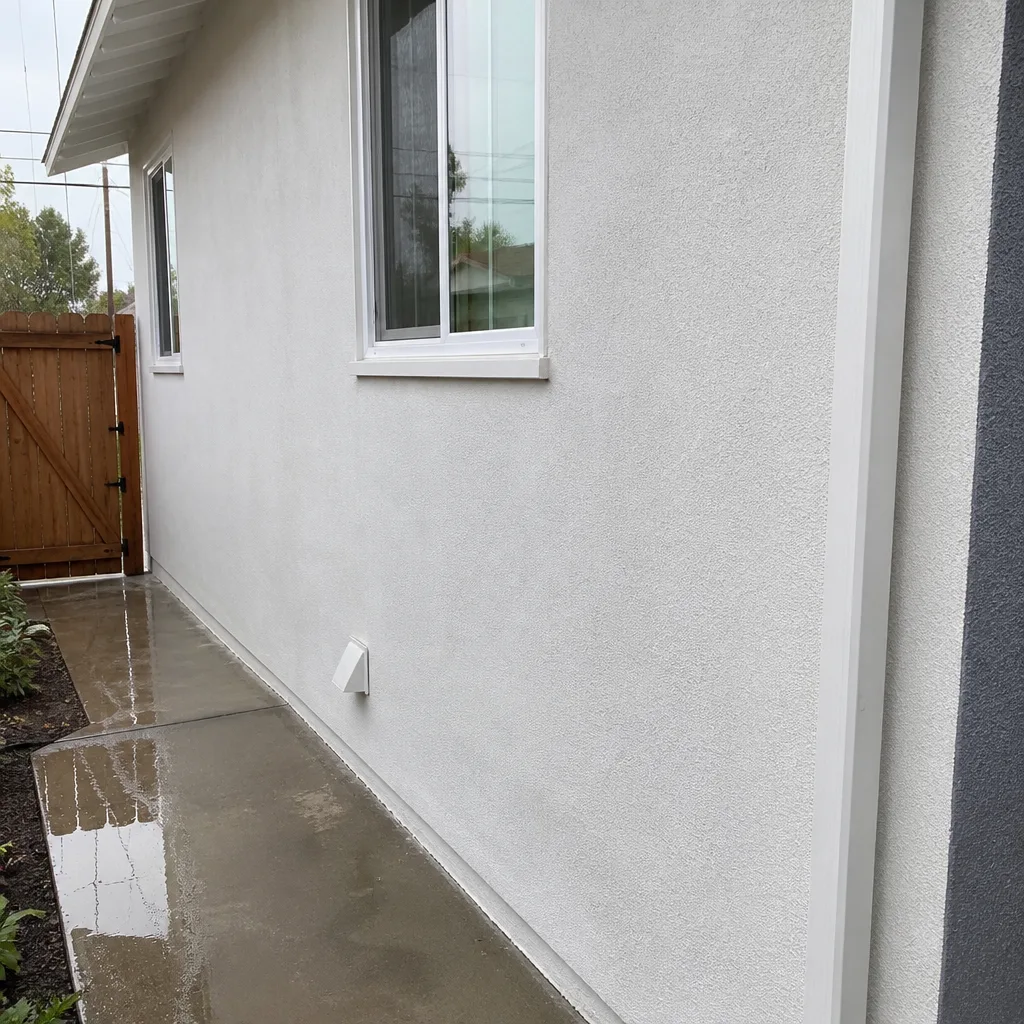
Stucco is the most common exterior finish on Los Angeles homes. It is also, when improperly installed or maintained, one of the most common sources of hidden water damage. Stucco is porous. It absorbs water. Properly installed stucco includes a drainage plane behind the stucco layer, called a rainscreen or drainage mat, that lets absorbed water escape through weep holes at the bottom of the wall. When those weep holes get painted over, caulked, or buried by soil, the water has no exit.
Trapped water inside a stucco wall in Los Angeles does not dry quickly because our nighttime coastal humidity keeps the wall cavity damp. Over months, this leads to wood rot in the framing, mold growth inside the wall, and eventually visible damage on the interior drywall. We regularly see this in Los Angeles homes built in the 1970s and 1980s, when stucco installation standards were less stringent.
Stucco Checks You Can Do
- Look for weep holes at the bottom of exterior walls. These are small gaps, about the width of a pencil, spaced every two to four feet along the bottom edge of the stucco. If you don’t see them, or if they’re filled with paint or caulk, that’s a red flag.
- Check for cracks wider than 1/16 inch. Hairline cracks are normal in Los Angeles stucco because the ground shifts and the material expands and contracts with temperature. Cracks wider than a dime let water in. Seal them with an elastomeric caulk rated for stucco. This is a $15 fix you can do with no experience.
- Tap on suspicious areas. Knock on the stucco near the bottom of exterior walls. Solid stucco sounds dense and hard. Water-damaged stucco sounds hollow or crumbly. Compare the sound at different heights on the same wall.
- Check where the stucco meets the ground. Soil should sit at least six inches below the weep holes. Landscaping that buries the bottom of the stucco wall traps water against the structure. In many Los Angeles homes, years of adding mulch and planting beds has raised the soil level against the house.
Stucco remediation for trapped moisture typically involves removing the damaged section, drying the wall cavity with professional equipment, replacing any rotted framing, and re-stuccoing. Costs in Los Angeles run $1,500 to $6,000 for a typical wall section, depending on size. Catching weep hole blockage early prevents the whole process.
Irrigation Systems That Run 365 Days a Year
In most of the country, irrigation systems get winterized. They’re drained, blown out, and shut down for four to five months. In Los Angeles, irrigation runs every month of the year. That means the system is under pressure and moving water 365 days, which means the wear accumulates twice as fast as it does in a seasonal climate.
Irrigation is also the leading cause of slab leaks we see in Los Angeles. A common scenario: an irrigation line runs under a concrete walkway or along the foundation. The line develops a small crack, often at a fitting. The leak is slow enough that sprinklers still work. The homeowner doesn’t notice. Over months, the soil under the slab erodes, the concrete shifts, and the leak graduates into a foundation-level water problem.
The Irrigation Checklist
- Check your water meter during a 15-minute irrigation cycle. First, note the reading with irrigation off. Then run a full irrigation cycle and note the reading again. Compare the actual usage against what your system should use. A zone that uses significantly more water than the others has a leak.
- Walk every zone while it runs. You don’t need to do all zones at once. Check one zone per week during watering season. Look for wet spots, bubbling water at sprinkler heads, or heads that don’t pop up fully. Any of these indicates a leak or a broken head that’s wasting water and saturating the soil.
- Check the backflow preventer. Every Los Angeles irrigation system has a backflow preventer, usually a brass device near the water meter. Look for dripping, wet soil around it, or standing water in the valve box. A backflow preventer leaking at 5 gallons per minute, which we’ve measured, loses 7,200 gallons per day. That level of water in one spot is a slab leak waiting to happen.
- Replace sprinkler heads near the foundation. Heads that spray directly onto stucco or wood siding cause the same moisture trapping we discussed earlier. Redirect or replace any head that hits the house. This is a $8 part and a 10-minute job.
Professional irrigation inspection in Los Angeles costs between $75 and $200, and a full system audit with a certified irrigation professional runs $200 to $450. Given that the average Los Angeles home uses 40% of its water outdoors, those inspections pay for themselves in water savings alone, before you factor in the cost of preventing a slab leak.
Documenting Your Baseline: Photo Evidence for Insurance
Here is the step most checklists skip entirely, and it is the one that matters most if you ever need to file a claim. Insurance companies evaluate water damage claims based on what changed. If you don’t know what your walls, ceilings, and floors looked like before the leak, you have no way to prove the damage is new. Adjusters see this constantly. A homeowner files a claim for a ceiling stain, and the insurer says it’s pre-existing because there’s no baseline.
Creating a baseline takes one afternoon and costs nothing. It is the single highest-value thing you can do for yourself as a Los Angeles homeowner.
How to Document Your Baseline
- Photograph every room, every wall, every ceiling. Stand in each corner and take a photo of the opposite wall. That’s four photos per room minimum. Include ceilings, because ceiling stains are the most common water damage claim. Include under every sink, behind every toilet, and around your water heater.
- Photograph the exterior perimeter. Walk the full perimeter and photograph every exterior wall from foundation to roofline. Include the areas around hose bibs, irrigation valves, and downspouts.
- Photograph your roof, if you can do so safely. A ladder up to the roofline for photos is fine. Do not walk a tile roof. Photograph the roof surface from the ladder or from an upstairs window.
- Store the photos somewhere you can find them in three years. Cloud storage, an external drive, a dedicated folder on your computer. Label the folder with the date. Update it annually.
- Note your water pressure. Buy a $12 pressure gauge that threads onto a hose bib or laundry connection. Los Angeles water pressure should be between 40 and 80 psi. Pressure above 80 psi strains every pipe, valve, and fixture in your home and shortens the life of your plumbing. A pressure regulator that needs replacement costs $250 to $500 and protects your entire system.
When you call us for fire damage restoration in Los Angeles or water damage, the first thing our technicians do is document the current condition with professional photography. Having your own baseline makes the entire process smoother, because you have a point of comparison that predates the loss.
What a Professional Should Inspect, and When
Some things you can check visually but cannot confirm without professional tools. Other things you cannot safely access at all. Here is a realistic schedule for professional inspections, with Los Angeles pricing, organized by how often each inspection makes sense.
Annual Professional Inspections
- Roof inspection. $150 to $350. Critical before the Los Angeles rainy season, which runs roughly November through March. Covers membrane condition, flashing, scupper drains, and penetrations.
- Plumbing pressure test. $100 to $250. A plumber pressurizes your system and watches for pressure drop, which indicates a leak somewhere. Catches slab leaks before they surface.
- Water heater inspection and flush. $75 to $150. Los Angeles water is hard, and sediment buildup shortens tank life and creates pinhole leaks at fittings. Flushing annually extends the tank life by years.
Every 3-5 Years
- Irrigation system audit. $200 to $450. A certified irrigation professional evaluates every zone, checks for hidden leaks, and measures output against system design. Pays for itself in water savings in most Los Angeles homes.
- Sewer line camera inspection. $250 to $500. Los Angeles sewer lines, especially in older neighborhoods with mature trees, fail from root intrusion. A camera inspection shows you exactly what’s happening before a sewer backup becomes a water damage emergency.
- Stucco moisture inspection. $300 to $600. A professional uses non-invasive moisture meters to scan exterior walls and identify trapped moisture behind stucco that looks perfectly fine from the outside.
These inspections total roughly $1,075 to $1,800 annually when spread across the multi-year items. Set against the typical Los Angeles water damage restoration cost of $3,000 to $15,000 for a moderate claim, detailed in our Damage Restoration Cost Breakdown: The Los Angeles Homeowner’s Reference for 2026, the math is simple.
Common Mistakes to Avoid
- Ignoring a small stain because it hasn’t grown. In Los Angeles, stains from roof leaks often stay small for months because we get so little rain. Then the first big storm turns that small stain into a collapsed ceiling. If there’s a stain, there’s been water intrusion. Find it and fix it.
- Turning off your irrigation in winter. This works in Minnesota. It doesn’t work in Los Angeles, where winter is often our only real growing season for cool-season landscaping. The better move is to reduce irrigation frequency in winter, not eliminate it entirely, and to check the system quarterly rather than seasonally.
- Caulking over weep holes. We see this constantly. A homeowner or a handyman notices water coming from the bottom of a stucco wall and caulks the weep holes shut. The weep holes are the exit. Sealing them traps water inside and accelerates rot. If water is coming from weep holes, the weep holes are doing their job. Find the source of the water instead.
- Skipping the water meter test because it seems obvious. Most homeowners check their meter when they think they have a leak, not before. The whole point of the quarterly meter test is to establish your normal usage baseline so that when something changes, you notice it immediately.
- Assuming your home is too new to have plumbing problems. We’ve restored water damage in Los Angeles homes built in the 2010s. PEX and copper systems fail too, especially at fittings and under slab stress. No construction type is immune.
- Filing an insurance claim before documenting the damage. Take your own photos first. Lots of them. Before any cleanup, before any repairs, before the adjuster arrives. Your photos are your record. If you call us first, we document everything professionally before any work starts, and we work directly with your adjuster.
When to Call a Professional
Some water issues are DIY-checkable but not DIY-fixable. Call a licensed professional if you find water coming through a ceiling, water pooling at the base of a wall with no visible source, a water meter that shows usage with everything off, or any sign of slab movement like new foundation cracks. Call immediately if water is near electrical outlets, the breaker panel, or any hardwired appliance.
Dryden Restoration Los Angeles offers free estimates in Los Angeles. We use Dri-Eaz and Phoenix drying equipment, the same professional-grade machines large commercial crews use, and every job gets a written price before any work starts. If you’re not sure whether what you’re seeing is a problem, call (213) 423-6383 and describe it. We’ll tell you honestly whether it needs professional attention or whether it’s something you can handle yourself.
Frequently Asked Questions
Do a visual 15-minute check quarterly, and schedule professional inspections annually for your roof, plumbing, and water heater. Los Angeles homes need these quarterly checks year-round because irrigation runs 365 days a year and our mild climate means small leaks are easy to miss until they become big problems.
Moderate water damage restoration in Los Angeles typically runs between $3,000 and $15,000, depending on the size of the affected area, how long water sat before extraction, and whether mold remediation is required. Slab leak repairs add $1,800 to $4,500 on top. Most Los Angeles homeowners insurance policies cover both the repair and the resulting water damage, minus your deductible.
Yes, in most cases. Standard homeowners insurance policies in Los Angeles cover sudden and accidental water damage, which includes slab leaks, burst pipes, and irrigation failures. Damage from gradual leaks that ran for months, or from lack of maintenance, may be denied. This is why quarterly checks and documented baselines matter. Call (213) 423-6383 if you need help determining what your policy covers.
Look for ceiling stains, especially in rooms directly under the roof near scupper drains or HVAC penetrations. After rain, check from a ladder for standing water that remains 48 hours later. Both indicate a flat roof membrane or drain failure. Professional roof inspection in Los Angeles costs $150 to $350 and is the most reliable way to catch leaks before they enter the structure.
You can screen for one. Turn off all water fixtures, note your water meter reading, wait 30 minutes, and check the meter again. If it moved, water is escaping somewhere. But locating the exact leak position and repairing it requires acoustic detection equipment and professional tools. Screening yourself is smart. Repairing it yourself is not.
In our experience since 2005, the most common sources are slab leaks from aging galvanized and copper pipes in pre-1980 construction, flat roof scupper drain failures during winter rain, and irrigation system leaks that saturate soil against foundations. All three are catchable with the quarterly and annual checks in this guide.
The Bottom Line
Los Angeles homes fail differently than homes anywhere else in the country. Galvanized pipes in mid-century bungalows, flat roofs on Spanish-style homes, stucco walls that trap moisture, and irrigation systems that never shut down create a specific set of water risks. The checklist in this guide is built around those risks. Fifteen minutes per quarter catches most problems early. A few hundred dollars per year in professional inspections catches the rest. Document everything with photos, check your water meter regularly, and call a professional the moment something looks wrong. The difference between a $400 repair and a $15,000 restoration in Los Angeles is usually just time.
Written by Carl Brandt, Owner at Dryden Restoration Los Angeles, serving Los Angeles since 2005.
See the difference
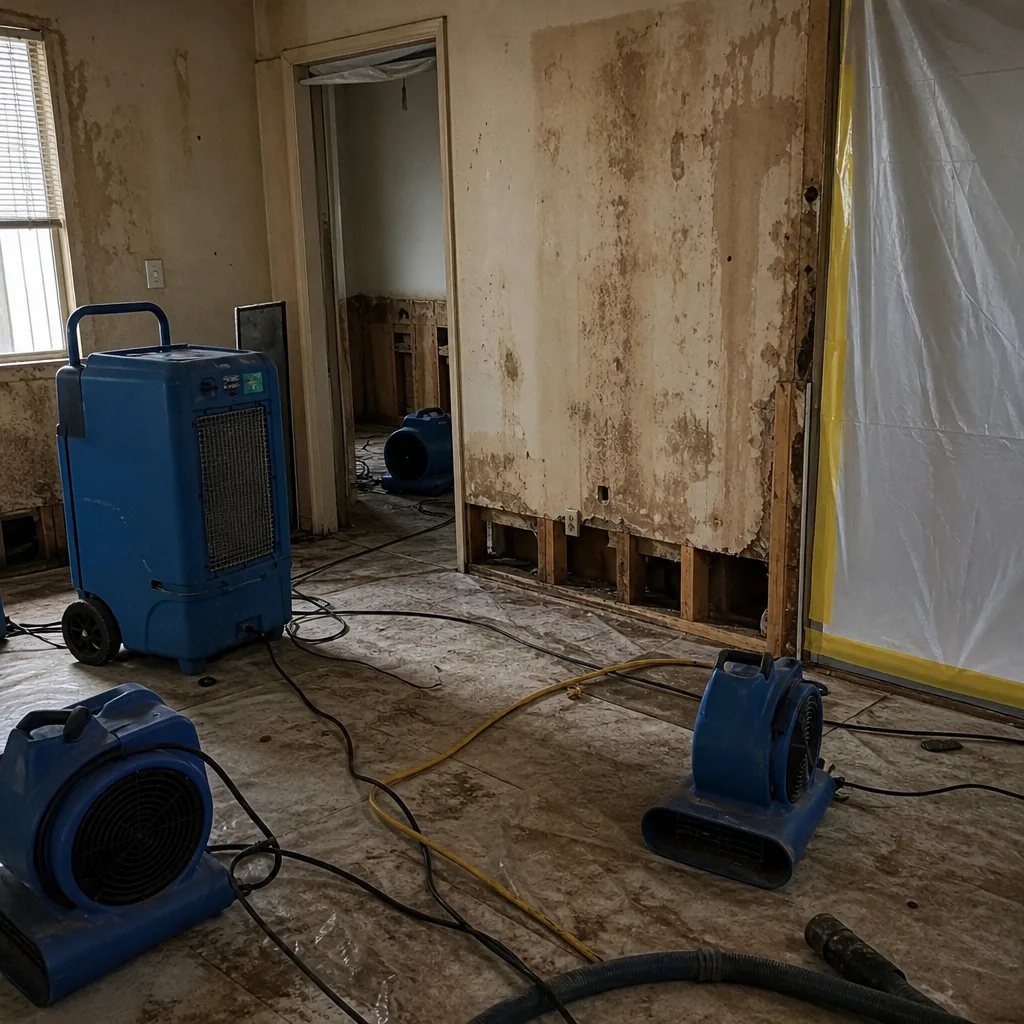 Before
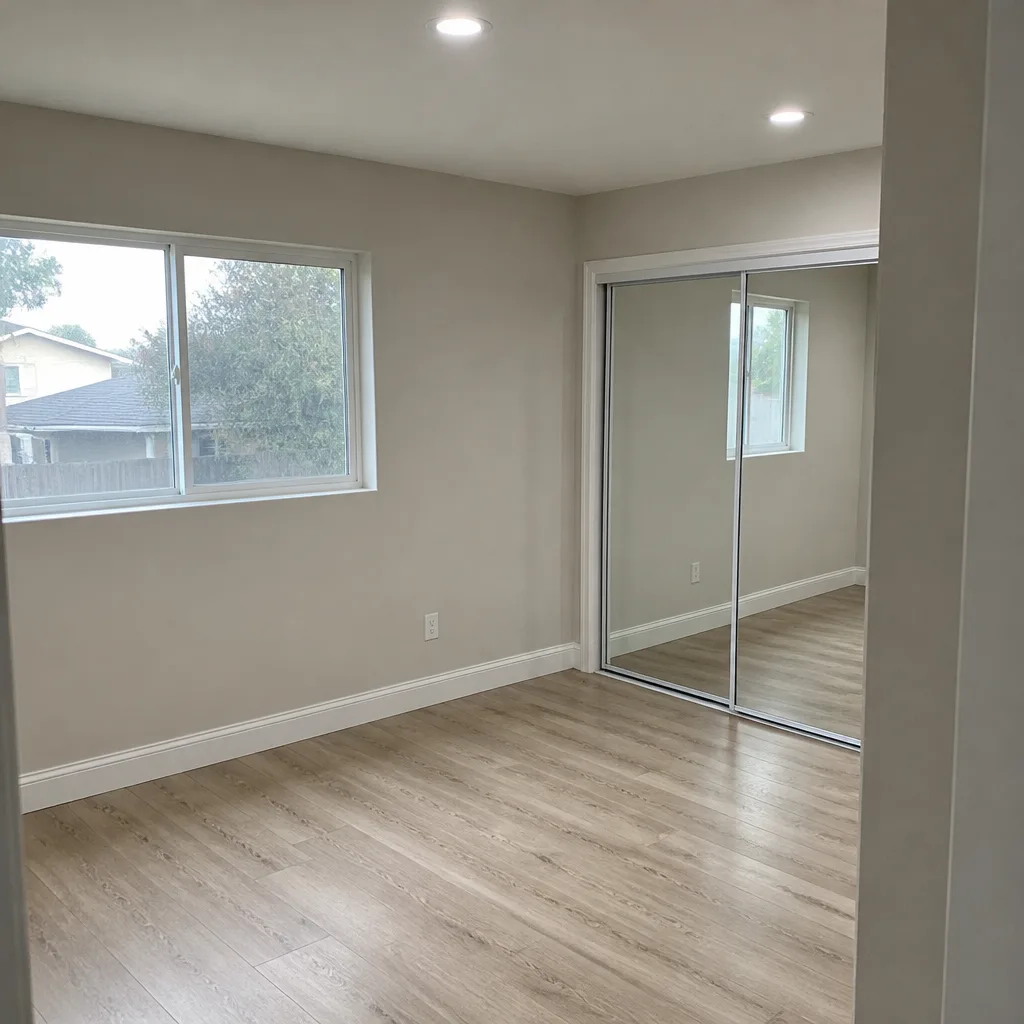 After
After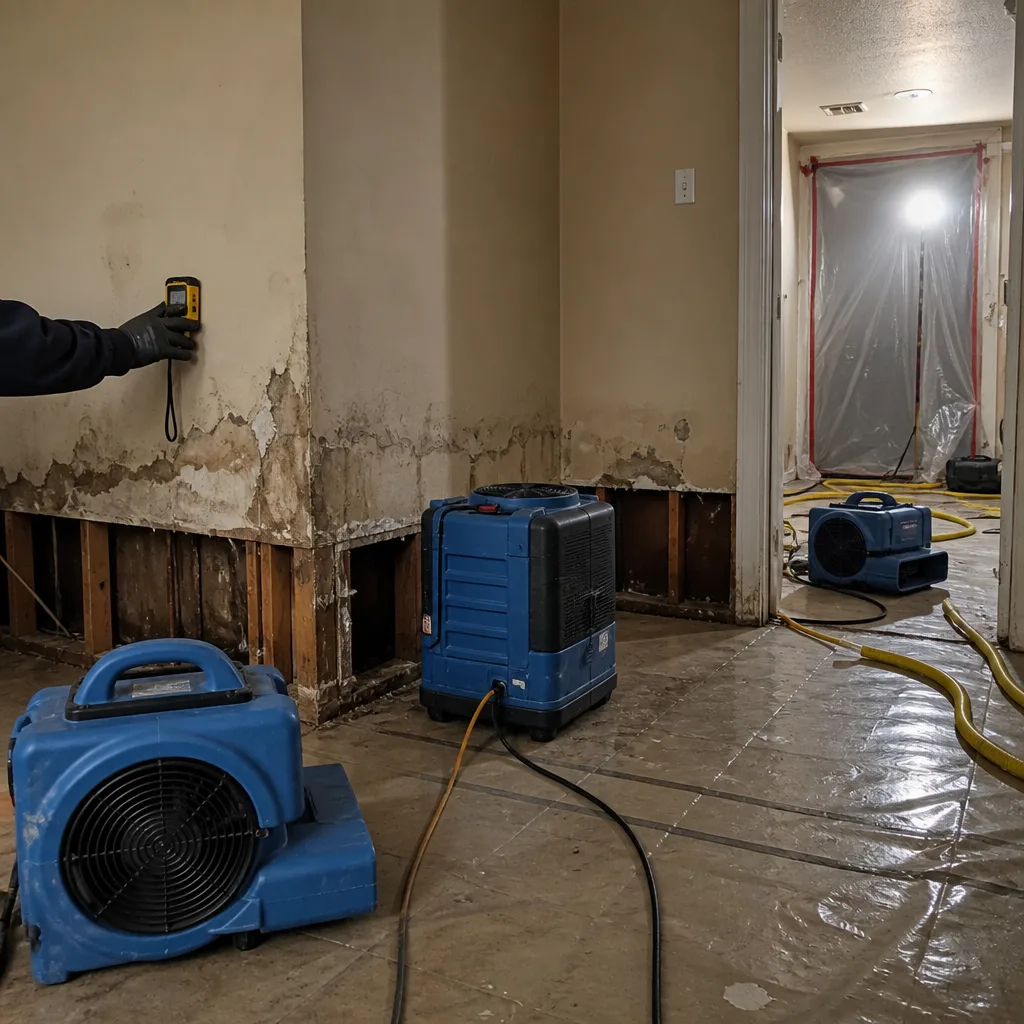 Before
 After
After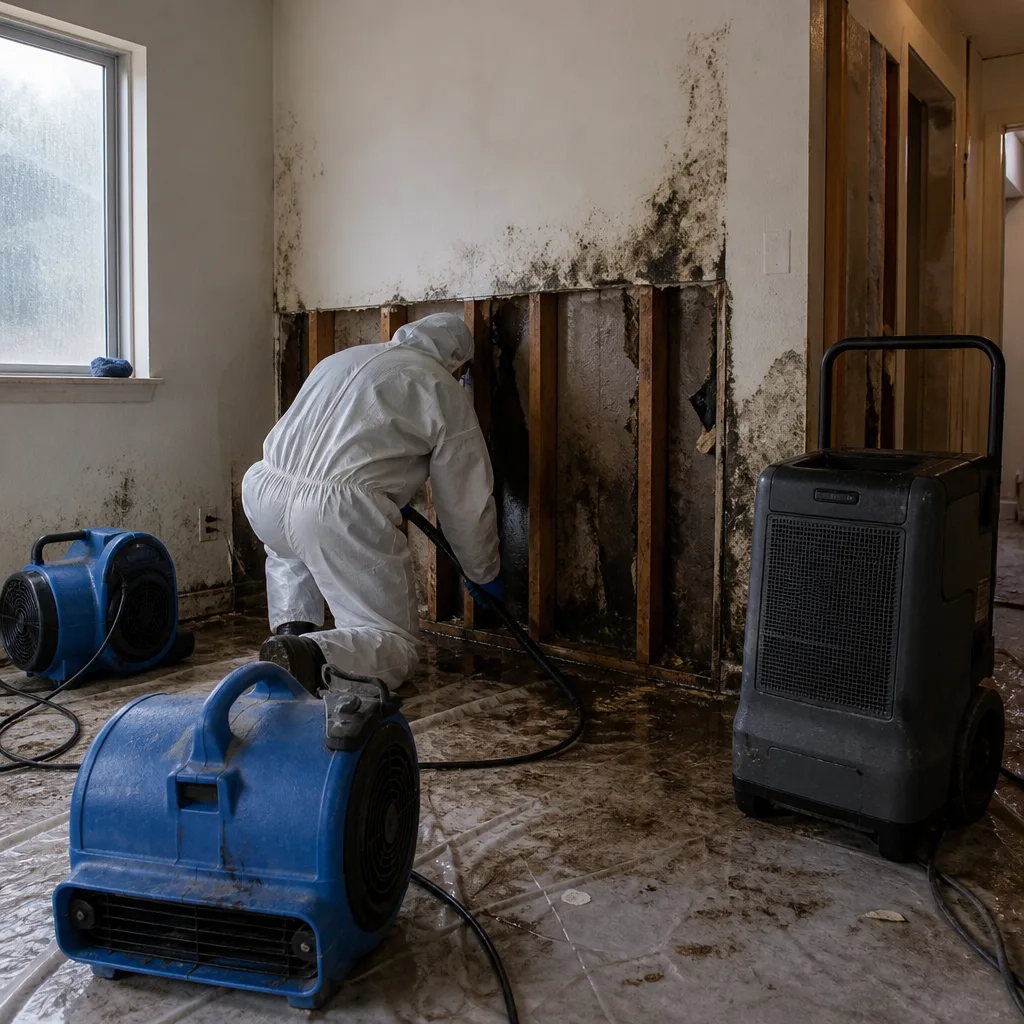 Before
 After
After