

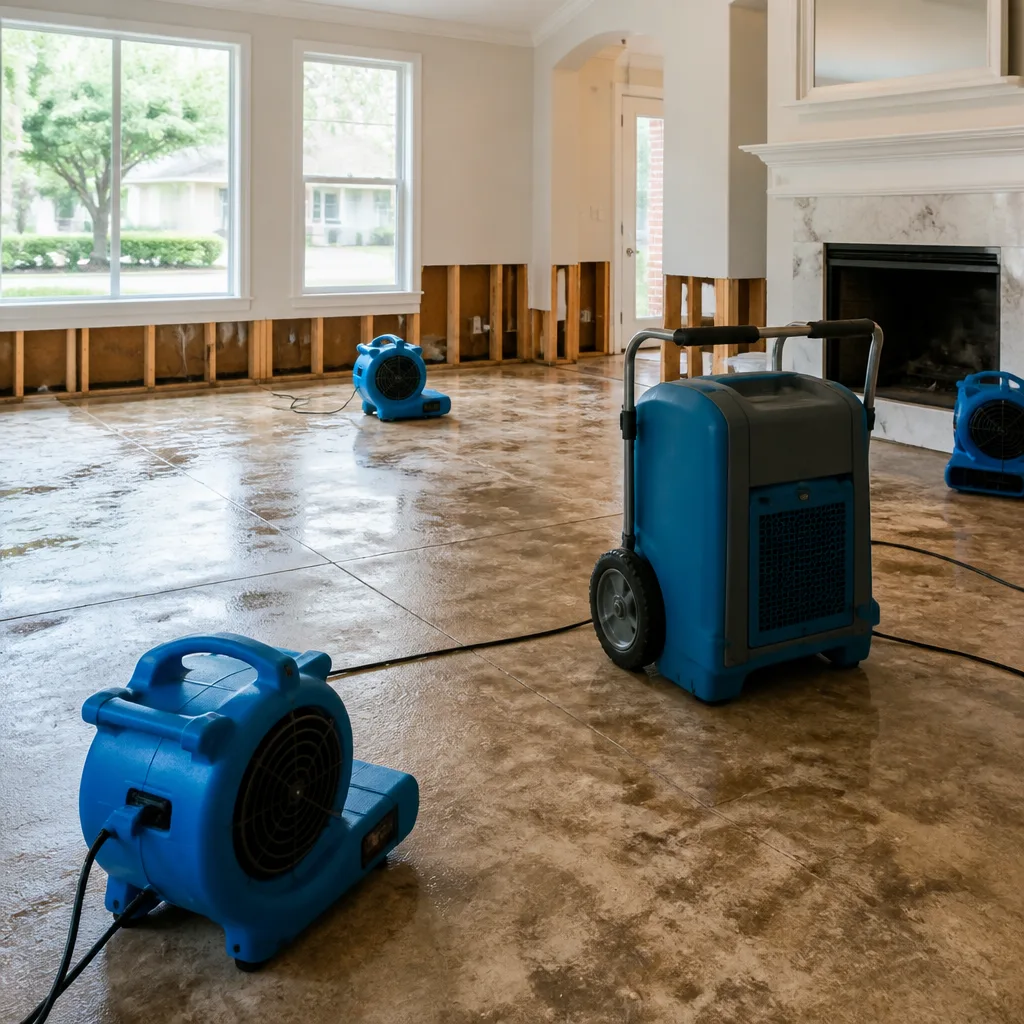
 Water damage drying
 Fire & smoke cleanup
 Mold remediation
 Storm response
 Sewage cleanup
 Reconstruction
Free visual inspection and a written scope of work before any mitigation begins - photos, moisture readings, and drying logs go in your claim file
The scope we write is the scope we bill. Anything new gets shown to you, in writing, before we touch it.
Get your free estimateFast, Reliable Water Damage Restoration Across Hancock Park
Water damage restoration in Hancock Park runs $2,400 – $7,800 for a typical single-room incident, and emergency extraction usually starts at $900 – $1,800. Most jobs in this neighborhood can begin same day because our crews stage equipment from the Los Angeles office and know the streets, the alleys, and the parking constraints around Larchmont Boulevard and Wilshire. When a supply line bursts in a 1927 Spanish Colonial on Rossmore Avenue, or a second-floor bathroom leak soaks the ceiling below, the first two hours determine whether original plaster, hardwood, and millwork survive. Call (213) 423-6383 and a live person answers. Not a voicemail, not a queue. Someone who can dispatch a crew to Hancock Park immediately.
Why Dryden Restoration Los Angeles Is Hancock Park’s Preferred Water Damage Restoration Company
We have worked inside enough Hancock Park homes to know what a mistake costs here. A wrong drying decision on a 1930s Tudor off June Street does not just damage drywall. It can pull the keys off original lath-and-plaster walls, cup 100-year-old oak flooring, or strip the paint off a hand-stenciled ceiling border. Homeowners in Hancock Park call us because our written scope of work addresses the house in front of us, not a generic “dry it and patch it” approach.
Every technician who walks through your front door is background-checked and in a Dryden uniform. We tell you who is coming before they arrive. We give you a named arrival window, and we keep it. The price is written before any equipment is unloaded, and that number does not change at the door. We have held to that since Carl Brandt founded Dryden in 2005 as an independently owned and operated Kingswell company. The Water Damage Restoration crews we send into Hancock Park work to IICRC, RIA, and IFA standards, using Dri-Eaz, Phoenix, and XPOWER equipment, and we explain what we are doing in plain English. After the job, every repair carries our 365-Day Done Right Promise in writing. If a covered repair fails within a year, we come back and correct it at no charge.
Restoration work we handle
Water Extraction in Hancock Park
Water extraction in Hancock Park means removing standing water fast enough that it does not wick up into original plaster, settle under 1920s hardwood, or saturate the solid stucco and wood lath behind your walls. When a water heater lets go in a basement on Plymouth Boulevard or a supply line splits behind a kitchen cabinet, the first job is physical removal: truck-mounted extractors, weighted extraction mats on hardwood, and thorough vacuuming of carpet and pad. Expect $900 – $1,800 for a standard single-room extraction in this market, before structural drying equipment is staged.
Standing Water and Period Flooring
Hancock Park’s original hardwood floors absorb water differently than modern engineered planks. The old-growth oak and fir swells quickly, and if standing water sits for more than a few hours, the boards start cupping and the subfloor below gets saturated. We use weighted extraction mats that press water up out of the wood grain, then move into structural drying.
Plaster Walls and Baseboard Capillary Action
Water trapped at the base of a wall climbs. In a Hancock Park house, that wall is typically plaster over wood lath with no modern vapor barrier. We cut access behind baseboards, drill small drainage ports at a downward angle, and measure moisture with penetrating probes, not just surface meters. That is how we find the water a surface reading misses.
Emergency Water Removal in Hancock Park
Emergency water removal in Hancock Park is what we do when a burst pipe or a failed supply line is actively flooding a room and someone needs a crew right now. The call comes in from a caretaker on South June Street or a homeowner on Beachwood Drive who hears water running behind a wall. We answer live, 24 hours a day, 7 days a week, and dispatch a team that starts extraction on arrival. Emergency water removal here typically runs $1,200 – $2,400 when it includes initial extraction, water damage assessment, and setup of the first drying equipment.
Burst Pipe Response
A burst pipe in an older Hancock Park home often happens in galvanized steel supply lines that have been corroding from the inside for decades. The pipe gives way, and within 20 minutes water is through the ceiling below or across a finished basement. We shut off the water at the main, extract what is on the floor, and map the migration path before we open any walls. You get a written scope before that first cut is made.
Containment and Rapid Drying
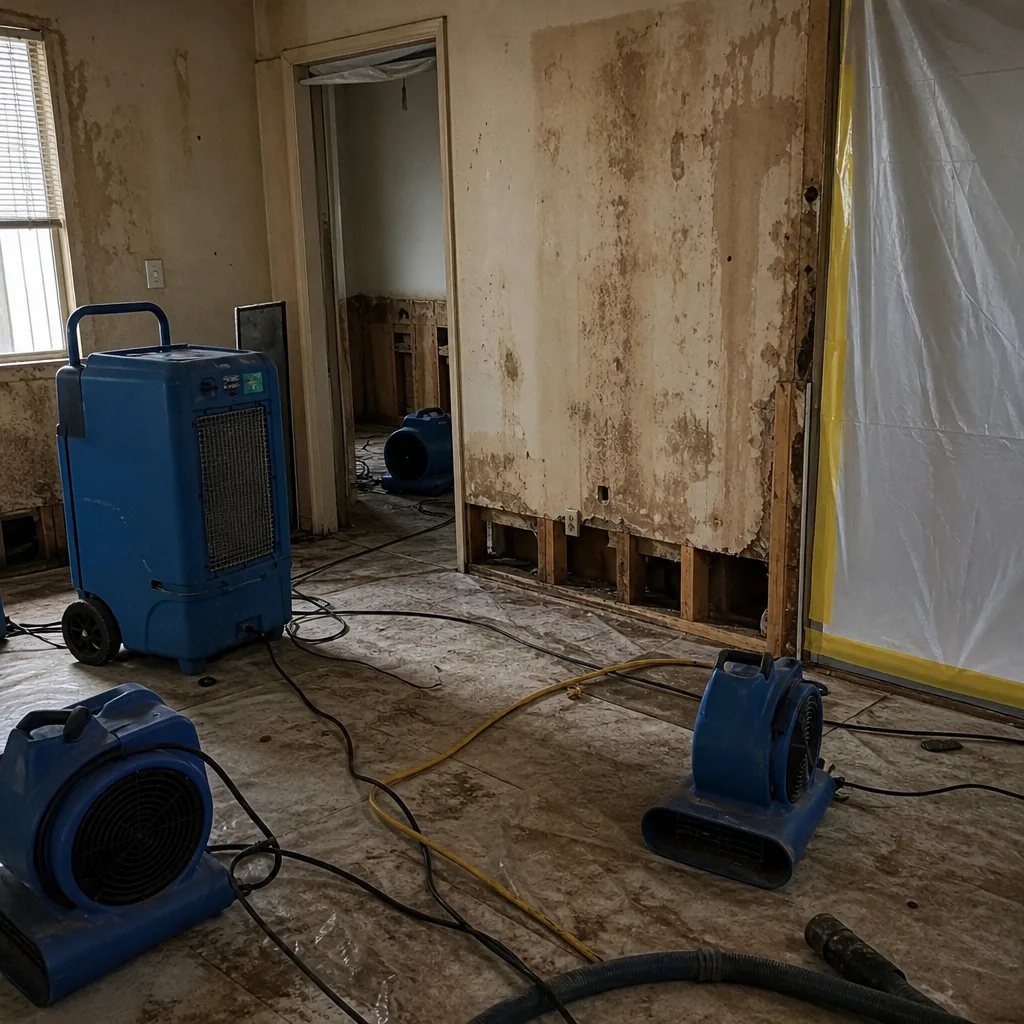
When water from a supply line travels, it does not respect room boundaries. We set up plastic containment chambers to keep drying focused where it is needed, then position Dri-Eaz LGR dehumidifiers and Phoenix air movers. In a Hancock Park house, we are careful with airflow placement around original finishes so we do not over-dry or crack anything that has been there since the Coolidge administration.
Trusted Brands We Service in Hancock Park
We stock and service the drying equipment brands that actually hold up on large, older homes. Dri-Eaz and Phoenix dehumidifiers pull moisture from air and materials; XPOWER air movers and B-Air dryers create the airflow that carries damp air out. For Hancock Park specifically, we keep spare parts and filters staged so a piece of equipment never costs you a day of drying time. The same machines used on commercial restoration jobs go into your living room, attic, or basement. They are loud, they are effective, and we explain what each one is doing before we plug it in.
Common Water Damage Restoration Problems We See in Hancock Park Homes
– Water behind original plaster, not detected until paint blisters weeks later. A surface moisture meter reads dry because the plaster is thick. That is why we drill small moisture probe points and use penetrating readings, then track daily until we can document the wall has returned to its pre-loss condition.
– Galvanized steel pipes failing at the threads. Homes built between 1919 and 1939 were plumbed with galvanized steel. Pinhole leaks at joints drip for months inside walls before anyone notices. When we find one, we recommend a licensed plumbing evaluation before full repairs.
– Clay soil movement stressing old pipe joints. Hancock Park sits on clay soils that expand and contract with seasonal moisture. Pier-and-beam foundations shift slightly, and that movement translates into stress at pipe elbows and connections, especially under kitchens and baths.
– Drying too fast and damaging original finishes. High-heat drying in a 1920s house can cup original hardwood and shear plaster keys off the lath. We maintain moderate temperatures and measured humidity drops, because preservation matters here more than speed for its own sake.
See the difference
 Before
 After
After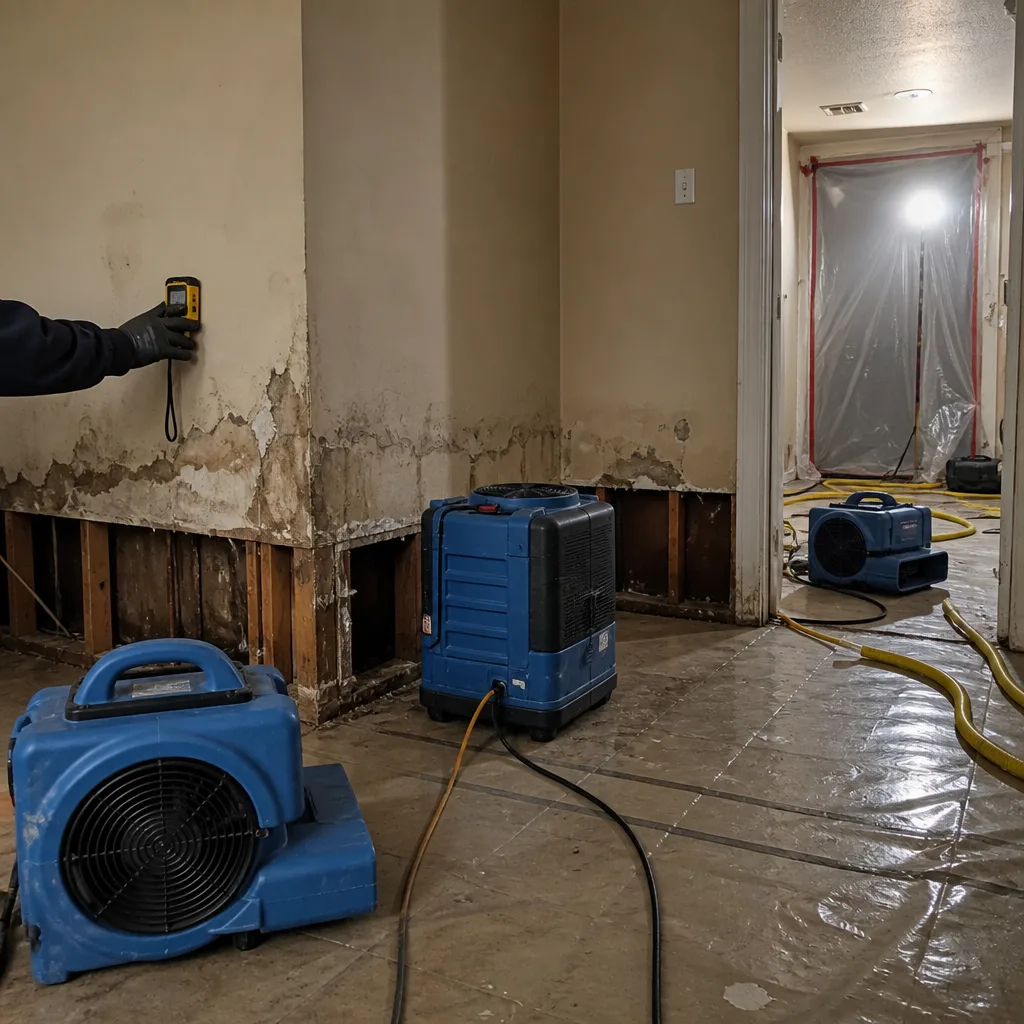 Before
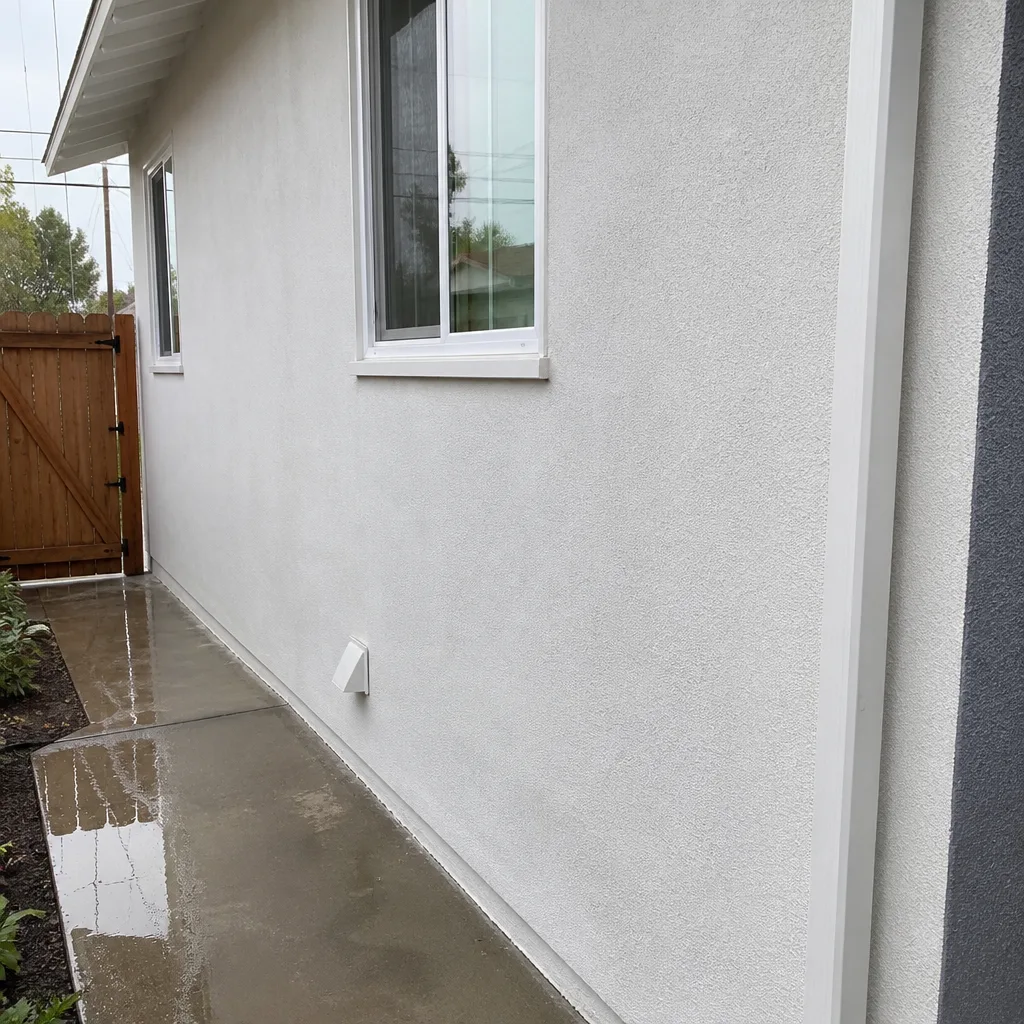 After
After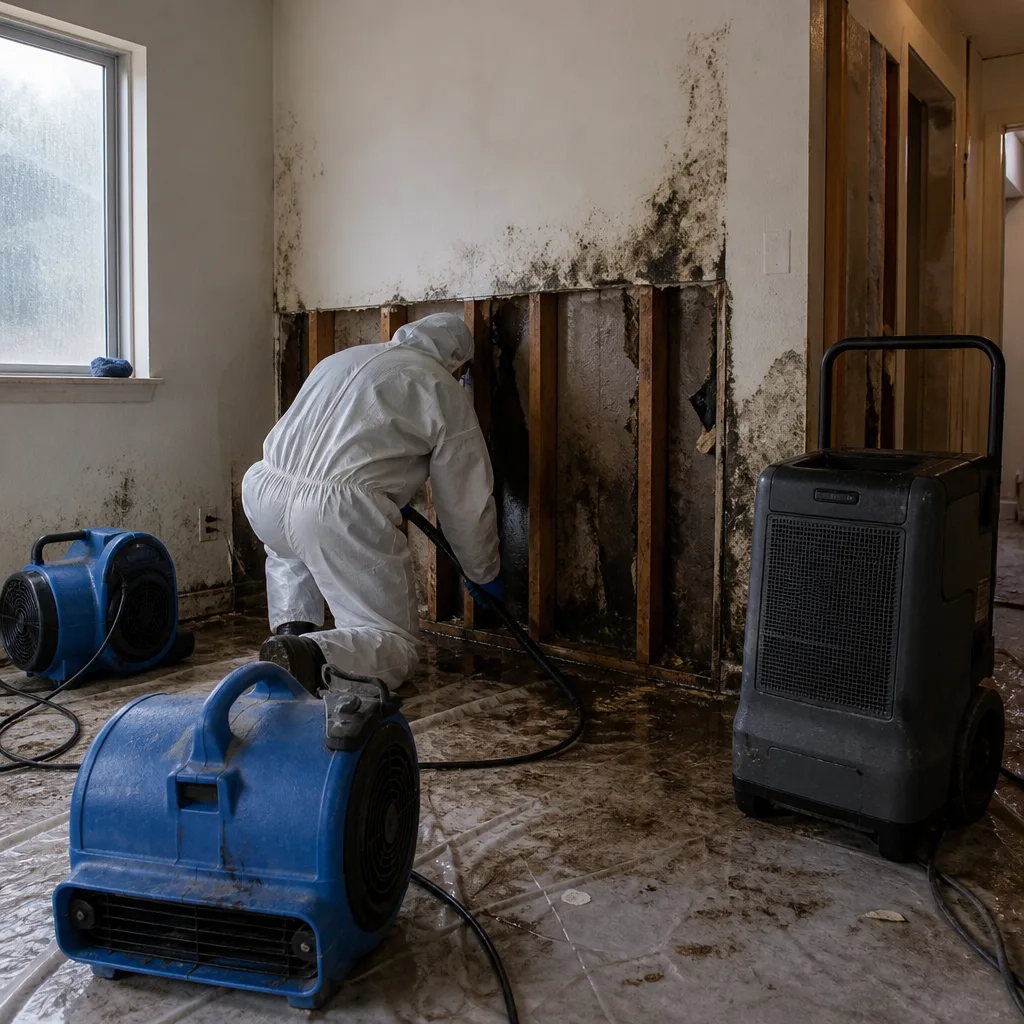 Before
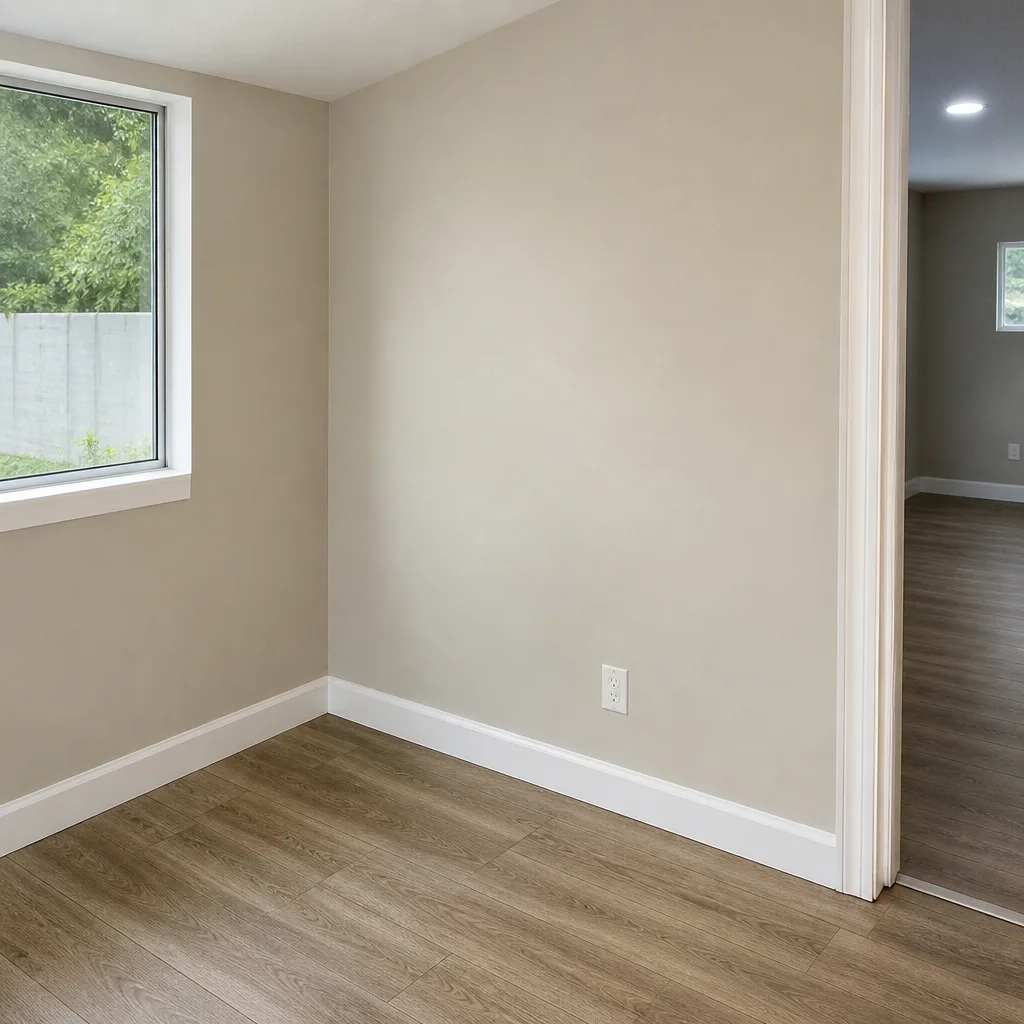 After
AfterPricing for Water Damage Restoration in Hancock Park, CA
We Also Serve Cities Near Hancock Park
Our crews serve the surrounding area, including Los Angeles, Van Nuys, Santa Monica, and West Hollywood. If you own a property in Hancock Park or one of the adjacent communities, the same written-price commitment and 365-Day Done Right Promise applies. Dispatch is coordinated from our Los Angeles office.
Serving Hancock Park, CA - Our Local Coverage Area
We’re based in the Hancock Park area and know this community well. Use the map below to see our service coverage - if you’re nearby, we can almost certainly help.
FAQs About Water Damage Restoration in Hancock Park
Does water damage restoration in Hancock Park require special permission because of the Historic Preservation Overlay Zone?
Interior water damage restoration that touches original plaster, millwork, or historic tile may need a city-approved scope of work and materials matching before repairs begin. Not every fix requires HPOZ review, but when original features are involved, we coordinate with the city’s preservation office and your adjuster to make sure the repair plan passes. Call (213) 423-6383 and we can tell you whether your specific job needs that step.
What is the risk of mold after a water leak in a 1920s Hancock Park home with original plaster and no vapor barrier?
The risk is real, because water trapped between plaster and wood lath in a wall with no vapor barrier can stay damp for weeks. Mold grows in the cavity where you cannot see it. That is why we use penetrating moisture meters and invasive probe points, not just surface readings, and why we continue drying until we can document pre-loss moisture levels throughout the affected wall.
Can you dry out original hardwood floors in a Hancock Park Tudor without replacing them?
Usually, yes, if we get to them within a day or two. The old-growth oak and fir used in 1920s Tudors dries well with weighted extraction and controlled structural drying. Cupping often lays back down as moisture levels equalize. We avoid high heat, which cracks and gaps old boards. If boards are too far gone, we match replacement flooring from the same species and cut.
How does water category affect what gets removed versus dried in an older home?
Clean water from a supply line means we can often dry and preserve original materials. Gray or black water, from a drain backup or sewage, changes the math: saturated porous materials like old carpet, pad, and possibly plaster sections must be removed for safety. We explain the category on site, using IICRC definitions, before anything is disposed of.
Will your drying equipment damage the plaster or paint in my historic Hancock Park home?
It will not if it is set up and monitored daily by people who understand period plaster. We use moderate temperature, directed airflow, and slow humidity drops, and we track moisture content in plaster, lath, and framing until each material reaches its documented pre-loss condition. During a heavy winter rain, our crew responded to a burst supply line in a 1927 Spanish Colonial on Rossmore Avenue. We used moisture mapping to track water that had wicked up the original plaster walls, then set up containment and structural drying with Dri-Eaz LGR dehumidifiers and air movers. After four days, our moisture readings matched the pre-loss condition, and we preserved the hand-painted fresco border by avoiding aggressive heat drying.
Call Dryden Restoration Los Angeles for Water Damage Restoration in Hancock Park
If water is leaking into your Hancock Park home right now, call (213) 423-6383. A live person answers 24/7. We will give you a written price before any work starts, a named arrival window, and a 365-Day Done Right Promise on every repair. No pressure, no surprises at the door. Just a local crew that knows your house and knows what it takes to dry it properly.
Written by Carl Brandt, Owner at Dryden Restoration Los Angeles, an independently owned and operated Kingswell company.