

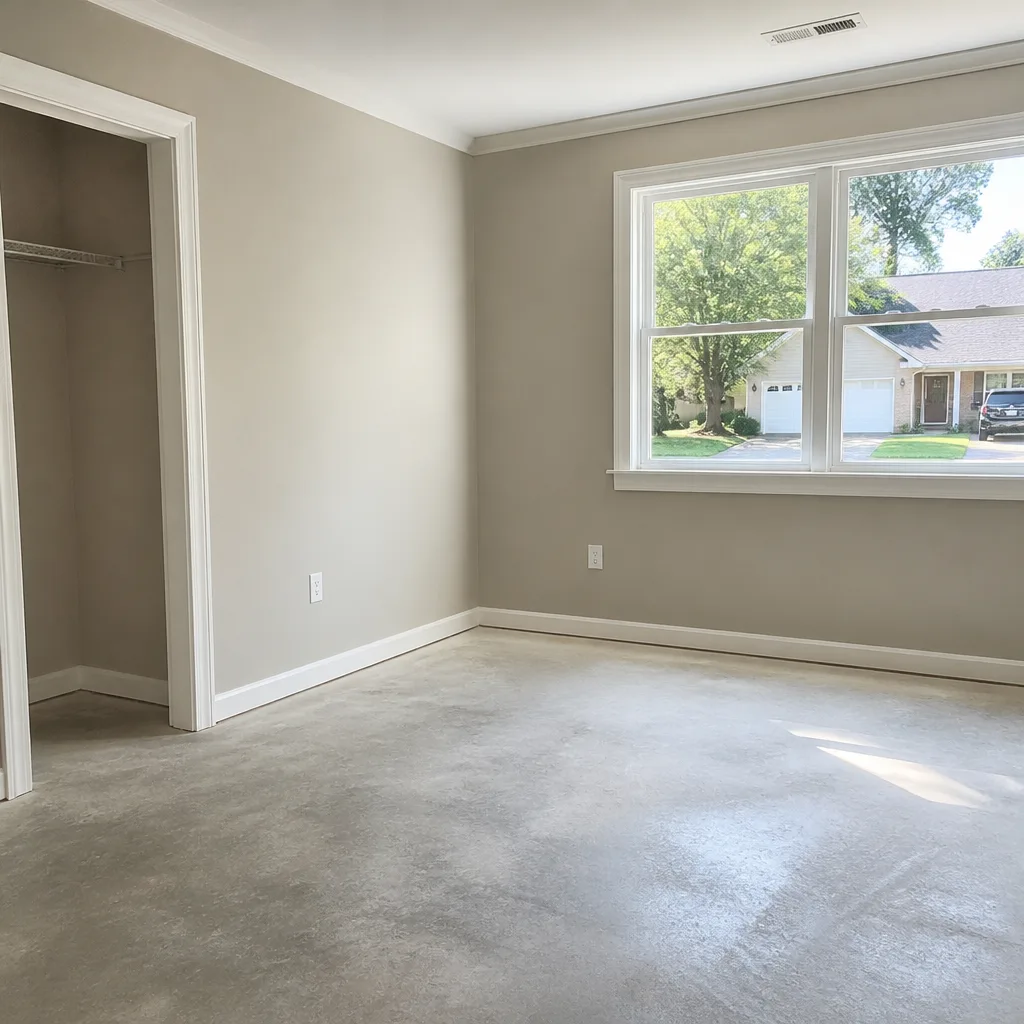
 Mold remediation
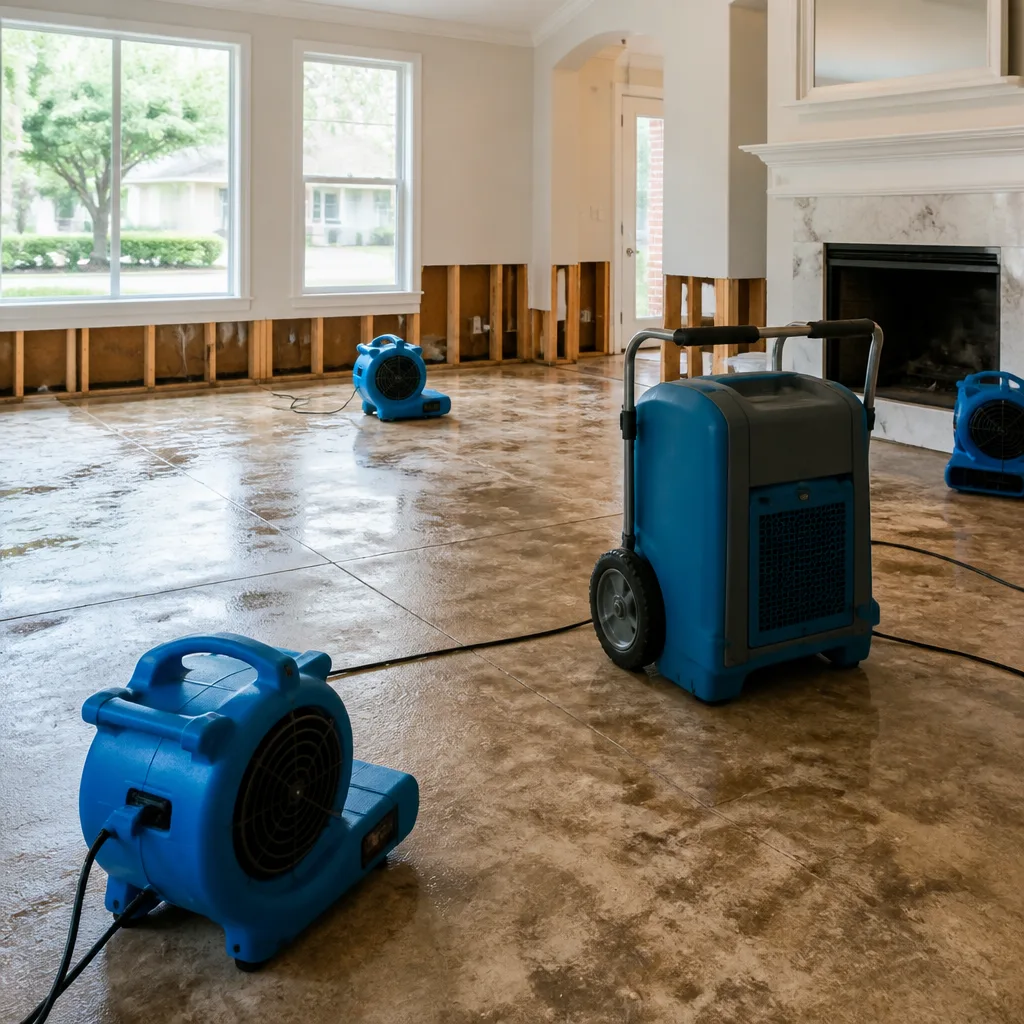 Water damage drying
 Fire & smoke cleanup
 Storm response
 Sewage cleanup
 Reconstruction
Free visual inspection and a written scope of work before any mitigation begins - photos, moisture readings, and drying logs go in your claim file
The scope we write is the scope we bill. Anything new gets shown to you, in writing, before we touch it.
Get your free estimateFast, Reliable Mold Remediation Across Hancock Park
Mold remediation in Hancock Park typically costs between $1,800 and $6,500 depending on the size of the affected area, the type of mold, and whether original plaster or millwork needs preservation. Most jobs in Hancock Park are completed within 3 to 7 days, with emergency containment available same-day for active water loss. If you’ve found mold in a 1920s Spanish Colonial or Tudor Revival home, call (213) 423-6383 and we’ll give you a written scope before any tool touches a wall.
Hancock Park isn’t like other Los Angeles neighborhoods. The housing stock was built between 1919 and 1939, and the walls that make these homes beautiful are also what make mold remediation here so particular. We know the difference between a wall we can treat in place and one that needs HPOZ review before removal. That knowledge changes how we approach every job from the first phone call to the final moisture reading.
Why Dryden Restoration Los Angeles Is Hancock Park’s Preferred Mold Remediation Company
We’re an independently owned and operated Kingswell company, and we’ve been doing restoration work since 2005. Carl Brandt leads our team, and the same crew that shows up at your door is the one that answers your questions about psychrometric drying, RH (relative humidity, or how much moisture is suspended in the air), and why we set containment the way we do. No salesperson, no subcontractor shuffle.
Hancock Park homeowners call us because we put the price in writing before work starts. Not an estimate that drifts upward once the crew is inside. The number we agree on is the number you pay. That’s the Kingswell Way, and it applies to every Mold Remediation job we do here, from a small bathroom bloom to a full crawlspace treatment under a pier-and-beam foundation.
Our response time to Hancock Park is consistent: a live person answers at (213) 423-6383, 24 hours a day, 7 days a week. We schedule a named arrival window, and our technicians show up in Dryden uniforms, background-checked and ready to walk through the problem with you. When you’ve been burned by a no-show contractor before, that matters.
Restoration work we handle
Mold Removal Specialist in Hancock Park
Mold Removal Specialist work in Hancock Park means treating mold in homes where the building fabric itself is historic. We’re often removing mold from behind original lath-and-plaster walls, under hardwood floors that have no subfloor moisture barrier, and inside wall cavities where galvanized steel supply pipes have been quietly leaking for months. A mold removal specialist here does more than cut out drywall; we map moisture paths, dry in place when possible, and preserve what’s architecturally significant.
For a typical mold removal job in Hancock Park, you’ll pay between $2,200 and $4,800. Smaller contained areas like a bathroom ceiling run $1,800 to $2,600. Larger jobs affecting multiple rooms with HPOZ-sensitive plaster work can reach $6,500 or more when supplemental review is triggered.
Containment and Air Scrubbing
Before we touch mold, we set up containment. That means 6-mil poly sheeting, negative air pressure, and HEPA air scrubbers to keep spores from drifting into undamaged rooms. In a 1920s Hancock Park house with original unpainted woodwork, this step keeps the rest of the home from becoming a secondary damage zone.
Moisture Mapping Before Demolition
We use thermal imaging and moisture meters to trace the water path before opening walls. This matters in Hancock Park because original plaster can hide a moisture column that runs several feet above a small ceiling stain. Treating only the visible mold without addressing the hidden moisture source guarantees the mold returns.
Black Mold Removal in Hancock Park
Black Mold Removal in Hancock Park usually refers to Stachybotrys chartarum, a slow-growing mold that thrives in continuously wet cellulose materials like the wood lath behind original plaster. Hancock Park homes built with solid stucco over wood lath are particularly vulnerable: the stucco holds exterior moisture, and the lath behind the plaster gives black mold exactly what it wants to eat.
Black mold removal here costs more than standard mold treatment. A Stachybotrys remediation in a Hancock Park home typically runs $3,500 to $6,500, because the source is almost always a hidden ongoing leak, and the affected area is usually larger than what you can see. The removal itself involves full containment, HEPA vacuuming, and often the removal of materials that can’t be economically cleaned.
Source Repair Before Remediation
If black mold is growing behind a stucco wall, we find the leak first. Galvanized steel supply pipes from the original build are often the culprit, corroded from the inside out with pinhole leaks that drip for months before anyone notices. Remediating without fixing the pipe is waste of your money.
Documenting HPOZ-Exposed Surfaces
We photograph and document the pre-loss condition of every original wall, arch, and plaster detail before containment goes up. If a Hancock Park homeowner later faces an HPOZ dispute about what was removed and why, those photos and our drying logs become evidence. We’ve learned this the hard way, and now it’s standard practice on every job in the district.
Trusted Brands We Service in Hancock Park
Our equipment fleet includes Dri-Eaz, Phoenix, XPOWER, B-Air, and Injectidry systems, and we stock the HEPA filters, containment supplies, and drying parts to service Hancock Park homes without waiting on a distributor. Dri-Eaz and Phoenix dehumidifiers are workhorses for the large wall cavities in 1920s construction, while XPOWER and B-Air air movers give us the airflow control we need in tight crawlspaces and basement areas. Injectidry systems are what let us dry wall cavities from the inside without tearing out original plaster. These are the same professional-grade machines used by commercial restoration crews, and we explain what each piece is doing in plain English if you ask.
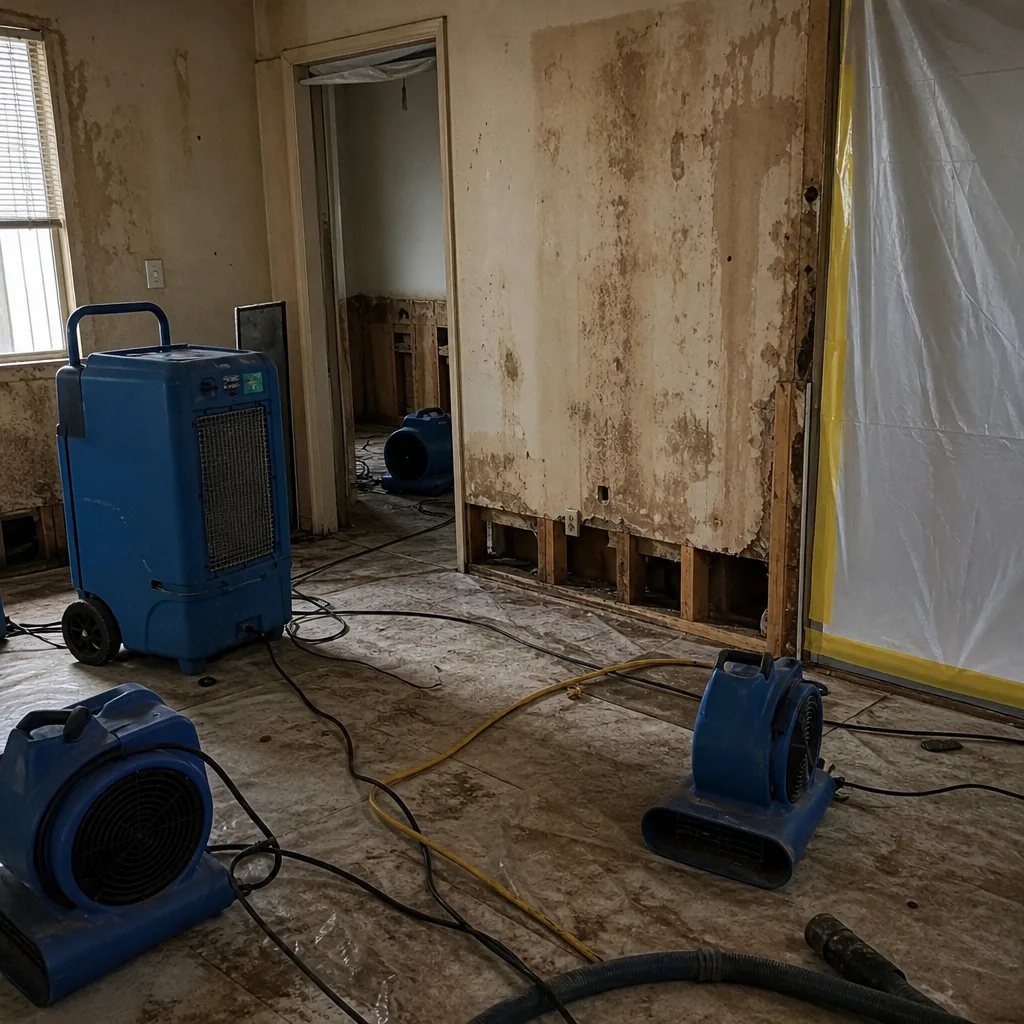
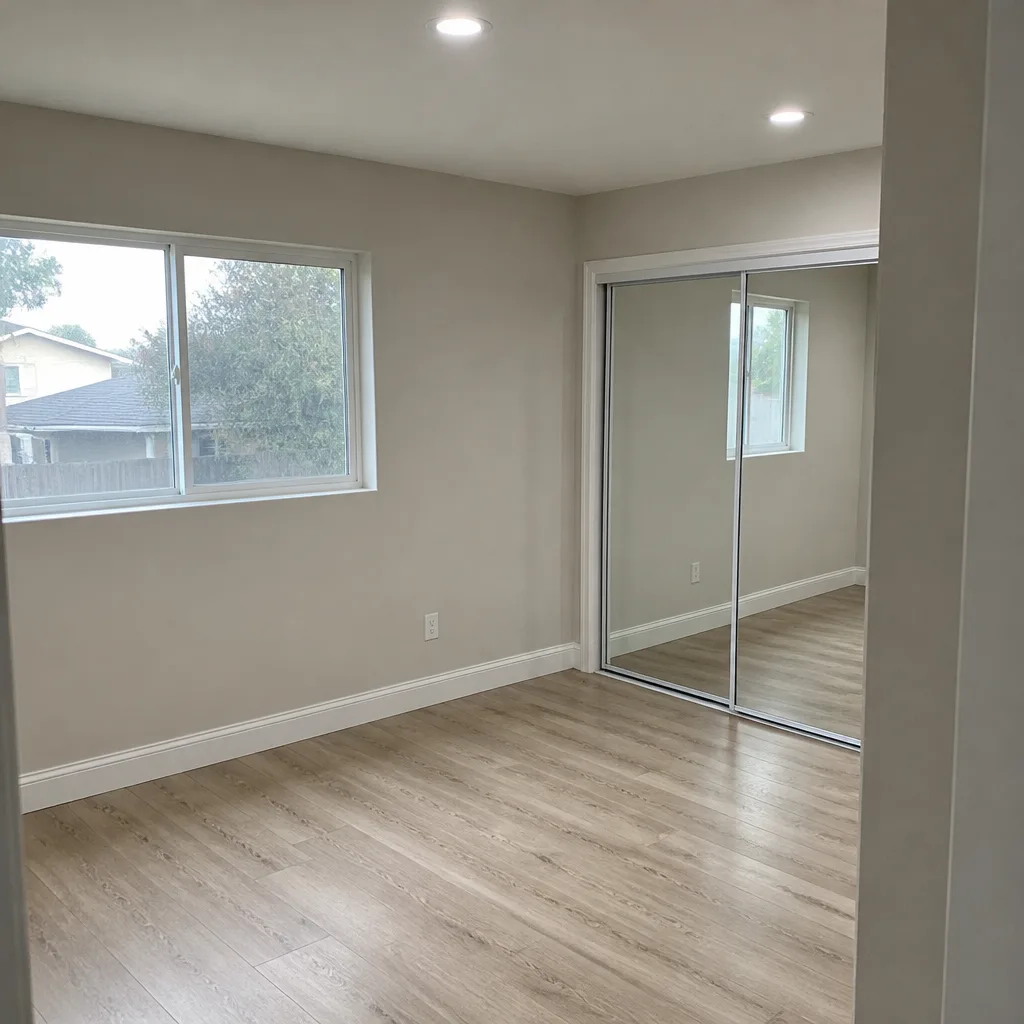
See the difference
 Before
 After
After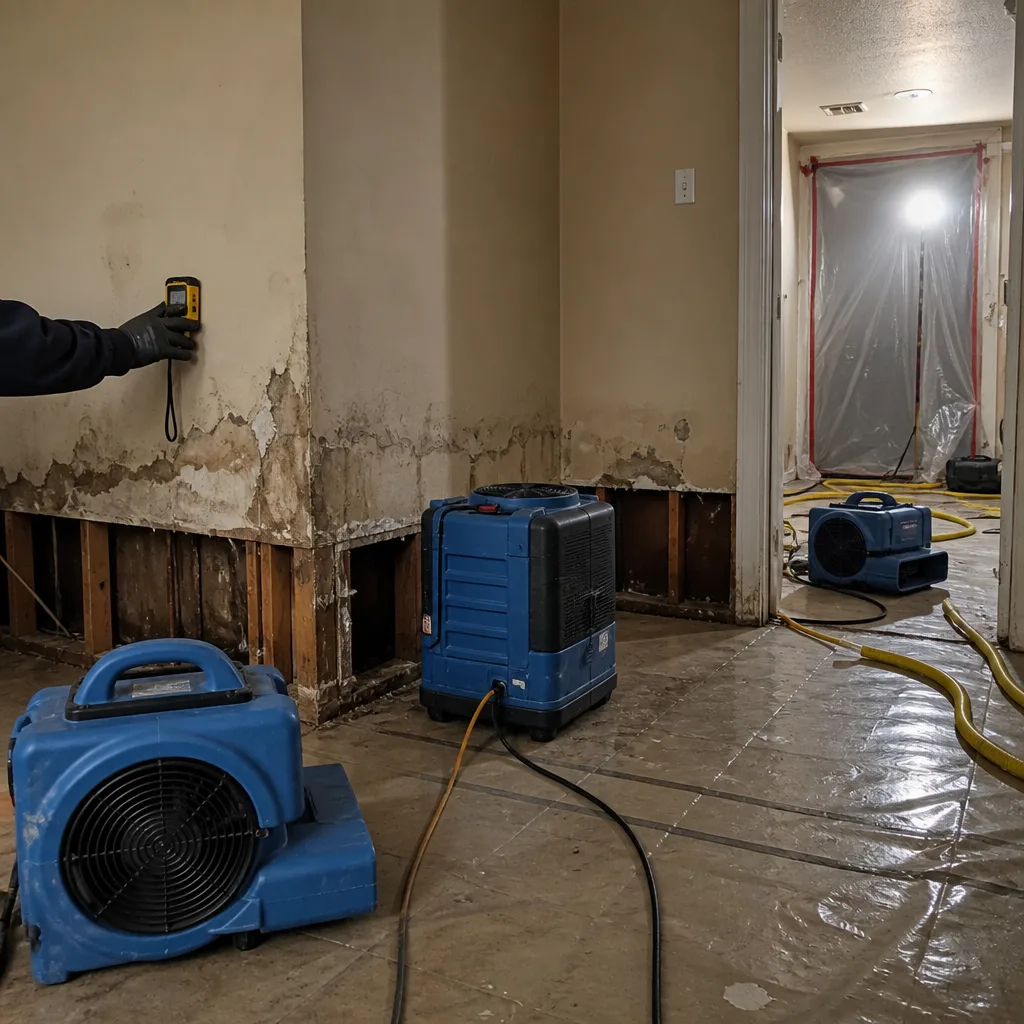 Before
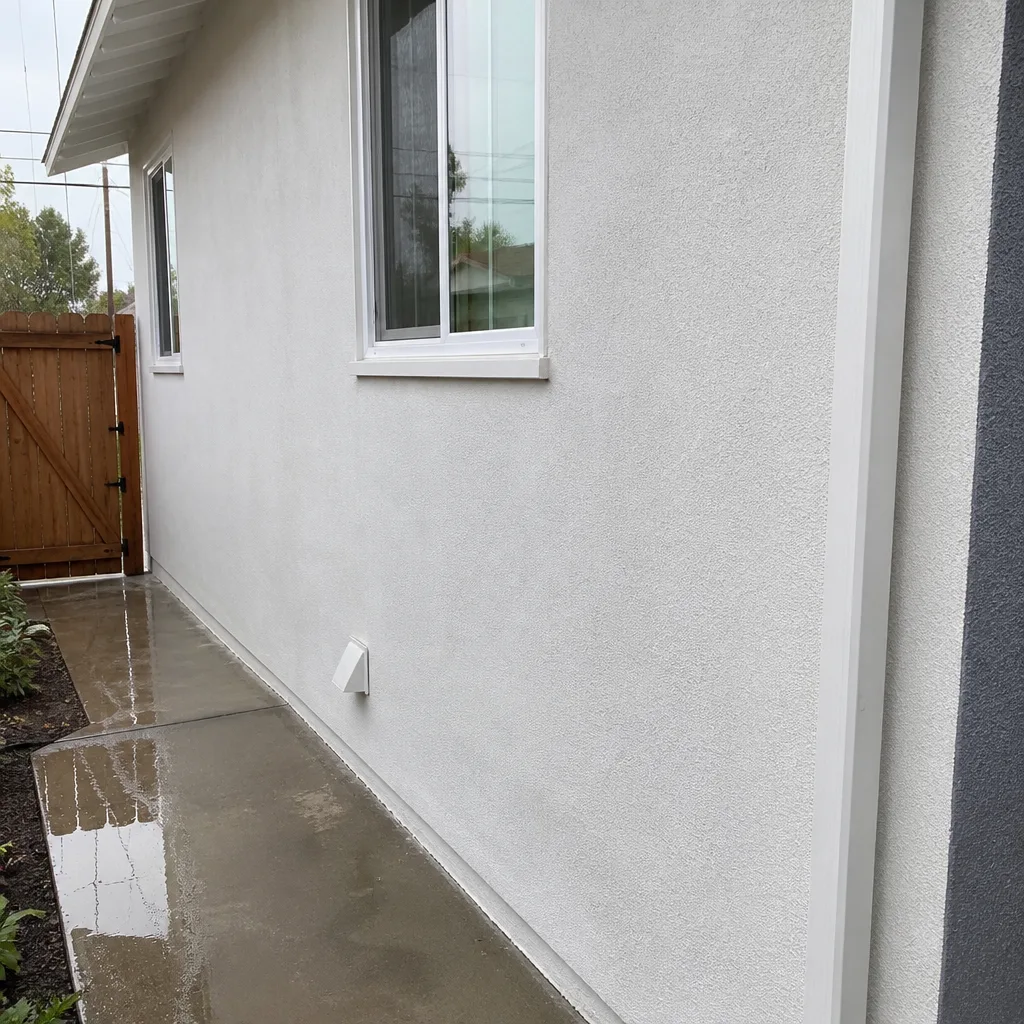 After
After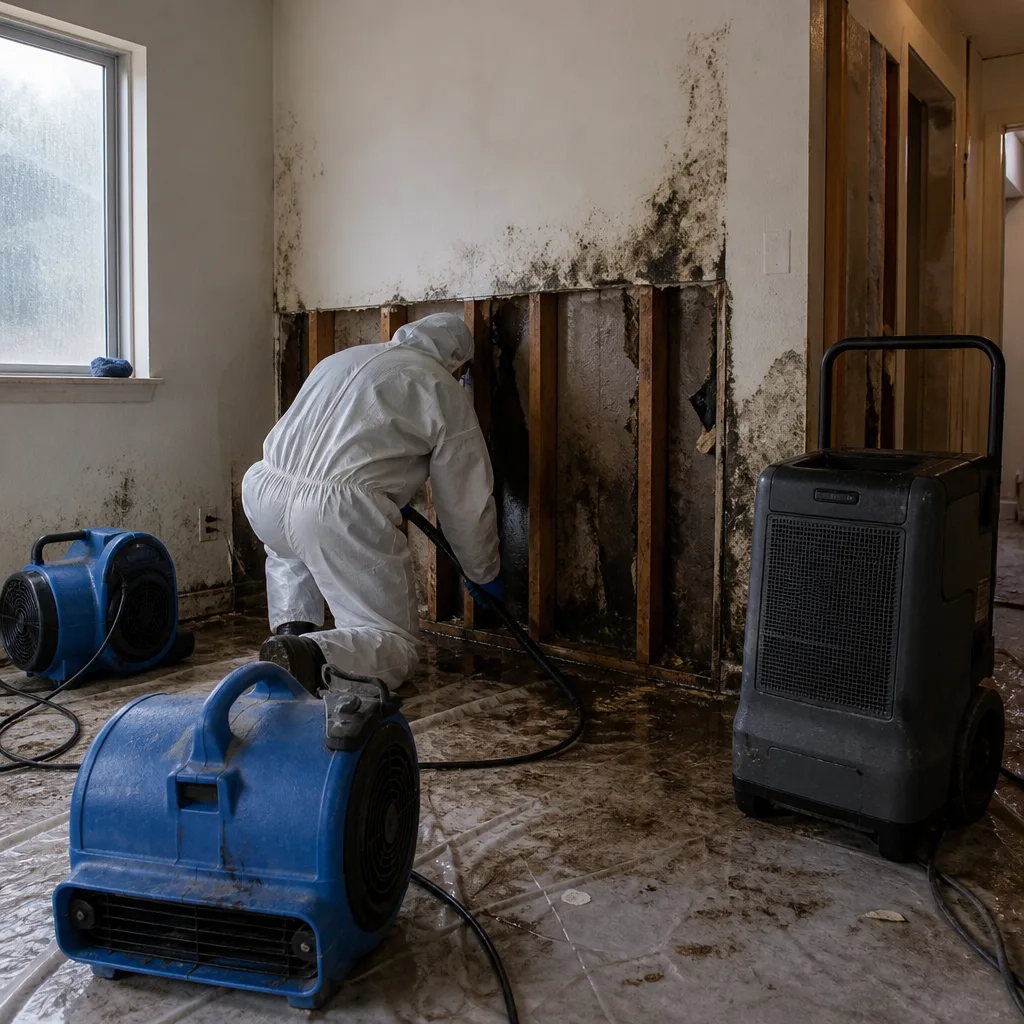 Before
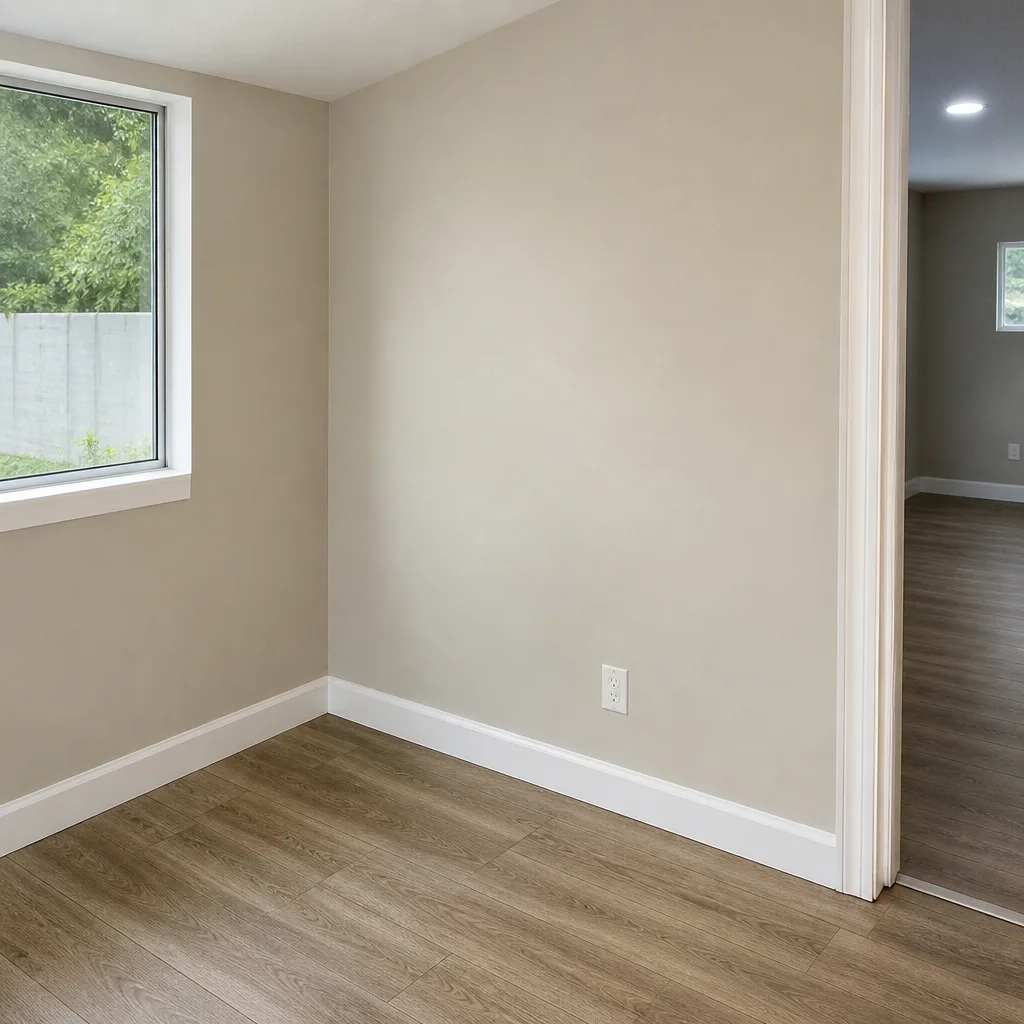 After
AfterCommon Mold Remediation Problems We See in Hancock Park Homes
- Unseen moisture behind solid stucco walls. Hancock Park’s stucco-over-lath construction hides pinhole leaks in galvanized supply pipes for months. By the time mold shows on an interior surface, the wall cavity behind it has been wet long enough to support significant growth.
- Over-drying original plaster. Standard air movers running at full power can crack 1920s un-reinforced plaster and blow spores into undamaged rooms. We adjust airflow and drying rates specifically for historic plaster to avoid making the remediation worse than the mold.
- Failure to document pre-loss condition. Without photos of original plaster and millwork before remediation begins, a Hancock Park homeowner can be left exposed during HPOZ disputes over what required removal. We document everything, and our drying logs become the record.
- Mold recurrence from untreated crawlspaces. Pier-and-beam foundations are common in Hancock Park, and many crawlspaces lack proper vapor barriers. Mold in a living space often traces back to humidity in the crawlspace, and treating one without the other means the problem returns.
Pricing for Mold Remediation in Hancock Park, CA
Mold remediation in Hancock Park runs from about $1,800 for a contained bathroom or closet bloom to $6,500 or more for multi-room black mold removal requiring HPOZ-sensitive plaster preservation. Mold inspection and testing runs $350 to $600, which includes air samples and lab analysis. Crawl space treatment typically falls between $2,000 and $4,800, and full air quality restoration after remediation runs $800 to $1,500 depending on square footage.
The two factors that affect Hancock Park pricing most are whether original plaster can be dried in place or must be removed, and whether the moisture source requires pipe or drainage repair that’s outside the mold scope. We’ll walk you through the line items before work starts. Estimates are free. Call (213) 423-6383.
We Also Serve Cities Near Hancock Park
Beyond Hancock Park, our crews serve Mold Remediation in Hancock Park neighbors across Los Angeles, Van Nuys, Santa Monica, and West Hollywood. If you’re in one of those areas, call (213) 423-6383 and we’ll get you scheduled. Same written price, same 365-day guarantee.
Serving Hancock Park, CA - Our Local Coverage Area
We’re based in the Hancock Park area and know this community well. Use the map below to see our service coverage - if you’re nearby, we can almost certainly help.
FAQs About Mold Remediation in Hancock Park
Not for the remediation itself, but if the work requires removing original plaster, trim, or other character-defining features, the HPOZ review process may require supplemental documentation before demolition proceeds. In many cases, our moisture mapping and drying logs show that full removal isn’t necessary, which keeps the job in the no-permit category. If removal is unavoidable, we’ll coordinate with the city on documentation before we cut anything.
The main difference is that newer homes use drywall, which is cheap to cut out and replace. Original plaster in a Hancock Park Tudor is hand-troweled over wood lath, often with decorative profiles, and replacing it changes the character of the home. Our approach favors drying in place using Injectidry cavity-drying systems, which means injecting controlled air into the wall cavity to dry it from the inside, rather than demolishing the plaster face. It takes longer but preserves the architecture, and in an HPOZ home that’s usually the right call.
Yes, and it happens regularly. Stucco over wood lath creates a wall cavity that absorbs water from the outside or from leaking supply pipes on the inside. Mold can grow inside that cavity for months before any staining appears on interior plaster, especially in Hancock Park homes with original unpainted plaster that hides early discoloration. Thermal imaging and moisture meters are how we find it before opening walls.
Water category refers to the cleanliness of the water source. Category 1 is clean water from a supply line; Category 2 is soapy or dishwater runoff; Category 3 is sewage or floodwater. In a Hancock Park basement, a Category 1 supply line pinhole leak that wicks upward can still become a major mold source within 48 hours if the relative humidity stays high. Category 3 requires different containment and disposal because the water itself carries bacteria and pathogens, and treating it like clean water spreads contamination.
Under the right conditions, mold can begin growing within 24 to 48 hours on the underside of original hardwood flooring when moisture has wicked up from a pier-and-beam crawlspace. Hancock Park homes without subfloor moisture barriers hold that moisture for weeks, and by day 7 you’re often dealing with established colonies that require floor-over-air drying or selective board replacement. If you suspect a leak, call (213) 423-6383 immediately; fast drying is the difference between a cleaning job and a replacement job.
Written by Carl Brandt, Owner at Dryden Restoration Los Angeles.