
 Mold remediation
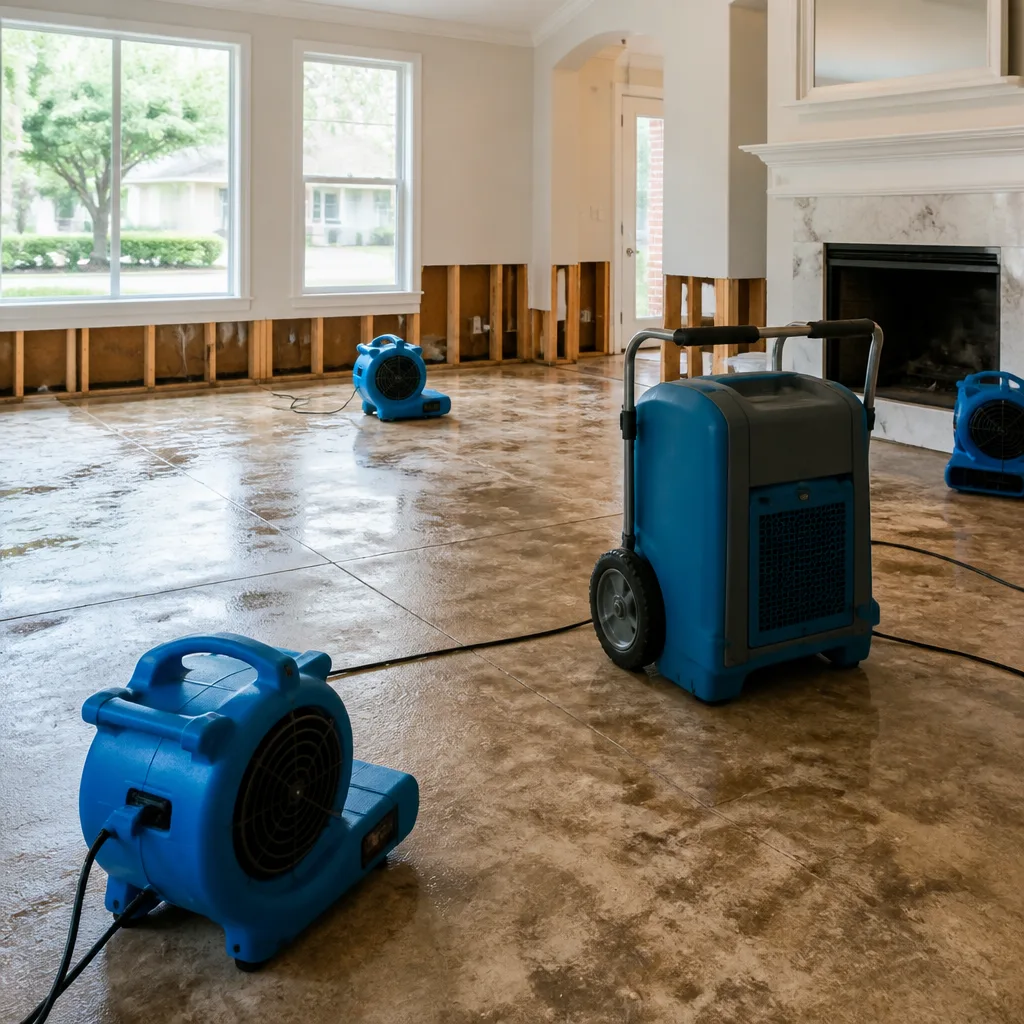 Water damage drying
 Fire & smoke cleanup
 Storm response
 Sewage cleanup
 Reconstruction
Free visual inspection and a written scope of work before any mitigation begins - photos, moisture readings, and drying logs go in your claim file
The scope we write is the scope we bill. Anything new gets shown to you, in writing, before we touch it.
Get your free estimateFast, Reliable Mold Remediation Across Los Angeles
Mold remediation in Los Angeles typically costs $1,500 – $6,500 depending on square footage, containment needs, and whether the colony has spread behind walls or under slab floors. Most jobs we handle in Los Angeles are scheduled within 24 to 48 hours of the initial inspection, with emergency mitigation for active water intrusion dispatched the same day. If you’re seeing dark staining on walls near baseboards, smelling musty air that won’t clear, or noticing warped flooring in a 1950s Valley home, call us at (213) 423-6383. Our Los Angeles crews are on the road in this city every day, and we know exactly what local building conditions create the mold problems homeowners here face.
Why Dryden Restoration Los Angeles Is Los Angeles’s Preferred Mold Remediation Company
We’re an independently owned and operated Kingswell company, and we’ve built our Los Angeles reputation on something simple: a written price before a tool is touched, a named arrival window, and a 365-Day Done Right Promise that’s actually documented. Homeowners in this city have been burned before by contractors who no-showed or changed the number at the door. Carl Brandt leads our team, and the standard he set from day one is that the price we quote in writing is the price you pay. If a covered repair fails within a full year, we come back and make it right at no charge. That’s not a slogan. It’s in writing on every job we do in Los Angeles.
Our technicians are background-checked and uniformed, so when we arrive at a home in Van Nuys or Silver Lake, you know exactly who’s walking through your door. We run professional-grade equipment from Dri-Eaz, Phoenix, B-Air, and Injectidry, and our work aligns with IICRC, RIA, and IFA standards. Those are the damage-restoration industry’s recognized benchmarks for training and ethics, and we explain what they mean in plain English before we start. A live person answers our phones 24 hours a day, 7 days a week. Not a voicemail, not a call-back queue. When you call (213) 423-6383 at 2 a.m. because a water heater let go over a hallway slab, a real human picks up.
Restoration work we handle
Mold Removal Specialist in Los Angeles
A Mold Removal Specialist in Los Angeles handles something specific: the physical removal of active mold colonies, not just surface cleaning that leaves roots alive in drywall, wood, or plaster. In this city’s older housing stock, that distinction matters more than in most places, because mold here often hides behind original plaster walls or under slabs where it keeps growing after a cosmetic wipe-down. When a homeowner calls us after scrubbing a bathroom ceiling three times and watching the stains return, the real problem is usually moisture trapped inside the wall cavity, feeding mold you can’t see. A specialist’s job is to find the moisture source, contain the affected area, remove contaminated material, and dry the structure to the point where spores can’t re-establish.
A typical mold removal project in Los Angeles runs $1,500 – $4,000 for a contained bathroom or closet, $3,500 – $6,500 when it spreads across multiple rooms or into subfloor framing. We give you that range in writing before we start, and the number doesn’t change at the door.
Containment and Air Handling
Before any drywall comes out, we set up negative-air containment with HEPA-filtered exhaust so disturbed spores don’t migrate into hallways, bedrooms, or your HVAC return. In Los Angeles hillside homes, this step is non-negotiable during Santa Ana wind season, when negative pressure outside can pull indoor air through open windows and carry disturbed mold into rooms we haven’t touched. We explain the containment plan before we tape the first sheet of poly, and we show you the air-scrubber readings when the job is done.
Moisture Mapping Before Demolition
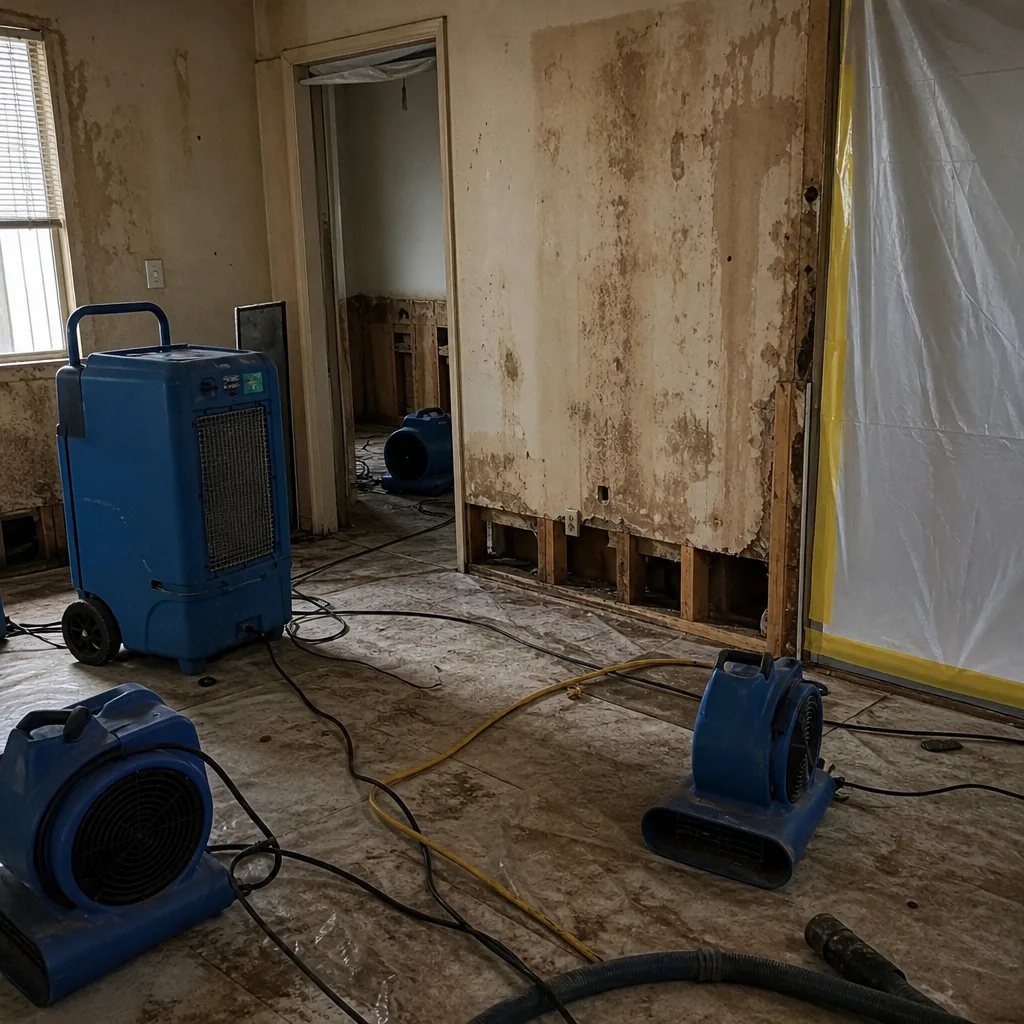
We don’t cut into a wall because it looks wet. We run thermal imaging and moisture meters across the affected area plus adjacent wall cavities and the floor beneath. In Los Angeles slab homes, hidden moisture often travels horizontally under base plates, so a bathroom leak can quietly feed mold in a hallway 8 feet away. The mapping tells us exactly how far demolition needs to go to get ahead of the colony, not just what’s visibly stained today.
Black Mold Removal in Los Angeles
Black Mold Removal in Los Angeles means removing Stachybotrys chartarum and other toxigenic mold species that thrive on chronically wet cellulose materials like drywall, paper backing, and wood framing. Los Angeles homeowners most often encounter it after slow, hidden leaks: a cracked cast-iron drain line under a 1958 slab, a pinhole in a galvanized supply pipe inside a plaster wall, or a roof leak that dripped into an attic for months before staining appeared on a ceiling. The dark color isn’t what makes it dangerous; it’s the mycotoxins these species can release, which is why undisturbed black mold behind a wall is a time bomb and a homeowner without respiratory protection should never open that wall themselves. Removal requires full containment, HEPA air scrubbing, and careful material disposal under regulated procedures.
Black mold remediation in Los Angeles runs $2,500 – $6,500 depending on colony size and material replacement. If structural framing is involved, costs can reach higher, and we’ll put that number in writing before we begin.
When Testing Confirms Stachybotrys
We work with independent labs when a homeowner wants species identification, and we interpret the report in plain English, not lab jargon. If Stachybotrys comes back positive, our protocol tightens: full containment with critical barriers, personal protective equipment, and removal of porous materials rather than attempted cleaning. Drywall, insulation, and carpet pad are removed and bagged. Solid framing and concrete get wire-brushed, HEPA-vacuumed, and treated with antimicrobial, then we verify dryness with moisture meters before any rebuild.
Crawl Space and Subfloor Black Mold
Los Angeles homes built before 1960 often have raised foundations with crawl spaces, and black mold beneath a house usually points to a drainage problem: sprinklers hitting the foundation, a missing vapor barrier, or a plumbing leak in the subfloor. We treat the mold and the cause, which usually means repairing the drainage issue or the leak before remediation means anything. A crawl space job under a 1,200-square-foot home in Los Angeles typically starts around $1,800 for accessible contamination and goes up when the space is tight or the joists need structural attention.
Trusted Brands We Service in Los Angeles
We run professional-grade drying and air-scrubbing equipment from Dri-Eaz, Phoenix, B-Air, and Injectidry, the same machines large commercial restoration crews use on big losses. For Los Angeles homeowners, that matters because our drying setups are sized correctly for slab-on-grade construction and older plaster assemblies, which dry differently than modern drywall. We stock replacement components for those units, so a failed sensor or a worn pump doesn’t stall your job waiting on a parts shipment. When we set up Injectidry systems for drying inside wall cavities after a slab leak in a Van Nuys ranch, that equipment is calibrated for the specific cavity depth and plaster thickness we encounter in Los Angeles’s mid-century housing stock.
Common Mold Remediation Problems We See in Los Angeles Homes
- Hidden slab leaks in San Fernando Valley ranch homes. Many 1950s-era Valley tract houses still have original cast-iron drain lines under the slab, and those pipes crack during seismic events. The result is persistent moisture under flooring that feeds mold colonies nobody can see until warping or odor gives it away.
- Mold behind original plaster in Craftsman and Spanish Colonial homes. Early 20th-century homes across Los Angeles have plaster over wood lath, and when a leak saturates that assembly, mold grows on the lath and plaster keys. Surface cleaning can’t reach it, and guessing wrong about how far to open the wall means the colony comes back.
- Santa Ana wind pressure driving spore spread during containment. Hillside homes in neighborhoods like Mount Washington and Baldwin Hills feel real negative pressure when wind blows down the canyons, and an untaped seam in a containment barrier can pull disturbed spores through the house in minutes. We run air-scrubber differentials before disturbance and monitor them throughout the job.
- Knob-and-tube wiring intersecting remediation areas. Older Los Angeles homes frequently still have active knob-and-tube circuits in walls and attics, and cutting into those cavities during mold removal creates an electrical hazard and a code issue. We identify live circuits before demolition and coordinate with a licensed electrician when remediation touches wire paths.
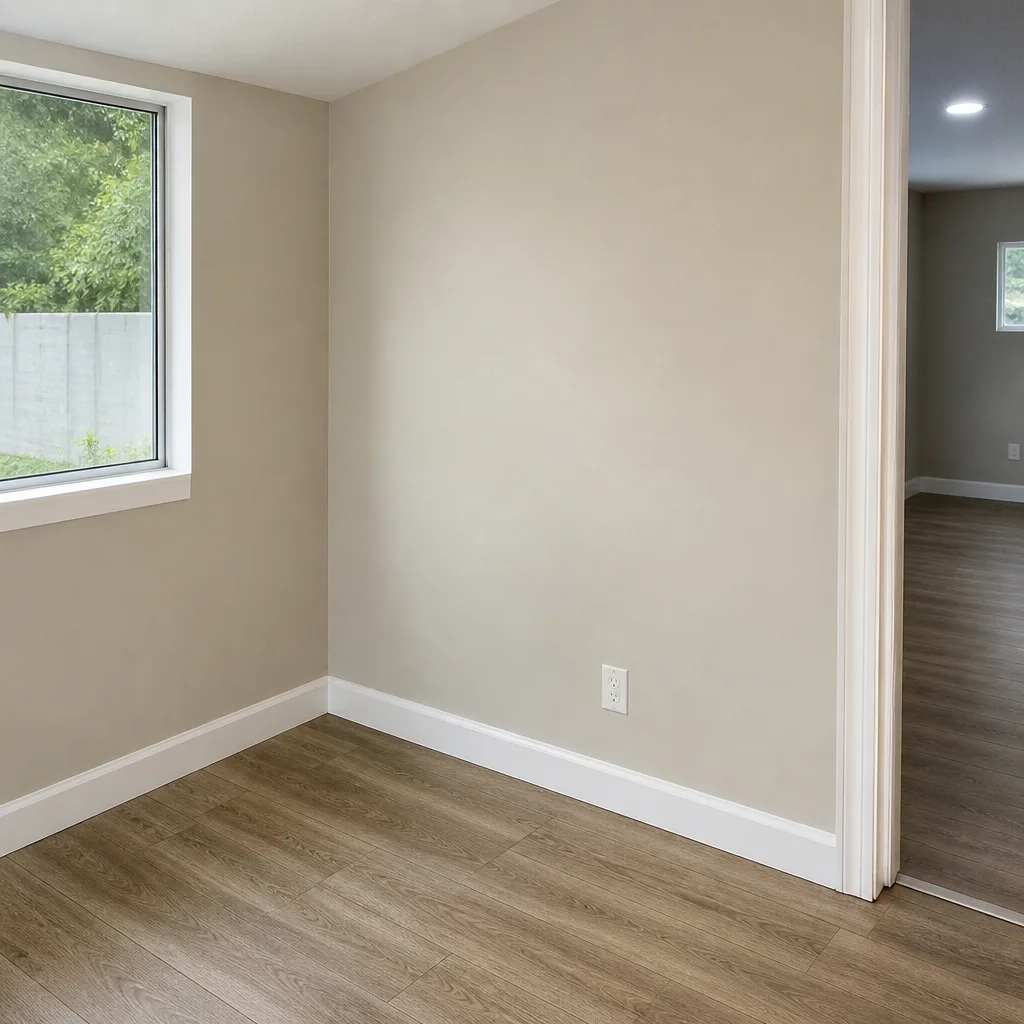
See the difference
 Before
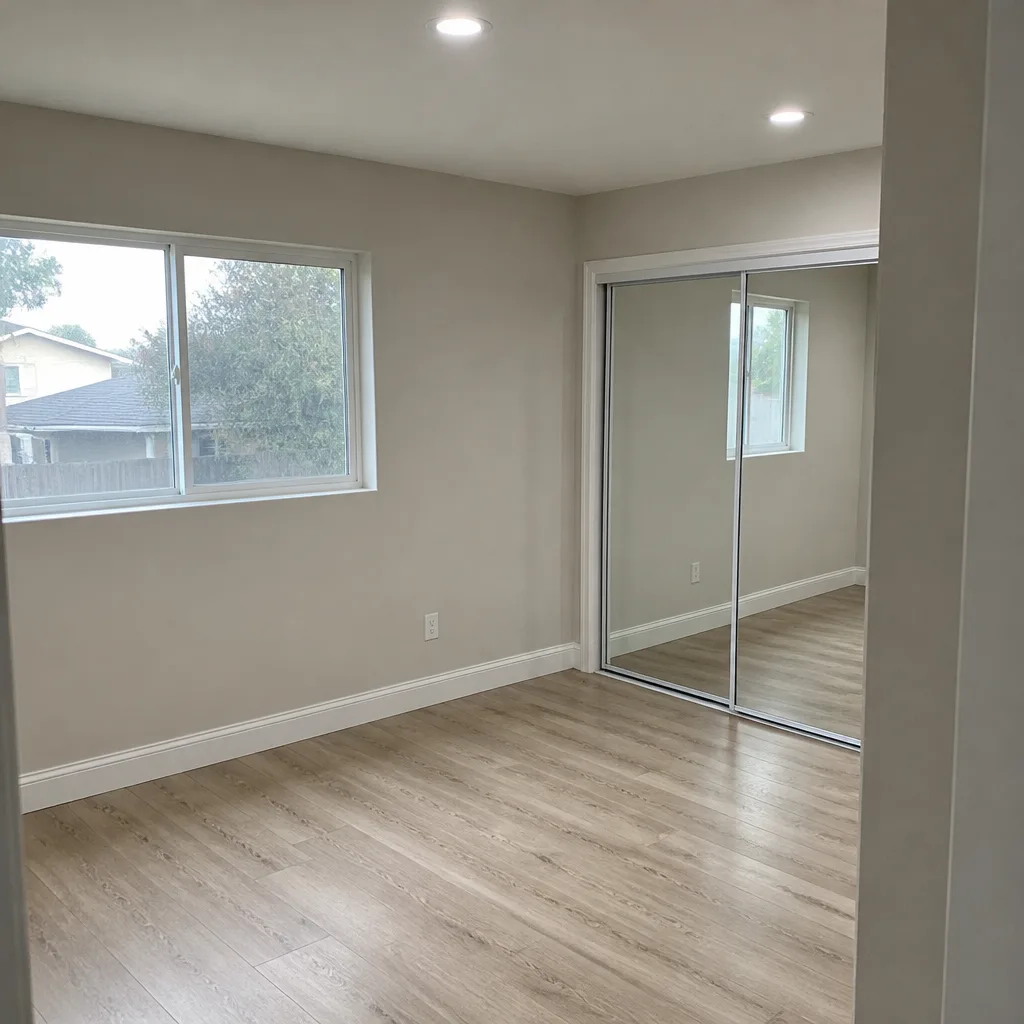 After
After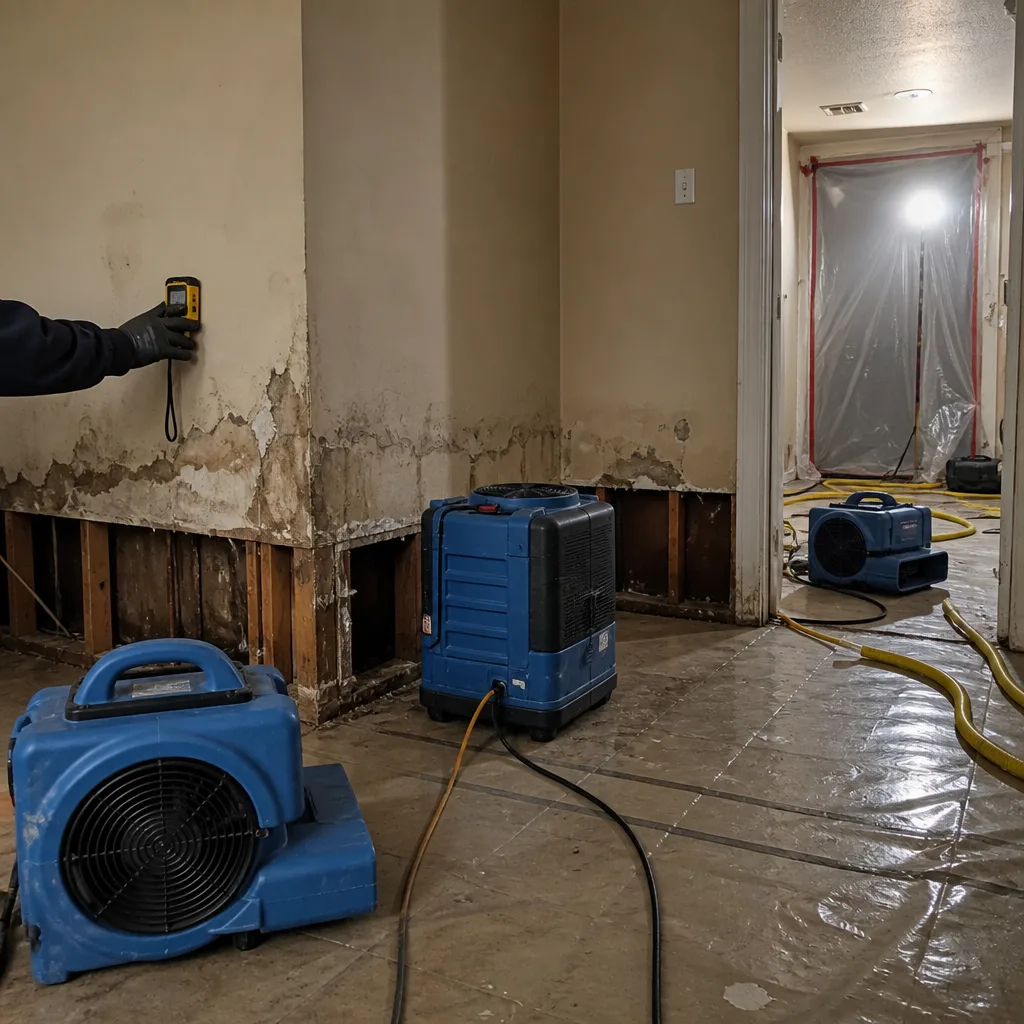 Before
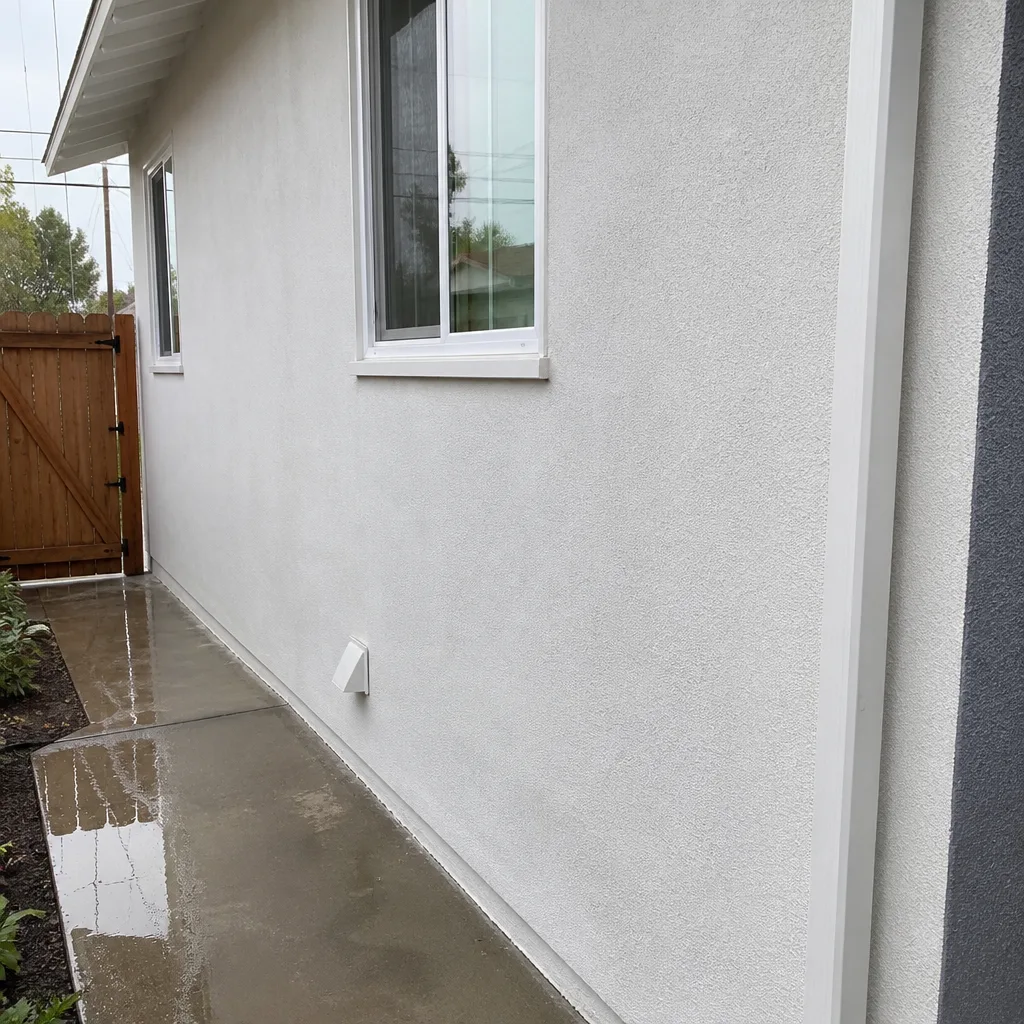 After
After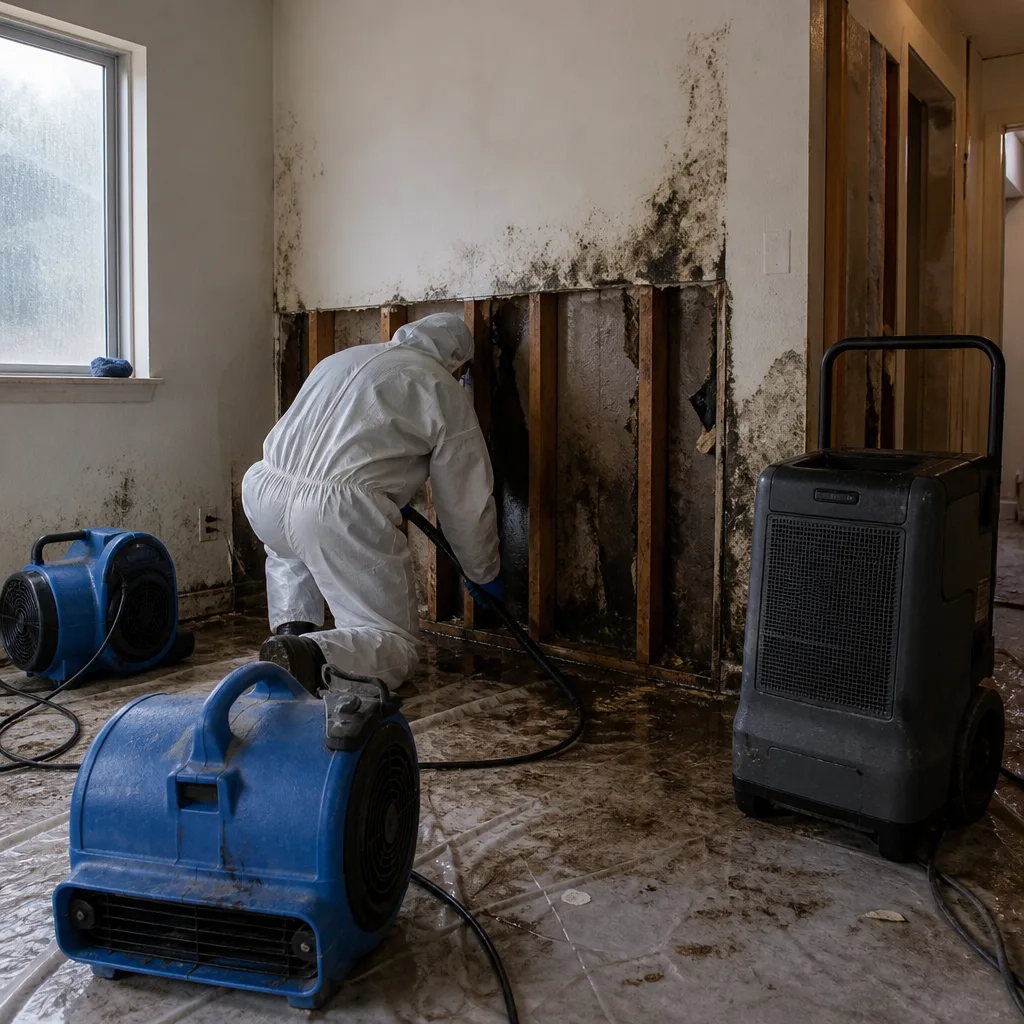 Before
 After
AfterPricing for Mold Remediation in Los Angeles, CA
We Also Serve Cities Near Los Angeles
Our Los Angeles crews also handle mold remediation in Maywood, Bell Gardens, Compton, and Lawndale. If you’re in one of those communities and dealing with a musty odor, water-stained drywall, or mold that keeps returning after cleaning, the same written pricing and 365-Day Done Right Promise apply. Learn more about our Mold Remediation process and what to expect when we arrive.
Serving Los Angeles, CA - Our Local Coverage Area
We’re based in the Los Angeles area and know this community well. Use the map below to see our service coverage - if you’re nearby, we can almost certainly help.
FAQs About Mold Remediation in Los Angeles
Yes. Los Angeles’s older slab homes, especially 1950s-era tract houses in the San Fernando Valley, sit on original cast-iron drain lines that crack during even minor earthquakes. Those cracks release slow, hidden water into the slab and subfloor, creating persistent moisture that feeds mold colonies behind walls and under flooring. We routinely find elevated moisture readings in hallway slabs after quakes in the magnitude 3.5 – 4.5 range, and the mold has usually been growing for months before anyone notices. If you’ve felt a quake and then noticed a musty smell or warped flooring weeks later, call (213) 423-6383 and we’ll moisture-map the slab before visible mold appears.
If remediation requires opening walls or ceilings where active knob-and-tube wiring runs, Los Angeles building code requires that electrical work be performed by a licensed electrician, and depending on the scope, a permit may be required through the Los Angeles Department of Building and Safety. Mold removal itself doesn’t always trigger a permit, but any structural repair or electrical replacement triggered by the damage usually does. We identify live circuits during our initial assessment and coordinate with a licensed electrician so remediation doesn’t leave you with an open code violation. We’ll tell you exactly what needs a permit and what doesn’t before demolition starts.
Santa Ana winds create strong negative pressure inside hillside homes when wind blows down canyons and across ridgelines, which pulls indoor air out through any opening. During mold remediation, that pressure differential can draw disturbed spores past containment barriers and into unaffected rooms if the seals aren’t tight and continuously monitored. Our crews run negative-air machines and check pressure gauges throughout the job, and during high-wind events we add extra sealing at windows and exterior doors. We treat a Mount Washington or Baldwin Hills hillside home differently than a flat-lot Valley house, because air moves differently up there.
In most cases, no. Plaster walls in Los Angeles Craftsman homes are built over wood lath, and when mold establishes on the lath and the plaster keys, surface drying can’t reach the colony. The plaster may look dry and feel solid while mold continues to grow behind it. In some situations, if the leak was brief and moisture readings confirm the cavity dried quickly, we can treat the surface and verify with moisture meters and air sampling. But when there’s confirmed mold growth on lath, the standard is removal of that plaster section and lath, treatment of framing, and proper rebuild. We’ll show you the moisture readings and explain the decision in plain language before we recommend demolition.
Because Los Angeles’s pre-1970 slab homes often sit on original cast-iron drain lines that crack during seismic activity, and those hidden leaks create the persistent moisture that turns into mold under flooring and behind baseboards. After any felt earthquake, even one you’d barely mention to a neighbor, the safest move for an older slab home is a moisture check across the slab, especially near bathrooms, kitchens, and laundry rooms where drain lines run. A moisture map takes under an hour and can catch a leak before mold establishes. If you’re in a 1950s or 1960s home and felt a quake recently, call (213) 423-6383 and we’ll check the slab the same week.
Call Dryden Restoration Los Angeles for Mold Remediation Across Los Angeles
If you’ve got visible mold, a musty smell that won’t leave, or water-damaged surfaces in a Los Angeles home, call us at (213) 423-6383. We’ll set an arrival window, walk the property with you, and put a written price in your hand before any work begins. Carl Brandt and our Los Angeles crews have worked this city’s housing stock long enough to know what hides inside a 1958 Van Nuys slab or a 1920s Echo Park plaster wall, and we’ll treat your home like it’s the only job on the board. The 365-Day Done Right Promise is in writing on every job. If a covered repair fails inside a year, we come back at no charge. A live person answers the phone now.
Written by Carl Brandt, Owner at Dryden Restoration Los Angeles, serving Los Angeles and nearby communities since 2005.