
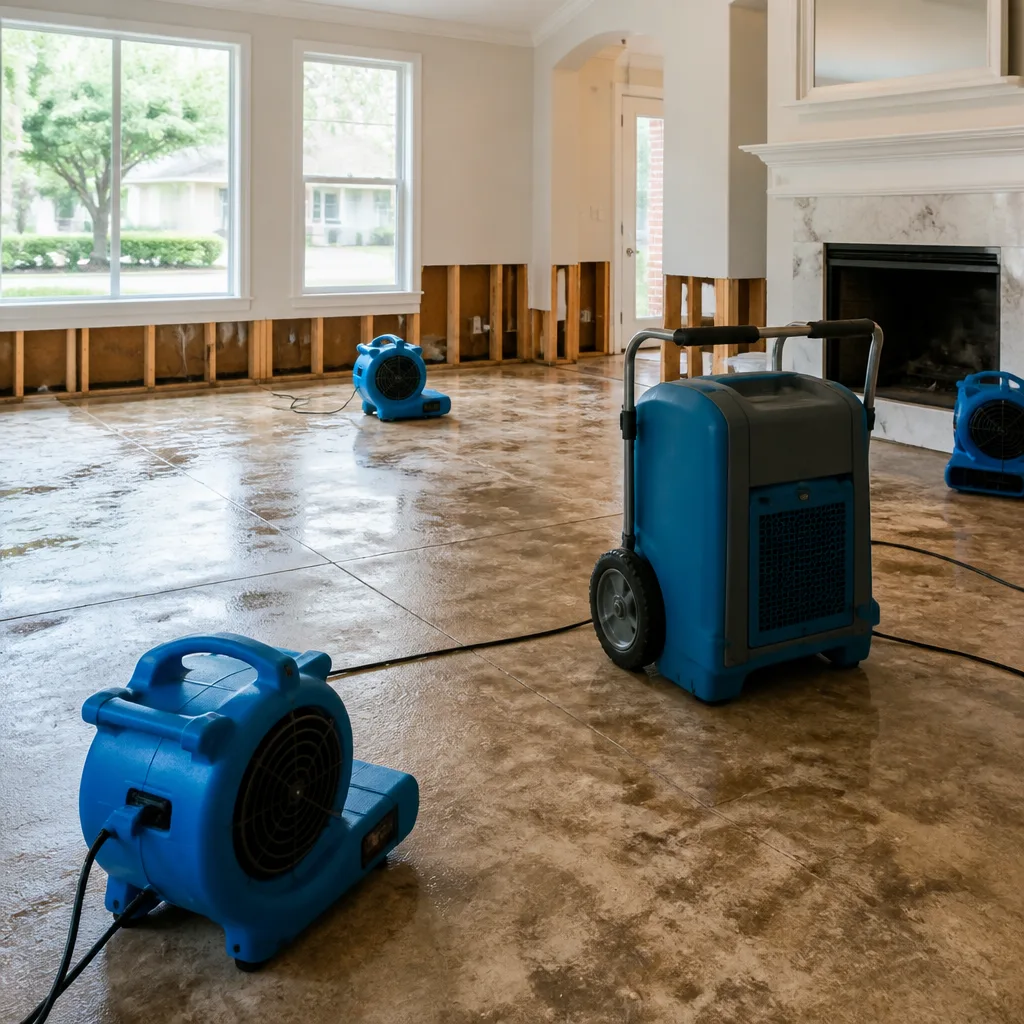
 Water damage drying
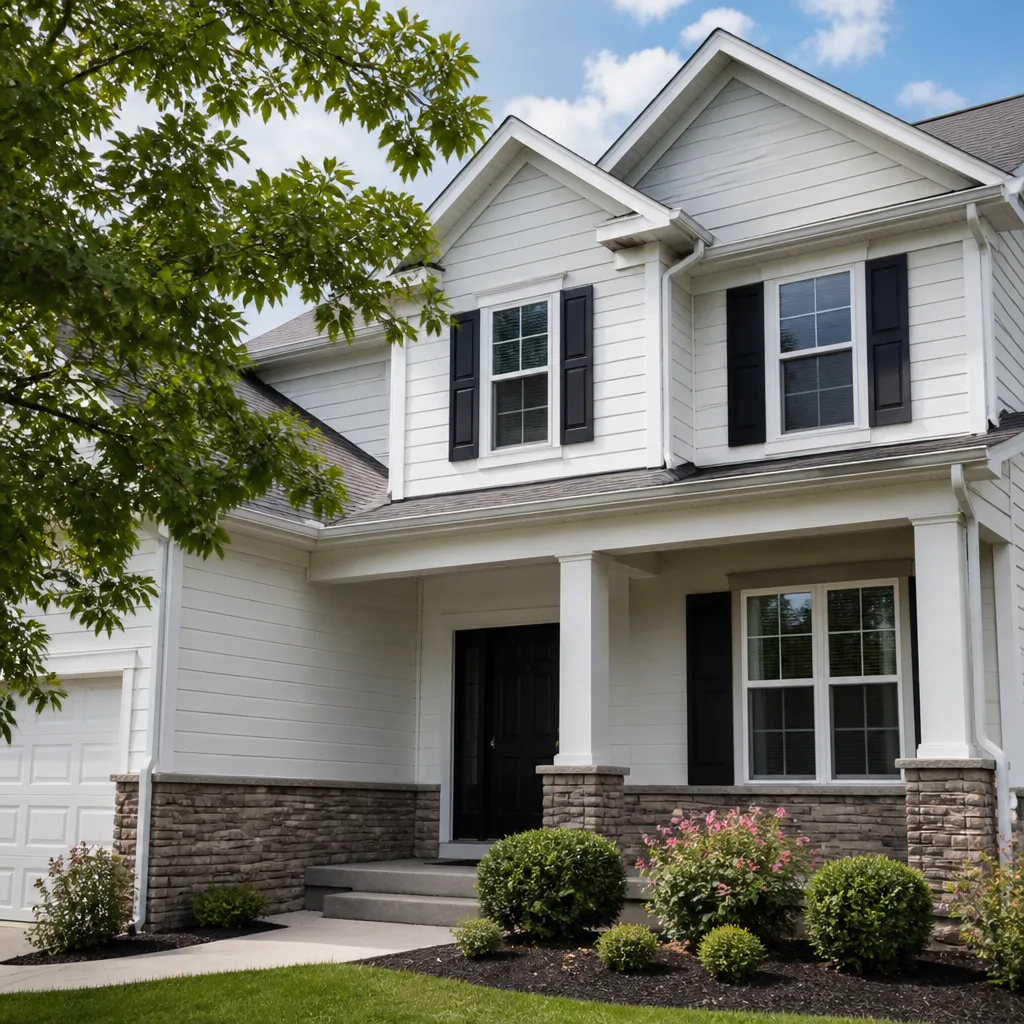 Fire & smoke cleanup
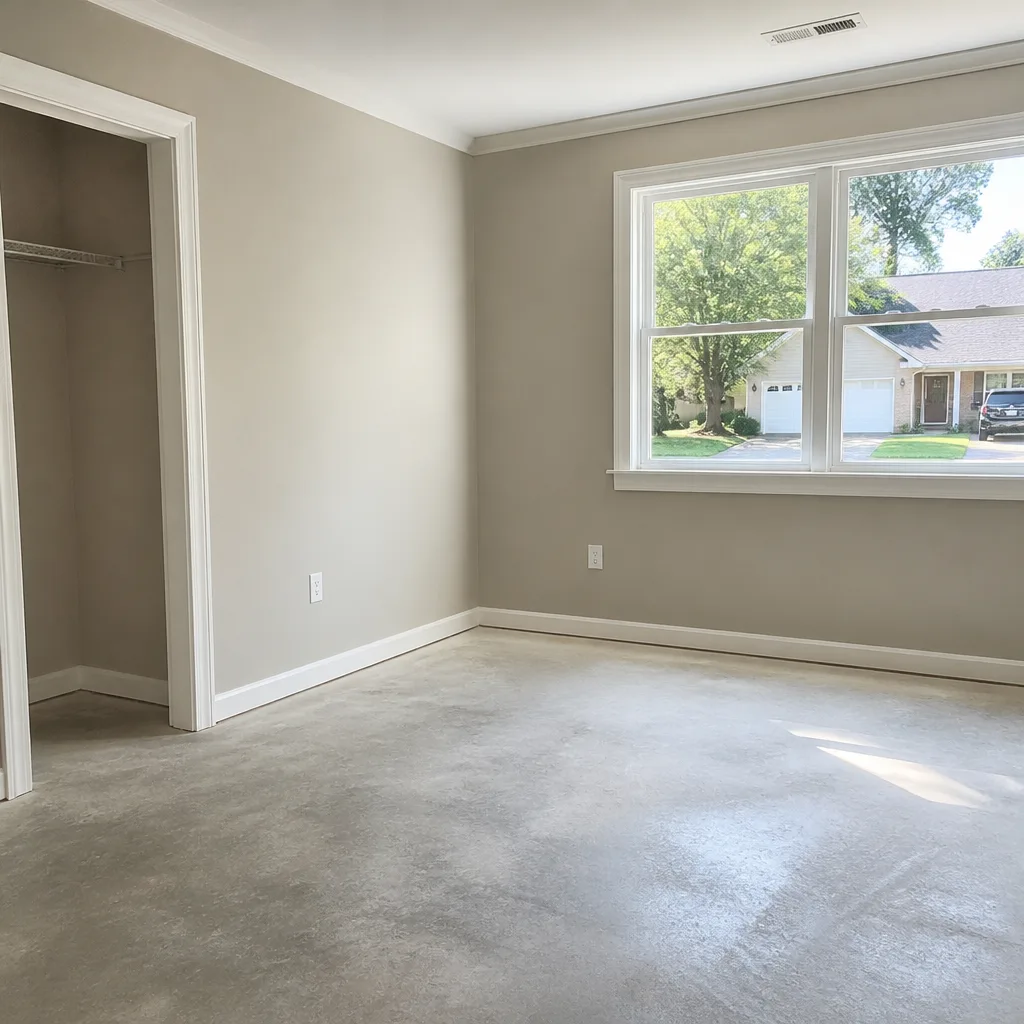 Mold remediation
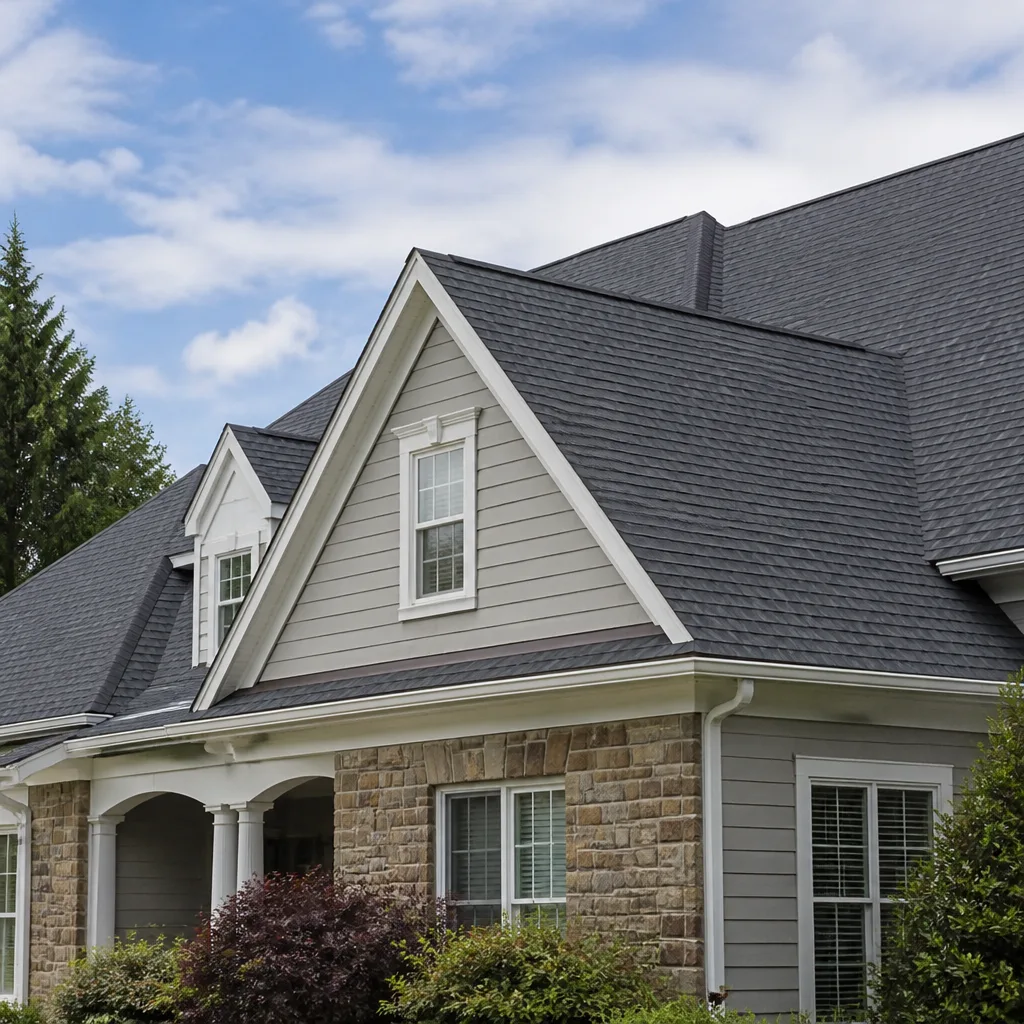 Storm response
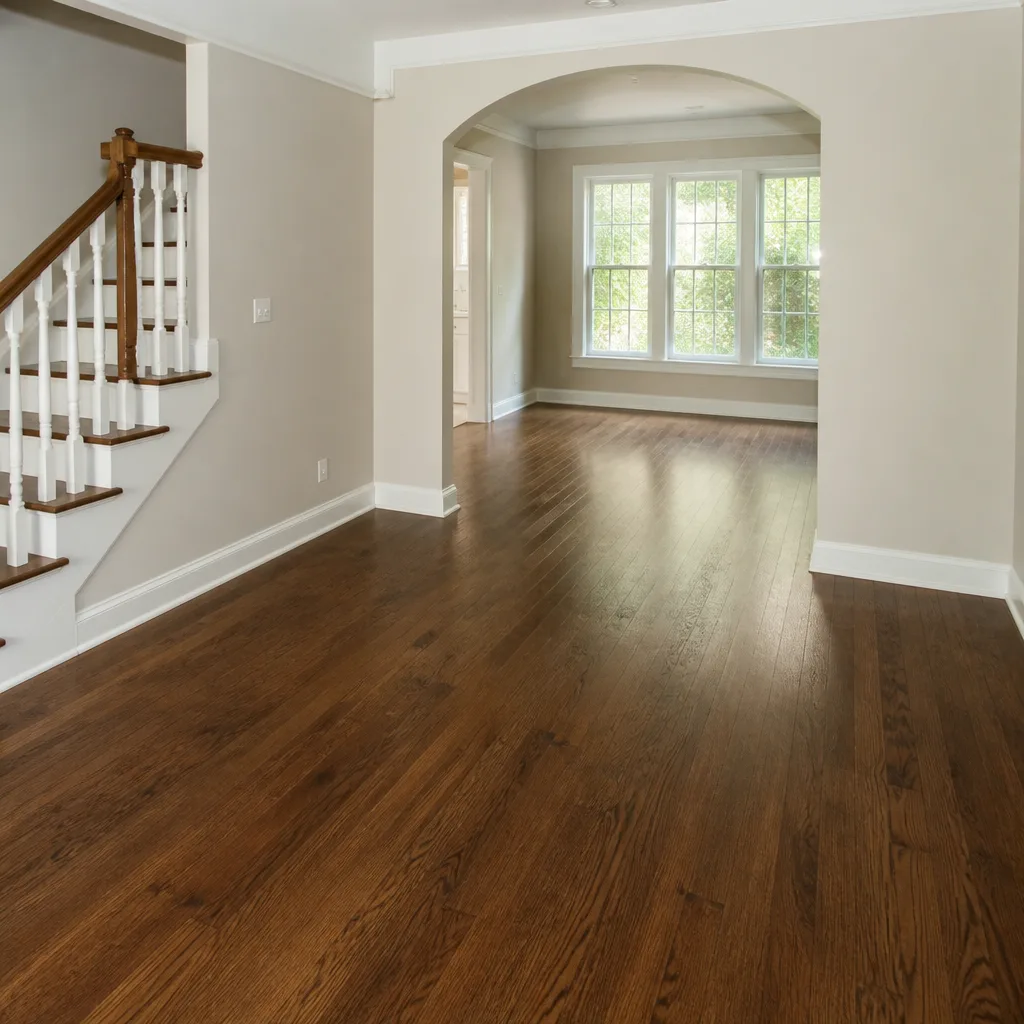 Sewage cleanup
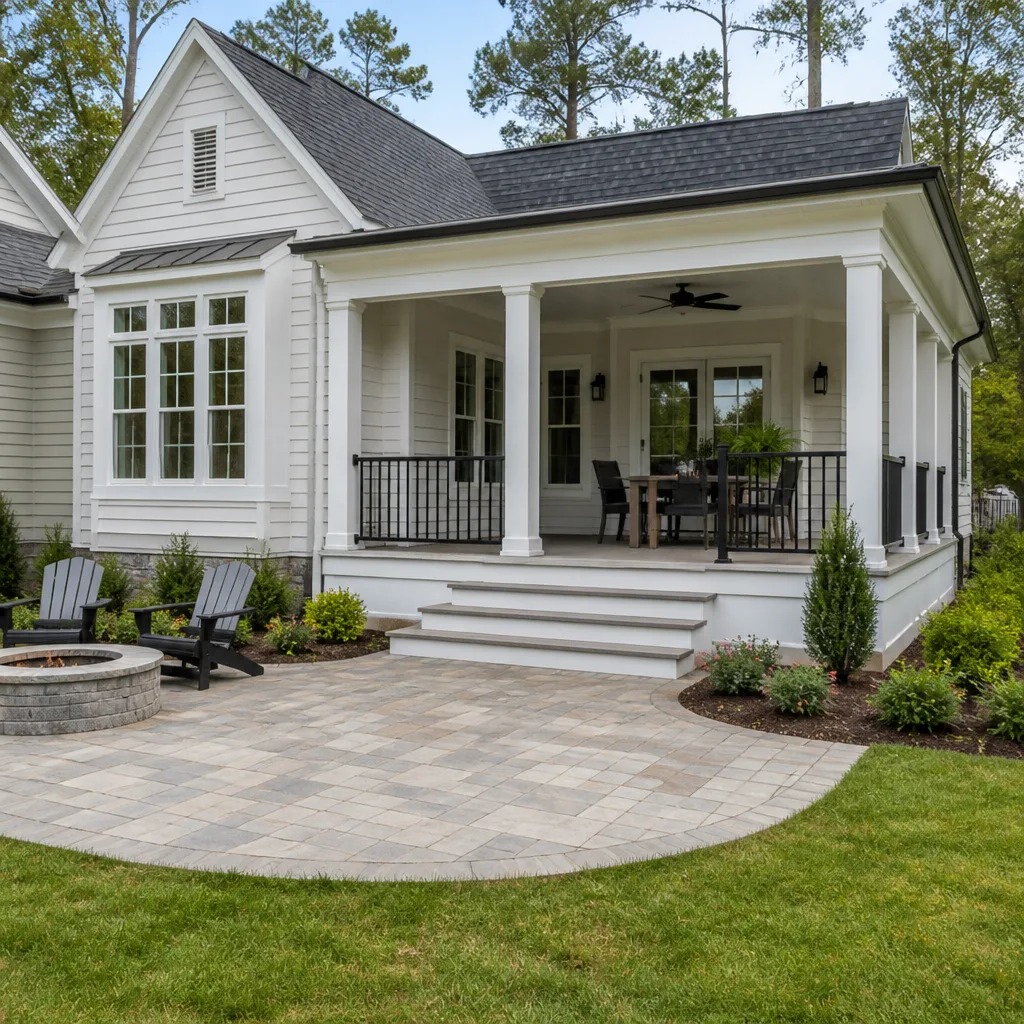 Reconstruction
Free visual inspection and a written scope of work before any mitigation begins - photos, moisture readings, and drying logs go in your claim file
The scope we write is the scope we bill. Anything new gets shown to you, in writing, before we touch it.
Get your free estimateRestoration work we handle
See the difference
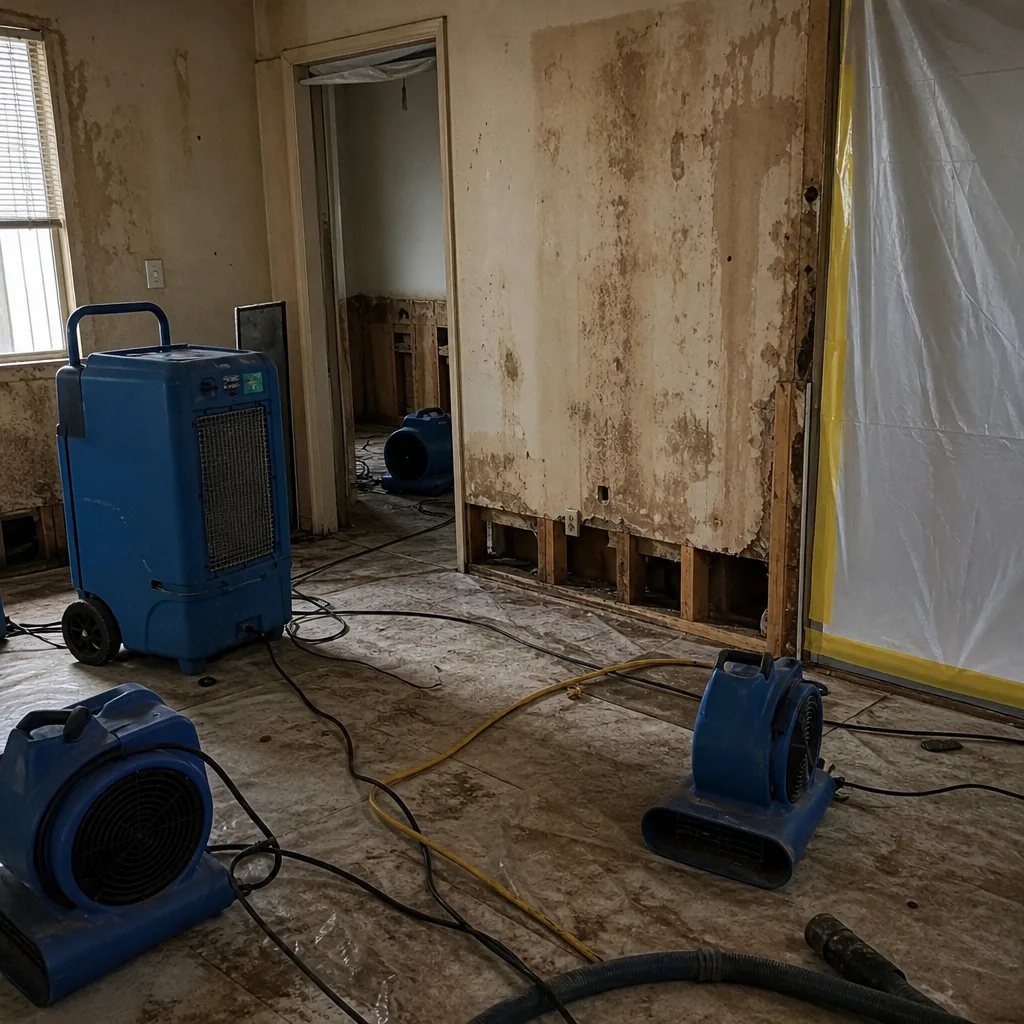 Before
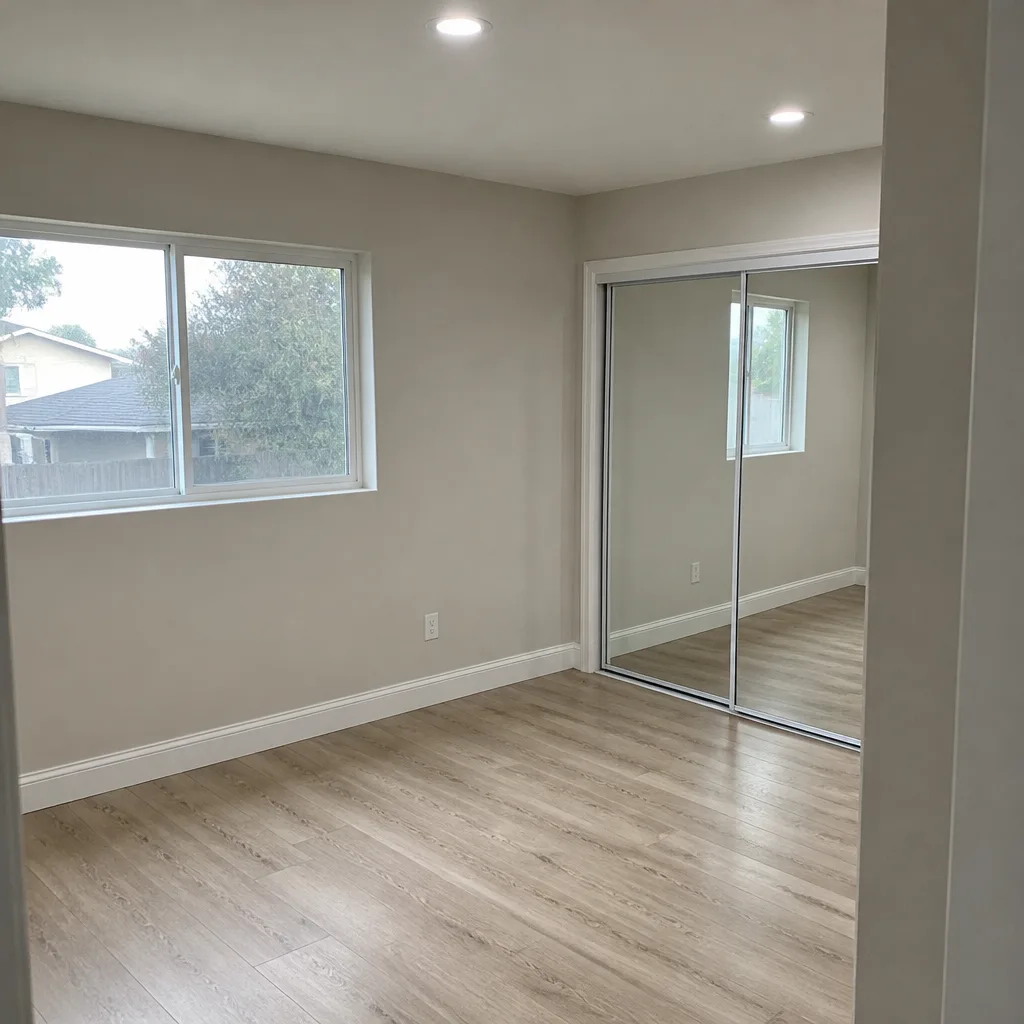 After
After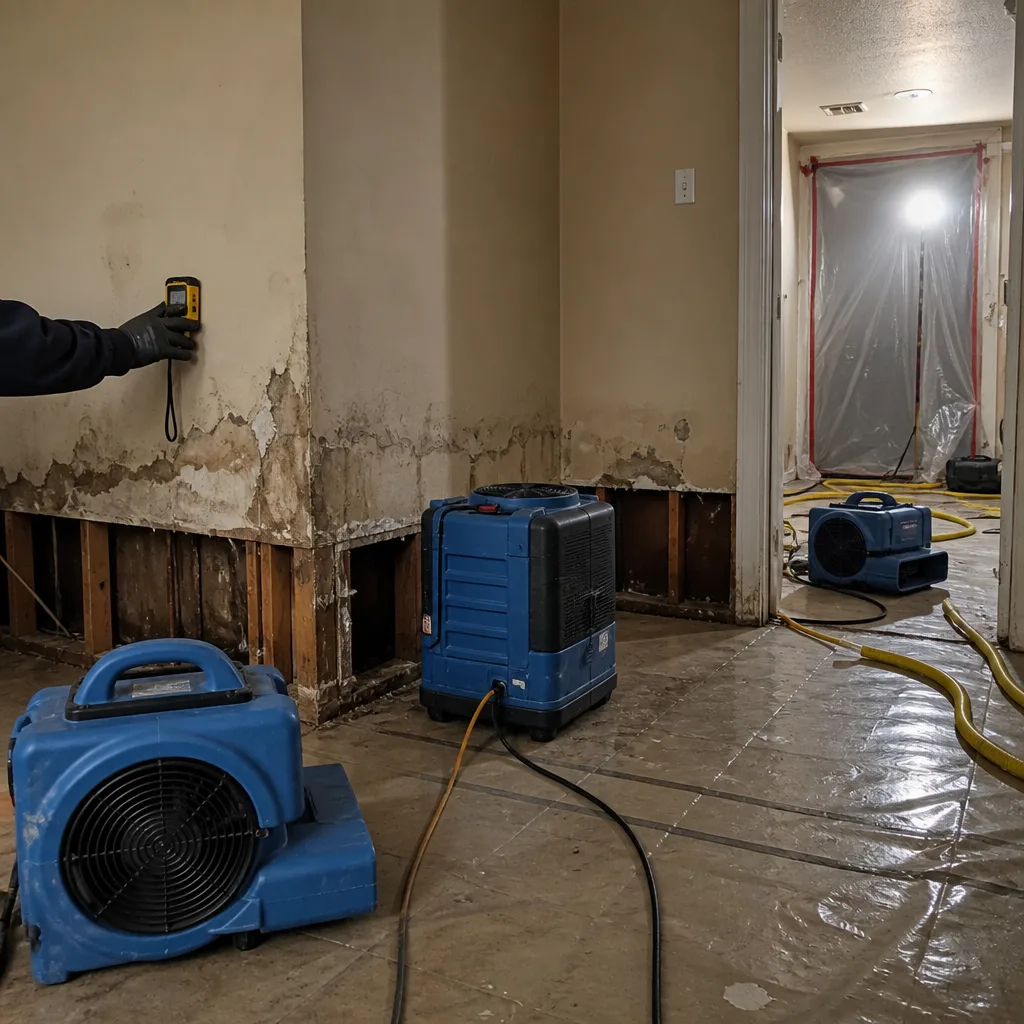 Before
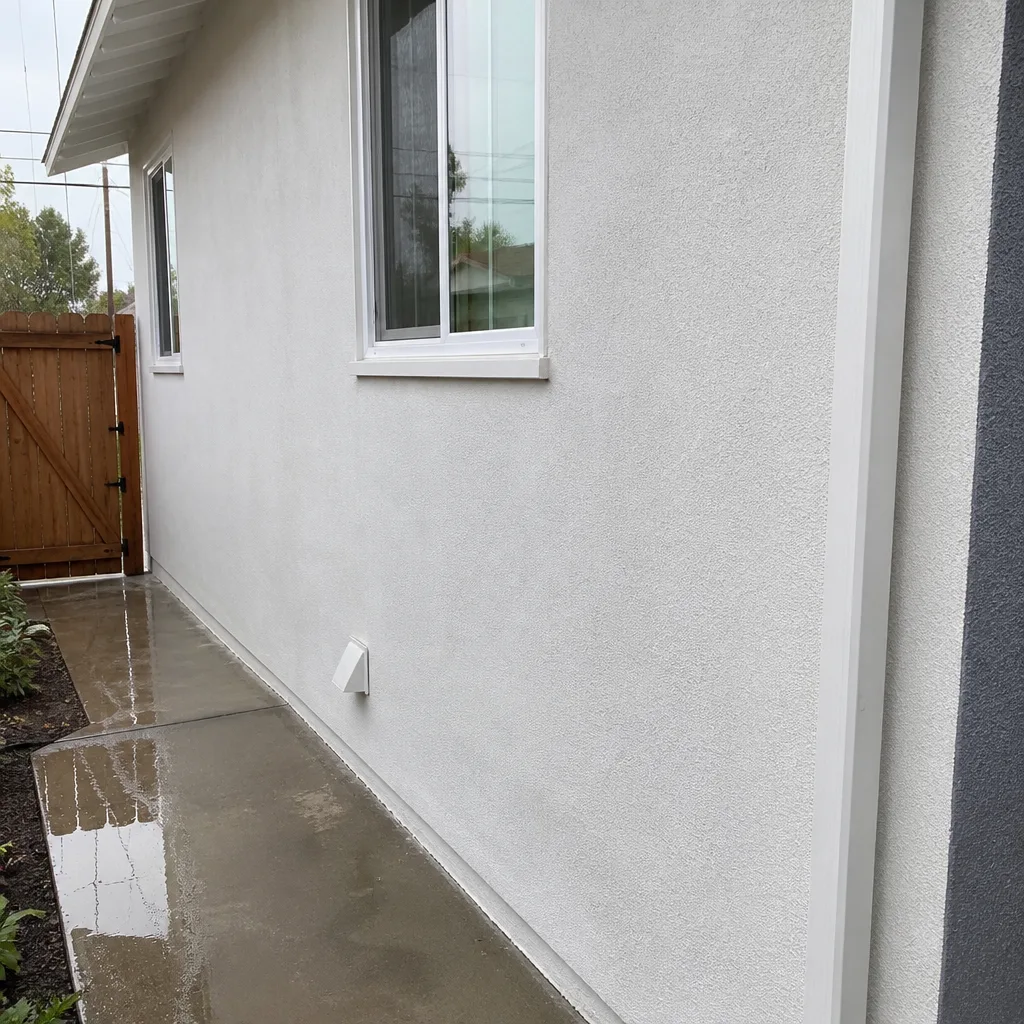 After
After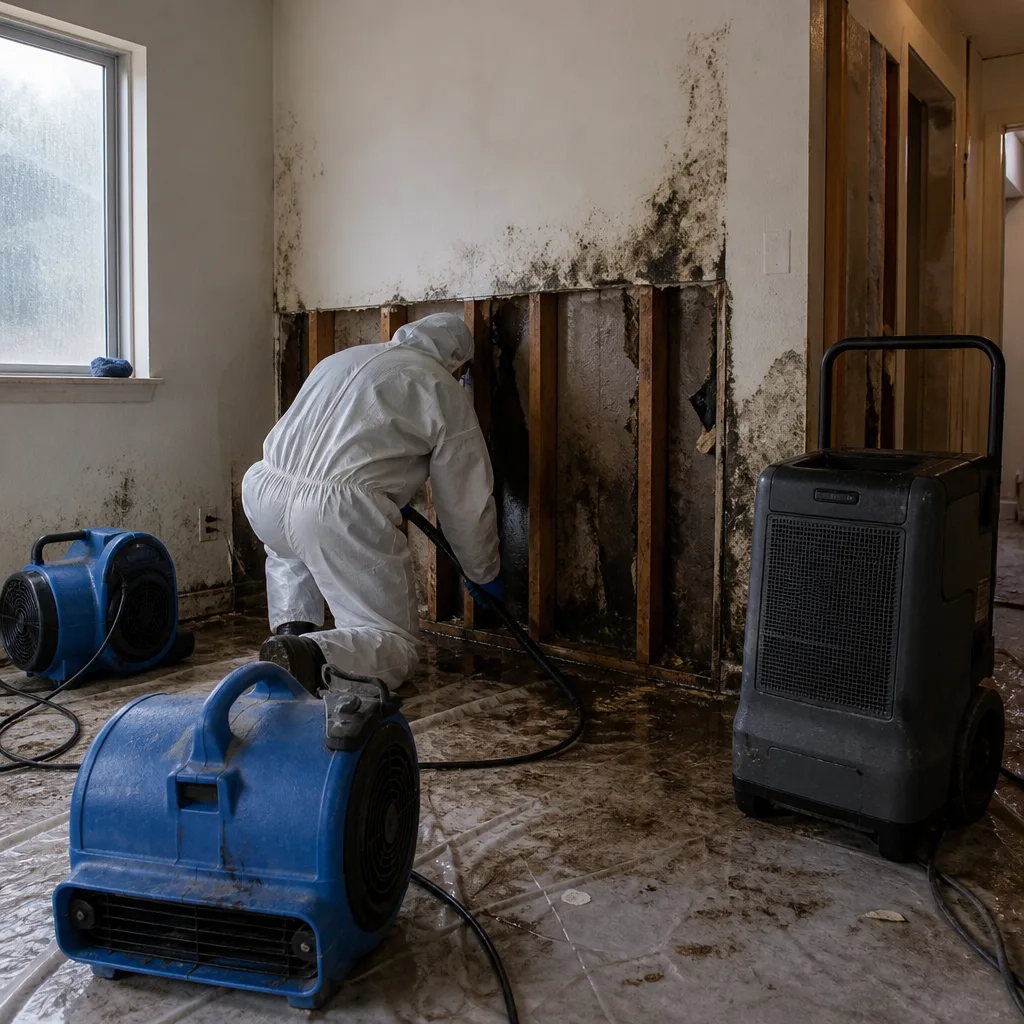 Before
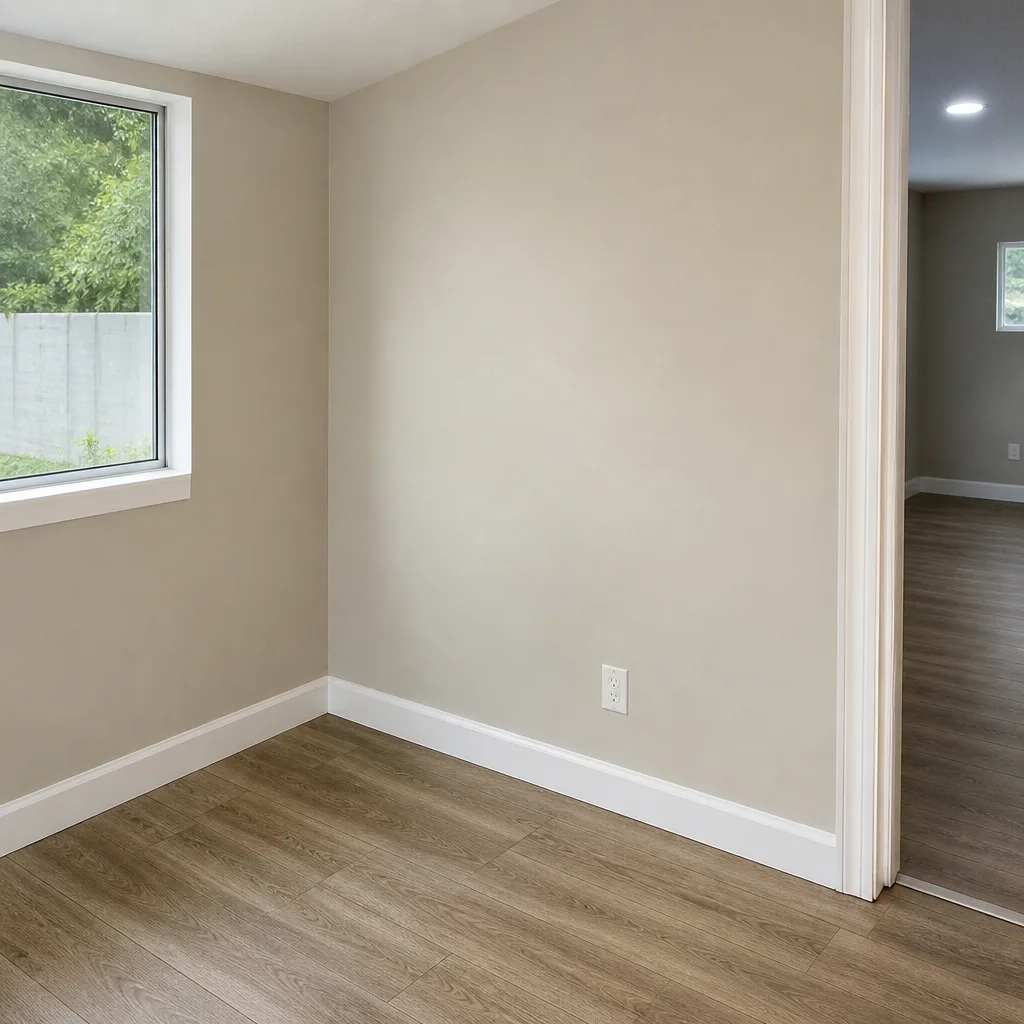 After
AfterStructural Drying & Dehumidification in Los Angeles, CA
Structural drying and dehumidification is how we remove water that has soaked into building materials after a leak, flood, or pipe burst. It uses commercial air movers, dehumidifiers, and moisture meters to pull trapped water from drywall, framing, flooring, and subfloors until the structure returns to safe moisture levels. At Dryden Restoration Los Angeles, we handle this as part of our broader Water Damage Restoration in Los Angeles work, always with a written price before any tool is touched.
Most homeowners in Los Angeles don’t think about structural drying until water has already been sitting for hours. Carpet feels squishy, baseboards start to swell, and a musty odor fades in and out. By then, water has moved past the surface. It’s in the drywall, the floor joists, the sill plates. If moisture stays there, mold gets a foothold in 24 to 48 hours, and that’s when a small leak becomes a much bigger project. We run Dri-Eaz and Phoenix dehumidifiers plus calibrated moisture meters on every drying job, so we know exactly when materials are dry, not just when they feel dry to the touch. Call (213) 423-6383 any time, day or night. A live person answers, and we’ll get a technician on the way.
When You Need Structural Drying & Dehumidification
Some water damage restoration situations need more than towels and a box fan. Here are the signs we see most often across neighborhoods from Silver Lake to Woodland Hills:
- Water sat for more than a few hours. A dishwasher supply line that leaked overnight, a water heater that gave out while you were at work, or a slow toilet leak you didn’t notice until the floor felt soft. Time is the biggest factor, and if water had hours to soak in, the structure needs professional drying.
- Materials feel wet, not just damp. Drywall that compresses when you press it, baseboards that have pulled away from the wall, or hardwood that’s cupping. These are signs that water has penetrated beyond the surface.
- You smell mildew or must. That odor is microbial activity starting. It can show up within 48 hours in Los Angeles humidity pockets, especially in older homes near the coast or in the Valley where crawl spaces stay damp.
- You see staining, swelling, or peeling. Water stains on ceilings, bubbling paint, swollen door frames. These mean moisture is trapped inside the material and wicking upward or outward.
- There was flooding from outside. After heavy winter rain, water can push under slab foundations in parts of Los Angeles with older drainage systems. That water wicks into walls and flooring and won’t leave on its own.
- A previous repair failed. If you’ve had water damage before and the area still smells, still feels damp, or shows new staining, the first drying job likely didn’t go deep enough. We see this regularly in Los Angeles, and we fix it properly the second time.
Our Structural Drying & Dehumidification Process
Every drying job at Dryden Restoration Los Angeles follows a set sequence, and we explain each step in plain English before we start. No jargon, no surprises.
- Inspect and measure. We walk the entire affected area with moisture meters and thermal imaging. We check the visible surfaces and the cavities behind walls and under flooring. This tells us where the water actually went, not just where it puddled. We also document everything for your insurance claim.
- Written price before any work starts. Based on the measurements, we give you a written breakdown of what the drying plan will cost. That number does not change at the door. The Kingswell Way is simple: say the price before the work.
- Remove standing water and unsalvageable materials. We extract any remaining water, and if padding, carpet, or damaged drywall needs to come out, we remove it so the structure underneath can dry. We’ll tell you exactly what we’re removing and why before we do it.
- Set up professional drying equipment. We place Dri-Eaz and Phoenix air movers and dehumidifiers in a calculated layout, not just plugged in randomly. Air movement creates evaporation; dehumidifiers pull that evaporated moisture out of the air. This is called psychrometric drying, which is a technical way of saying we control the air temperature, humidity, and airflow so water leaves building materials as fast as physics allows.
- Monitor daily until dry. We return each day to check moisture readings in the same spots we marked on day one. We document the numbers, adjust equipment as needed, and only declare the job done when the moisture content is back to the normal range for each material. In Los Angeles, with our dry climate, many drying projects finish in 3 to 5 days. Some take longer depending on how deep the water went.
- Final verification and cleanup. We take final moisture readings, walk you through the numbers, remove the equipment, and leave the job site clean. Then we put the 365-Day Done Right Promise in writing. If any covered repair fails within a year, we come back and correct it at no charge. That’s not a verbal promise; it’s on paper with every job.
Structural Drying & Dehumidification Pricing in Los Angeles
How much does water damage restoration cost in Los Angeles? Typically $1,600 to $3,800 for a single affected room, and $3,500 to $8,000 when water has spread through multiple rooms or affected flooring and subfloors. These are honest ranges based on what we’ve billed across Los Angeles, not a teaser number that balloons later.
Several factors move the price up or down:
- Square footage affected. More wet material means more equipment and more monitoring days. A single bathroom leak is a smaller job than a kitchen-to-living-room pipe burst.
- How long the water sat. Water that sat for 48 hours has soaked deeper into wood and drywall than water caught within 2 hours. Longer saturation means longer dry time.
- Materials involved. Hardwood flooring, lath-and-plaster walls (common in older Los Angeles homes), and tile over subfloor all dry differently. Some materials hold more water than others.
- Access. Crawlspaces under homes in areas like parts of the San Fernando Valley can make drying subfloors more involved than a slab-on-grade setup.
- What needs to be removed. If drywall, carpet, or padding must be cut out and replaced, that adds to the total. We give you a single written number that covers the drying work, so you know the full cost before we begin.
Here’s what a typical structural drying project might look like, line by line:
| Item | Typical Range (Los Angeles) |
|---|---|
| Emergency water extraction | $350 – $700 |
| Equipment setup (air movers, dehumidifiers) | $400 – $900 per day (3 – 5 days typical) |
| Moisture monitoring visits | $150 – $300 per visit |
| Removal of unsalvageable materials | $300 – $1,200 depending on scope |
| Final moisture verification | $0 – included in the project total |
Every estimate is free, and every estimate is in writing before we touch a tool. Call (213) 423-6383 and we’ll look at your situation, explain what’s needed, and give you a number you can hold us to.
Why Los Angeles Homes Need Proper Structural Drying
Los Angeles has a specific challenge when it comes to water damage restoration near me: our homes are built for dry weather. Stucco exteriors, minimal roof overhangs, and tight building envelopes mean that when water does get in, it has fewer paths to evaporate naturally. Add in the marine layer that rolls through neighborhoods west of the 405 and the humid pockets in the San Fernando Valley during summer, and you have conditions where trapped moisture can linger inside walls for weeks. A properly trained drying crew has to account for local climate conditions, not just run equipment on a timer, which is why our technicians are trained to IICRC standards and adapt the drying plan by the day, not by the manual.
Since 2005, we’ve responded to water events in Los Angeles homes of every era, including basement water removal and more: 1920s bungalows in Highland Park with balloon framing that wicks water upward, 1970s slab-on-grade ranch houses where water runs under base plates, newer townhomes with open floor plans where moisture travels fast through shared wall cavities. This local experience means we know what to check in your home before we even plug in a dehumidifier.
Drying Equipment We Use in Los Angeles
Every drying job uses professional-grade equipment, which matters because the tools determine the result. We run Dri-Eaz and Phoenix dehumidifiers, which pull moisture from the air at a rate a rental unit from a home improvement store can’t match. We also use XPOWER air movers to create the airflow that speeds evaporation and calibrated moisture meters to take readings we can document.
These are the same machines used by commercial restoration crews on hospitals, schools, and office buildings. When it comes to drying your home, you don’t need a different standard. We explain every piece of equipment we set up and why it’s placed where it is, so you understand what’s happening in your own house.
The Kingswell Way: What You Can Expect From Us
Dryden Restoration Los Angeles is part of the Kingswell family of independently owned restoration businesses, and we’ve operated this way since Carl Brandt founded the company in 2005. The Kingswell Way sets specific commitments for every job we take on:
- Say the price before the work. You’ll have a written estimate before we set foot on your property with equipment. The number does not change when we arrive.
- Show up in the window we gave. We tell you when we’ll arrive, and we arrive then. Every technician is background-checked and uniformed, so you know exactly who’s at your door.
- Leave the place cleaner than we found it. We lay down floor protection, manage dust and debris, and clean up before we go.
- Put the guarantee in writing. The 365-Day Done Right Promise is documented on every job. If a covered repair fails within a year, we return and make it right at no charge. No fine print hiding behind a verbal promise.
Restoration work is stressful enough without wondering if the contractor is going to show up, change the price, or disappear if something goes wrong. We’ve built our reputation in Los Angeles on doing exactly what we say we’ll do, and putting it in writing.
Insurance Assistance for Structural Drying
Most homeowners insurance policies in Los Angeles cover structural drying if the water damage was sudden and accidental: a burst pipe, a supply line failure, an overflowing appliance. We’ve worked with nearly every major carrier and we document the full drying log, including daily moisture readings, so your adjuster has what they need to process the claim. We’ll walk you through the process and coordinate directly with your insurance company if you’d like us to. The drying plan and the written price stay the same either way.
FAQs – Structural Drying & Dehumidification
How long does structural drying take in Los Angeles?
Most structural drying jobs in Los Angeles take 3 to 5 days when water is caught within 24 hours. Water that has been sitting longer, or water that soaked into hardwood or plaster, can take 7 to 10 days. Our technicians take daily moisture readings and give you a specific timeline for your home after the initial inspection. Call (213) 423-6383 and we’ll let you know what to expect for your situation.
Is it cheaper to dry a structure or replace the wet materials?
Drying is almost always cheaper than replacing, as long as the materials are still structurally sound. Replacing drywall, flooring, and framing runs 3 to 5 times what drying costs, and replacement also means construction time. That said, some materials like saturated carpet padding or swelling particle board can’t be saved and should come out. We’ll tell you honestly which materials can dry and which need to go, and the written estimate reflects that decision before work starts.
Can I dry out water damage with fans and a shop vac?
For small spills caught immediately, a shop vac and fans can work. But once water has soaked into drywall, subfloor, or framing, household equipment can’t pull moisture from inside those materials. Water trapped in a wall cavity will stay there, and mold will grow. If you’re not sure whether your situation is DIY-safe, call us. We’ll ask a few questions about what happened and give you an honest answer over the phone, free.
Do you charge for a moisture inspection in Los Angeles?
No, the inspection and written estimate are free. We come out, take moisture readings with professional meters, show you the areas that are wet, and give you a written price for the drying plan. You’re under no obligation, and the estimate is yours to keep whether or not you hire us. Call (213) 423-6383 to schedule a visit.
What’s the 365-Day Done Right Promise and what does it cover?
The 365-Day Done Right Promise is our written guarantee that if any covered repair fails within one year, we return and correct it at no charge. It covers the structural drying work we performed and any follow-up repairs we made as part of the drying job. If the same area shows moisture or mold returns within a year, you get a free return visit and we fix it. The promise is documented in writing on every job: not a handshake, not a verbal assurance.
Contact Dryden Restoration Los Angeles
If you have water in your walls, your floor, or your framing, call us now. A live person answers the phone 24 hours a day, 7 days a week, and we’ll schedule a technician to come out with a written estimate. You’ll know the price before any tool is put to work, and once the job is done, you’ll have the 365-Day Done Right Promise in writing. Call (213) 423-6383 for your free estimate.
Written by Carl Brandt, Owner at Dryden Restoration Los Angeles, serving Los Angeles.