

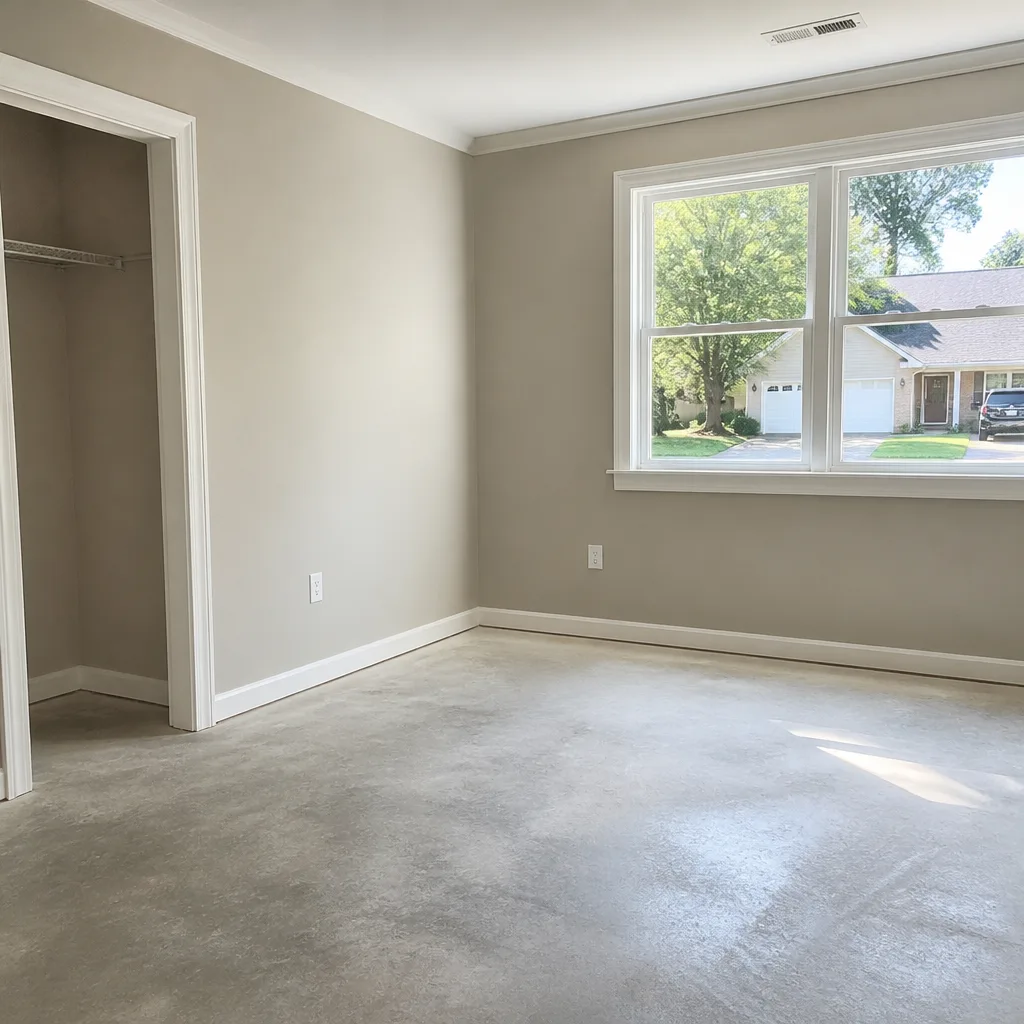
 Mold remediation
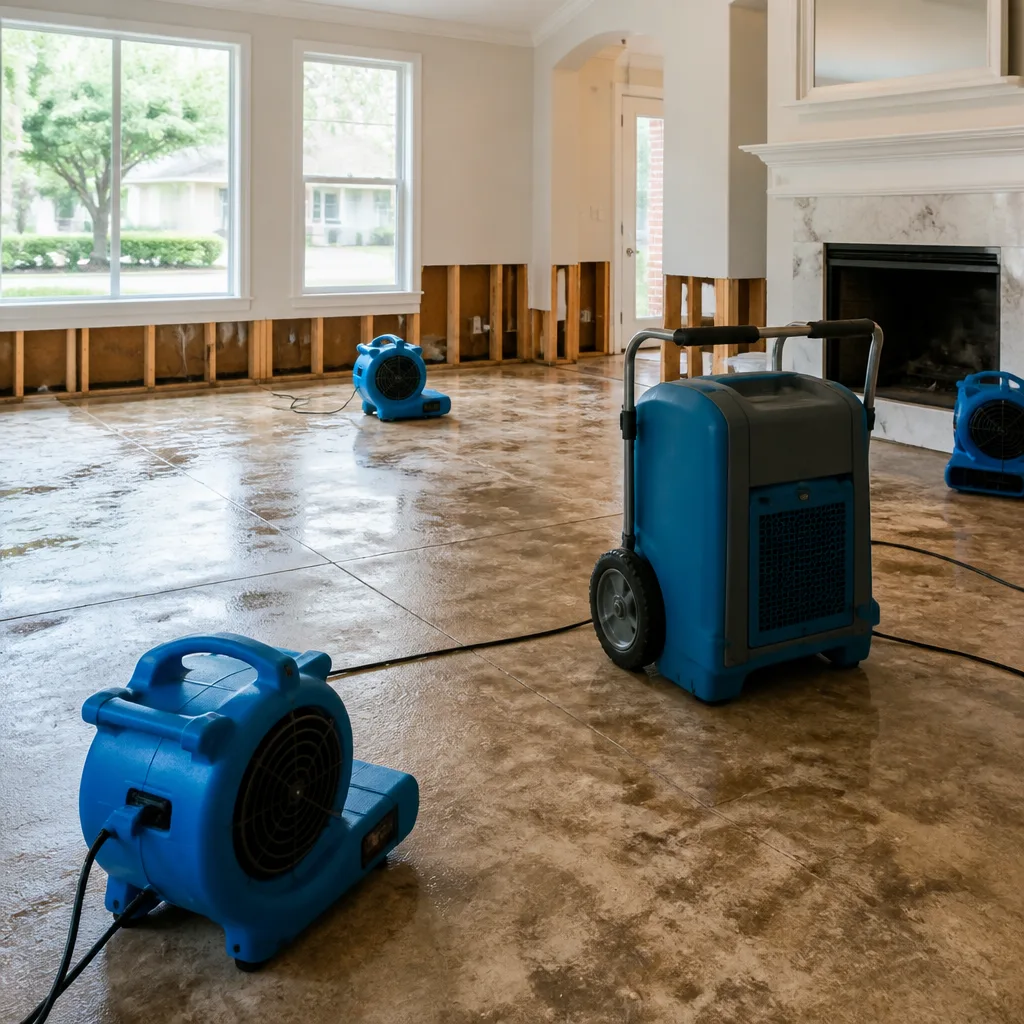 Water damage drying
 Fire & smoke cleanup
 Storm response
 Sewage cleanup
 Reconstruction
Free visual inspection and a written scope of work before any mitigation begins - photos, moisture readings, and drying logs go in your claim file
The scope we write is the scope we bill. Anything new gets shown to you, in writing, before we touch it.
Get your free estimateFast, Reliable Mold Remediation Across Sun Valley
Mold remediation in Sun Valley typically costs $1,800 – $6,500 for a standard room treatment and can often be started within 24 – 48 hours of your call. That range covers containment, removal of affected material, antimicrobial treatment, and structural drying. If you’re seeing dark staining on lath-and-plaster walls, smelling musty air near chimney chases, or dealing with a recurring leak on Glenoaks Boulevard, call us at (213) 423-6383 and a live person will answer.
Sun Valley’s housing stock runs older than most of the San Fernando Valley. That matters more than people expect. We’ve spent enough time opening up walls in mid-century ranches off Vineland Avenue and Tujunga Wash to know what hides behind stucco: legacy lath-and-plaster, wood framing that’s been holding moisture for decades, and the kind of poorly flashed roof penetrations that let Category 3 water into wall cavities every time it rains. Our Mold Remediation team works these older homes differently than new construction. We map moisture before we open anything, and we scope containment for lath-and-plaster dust, not just drywall.
Why Dryden Restoration Los Angeles Is Sun Valley’s Preferred Mold Remediation Company
Homeowners across Sun Valley call us because the company’s promises are written down. Before any tool touches your wall, you get a written price. Before we arrive, you get a named arrival window. Every job carries the 365-Day Done Right Promise in writing: if a covered repair fails within a year, we come back and fix it at no charge. That’s the Kingswell Way, and it’s how Dryden Restoration Los Angeles has operated since Carl Brandt opened this independently owned Kingswell company in 2005.
Our technicians arrive in Dryden uniform, background-checked, with equipment you don’t normally see on residential jobs: Dri-Eaz dehumidifiers, Phoenix air movers, and XPOWER axial fans. We work to IICRC, RIA, and IFA standards on every Sun Valley job, and we explain every step in plain English. Not to impress you. So you can see exactly what you’re paying for.
We’ve handled mold in ranch homes near Strathern Street, split-levels off Sunland Boulevard, and commercial buildings along San Fernando Road. The one thing all those jobs have in common: someone waited too long because they weren’t sure whether it was serious. Call when you see it. We’ll tell you straight.
Restoration work we handle
Professional Mold Removal in Sun Valley
Professional Mold Removal in Sun Valley means more than spraying a surface and calling it done, especially in houses built between the 1940s and 1960s. It means setting up proper containment so mold spores don’t spread to unaffected rooms, removing contaminated materials, treating the remaining framing, and running professional drying equipment until moisture readings confirm the structure is back to pre-loss condition. A single wall cavity in a Sun Valley ranch home runs $1,200 – $3,800 depending on how far the mold has traveled and whether the lath-and-plaster needs partial or full replacement.
Containment and Removal
We seal off the affected area with negative air pressure before we open anything. In older homes, that step is non-negotiable. Lath-and-plaster walls pulverize into fine dust when cut, and that dust carries mold spores into adjacent rooms if containment isn’t done right. We remove only the material that’s actually contaminated. Sometimes that’s a two-foot strip around a chimney chase. Sometimes it’s an entire wall cavity.
Antimicrobial Treatment and Drying
After removal, we apply an EPA-registered antimicrobial to the framing and surrounding materials. Then we set up Dri-Eaz dehumidifiers and Phoenix air movers and run them until structural drying logs show relative humidity back to normal ranges. That’s psychrometric drying: measuring temperature, humidity, and moisture content instead of guessing. In Sun Valley’s dry summer climate, drying moves faster than in coastal zones. In winter, we adjust the drying plan for the moisture load that rain brings.
Mold Inspection in Sun Valley
Mold Inspection in Sun Valley starts with moisture mapping, not with tearing open drywall. In older construction, mold hides behind lath-and-plaster, under stucco, and inside wall cavities that look dry from the outside. A visual inspection isn’t enough. We use moisture meters and thermal imaging to trace exactly where water has traveled, then we tell you what’s actually contaminated and what isn’t. A mold inspection with a written findings report in Sun Valley typically runs $300 – $900 depending on the size of the home and whether air sampling is needed.
Moisture Mapping Before Any Demolition
Every Sun Valley inspection starts with a question: where is the water coming from? In these older homes, the answer is usually a failed chimney flashing, a cracked stucco seam, or a flat-roof drain that’s been clogged for a year. Unless that source is identified, mold returns after remediation. That’s why we map moisture before we open a single wall.
When Air Sampling Is Worth It
If you’re seeing mold in one room but smelling it throughout the house, air sampling can tell you whether spores have spread to other rooms. That matters for deciding scope: a $3,000 isolated remediation versus a $9,000 whole-house containment. We only recommend sampling when it changes the decision. If it won’t change what we do, we tell you that too.
Trusted Brands We Service in Sun Valley
We work on every brand of drying and restoration equipment, but the machines we bring into Sun Valley homes are the same professional-grade units commercial crews use: Dri-Eaz for dehumidification, Phoenix for high-efficiency air movement, XPOWER for targeted drying in tight spaces. We keep a stocked equipment rotation staged for rapid deployment to Sun Valley, so we’re not waiting on a rental house when you call. That’s how we can be on-site in Sun Valley within a day of your call in most cases, even during the winter rain season when mold calls spike.
See the difference
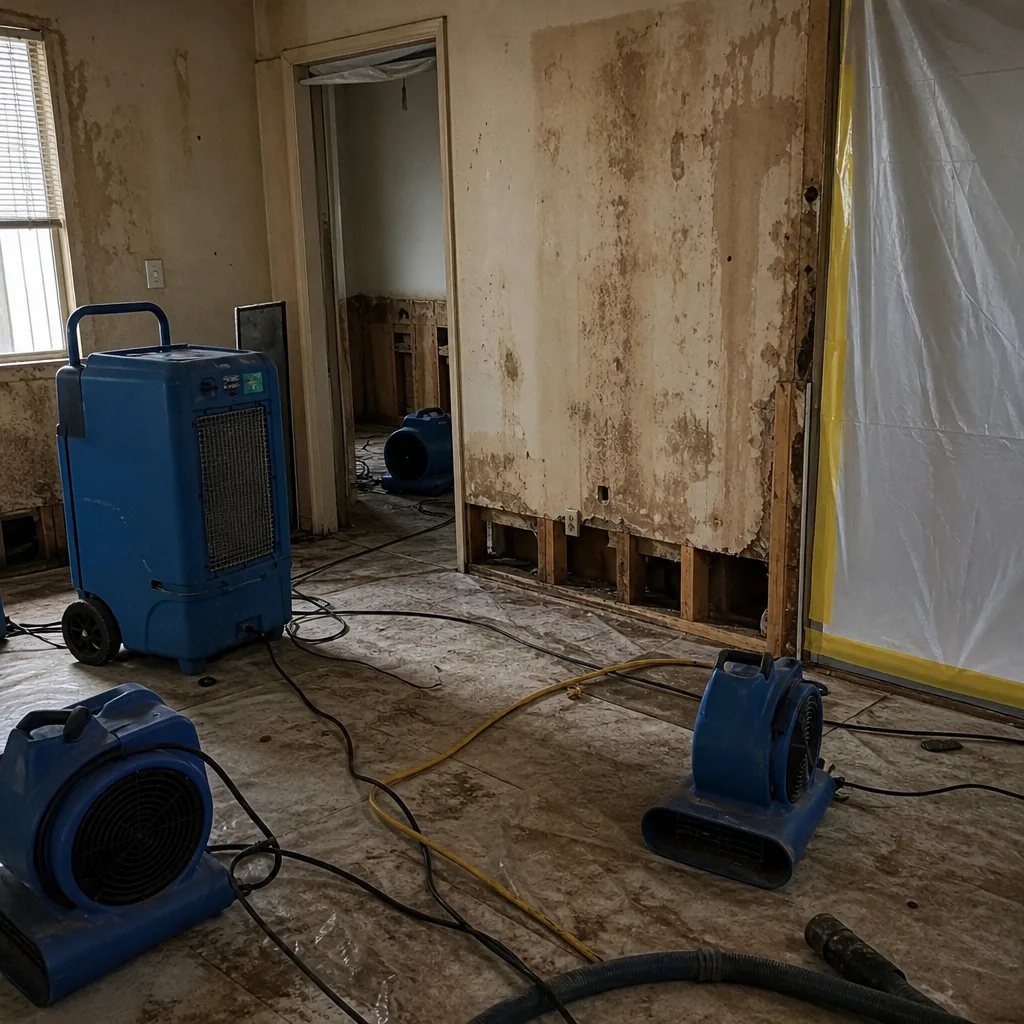 Before
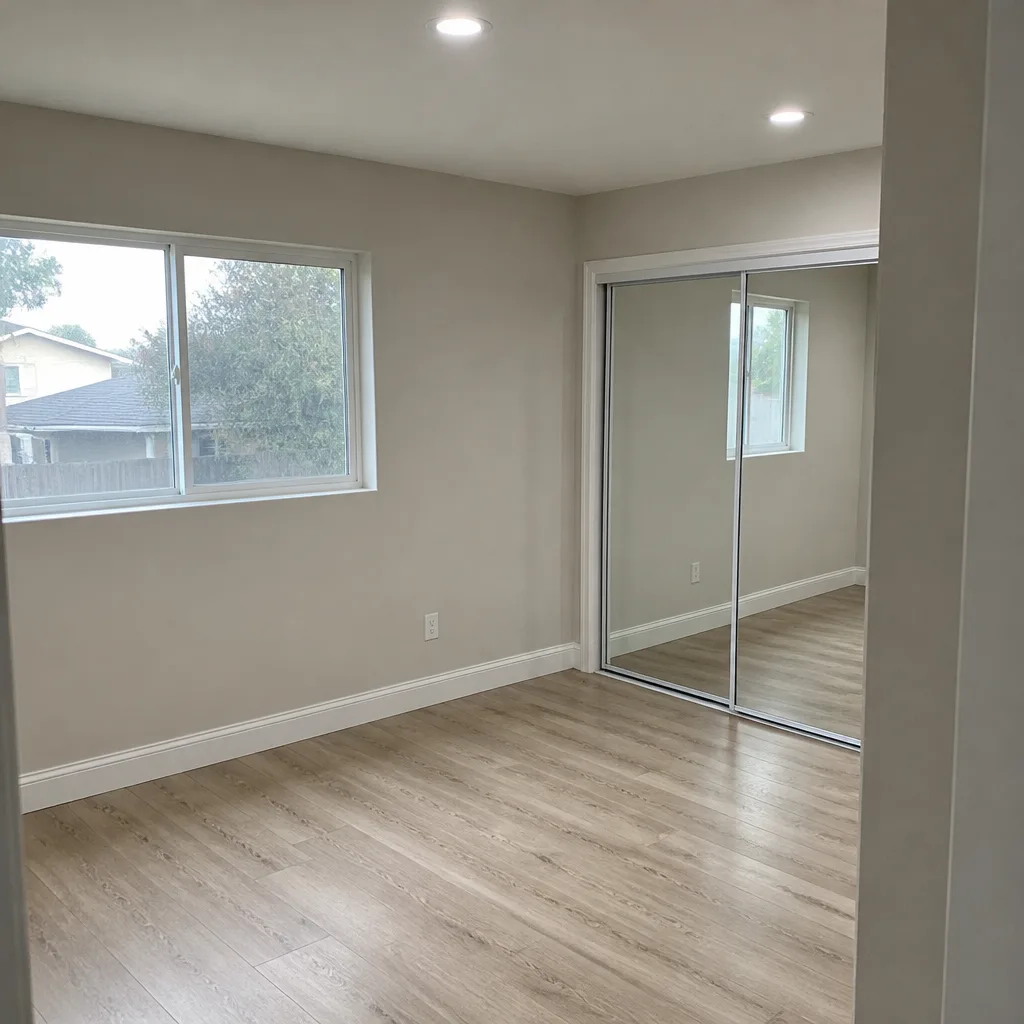 After
After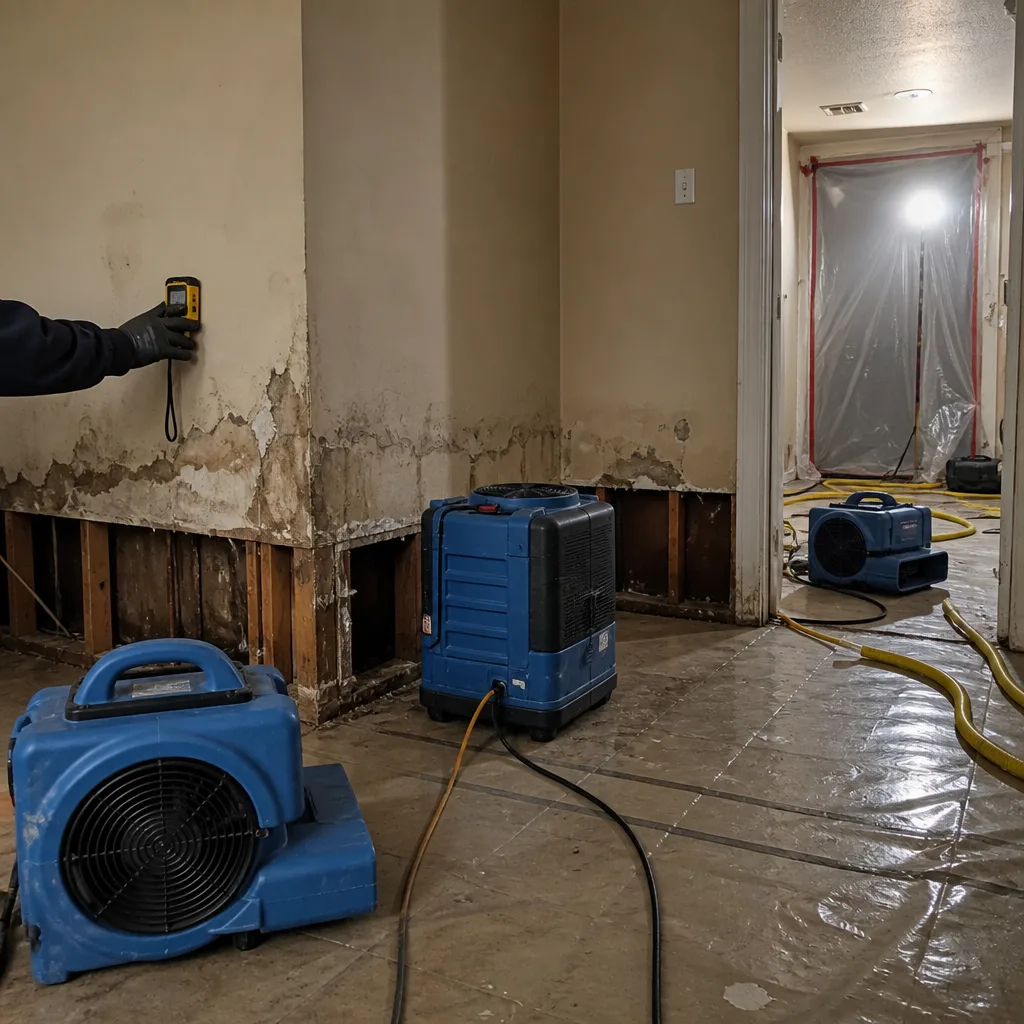 Before
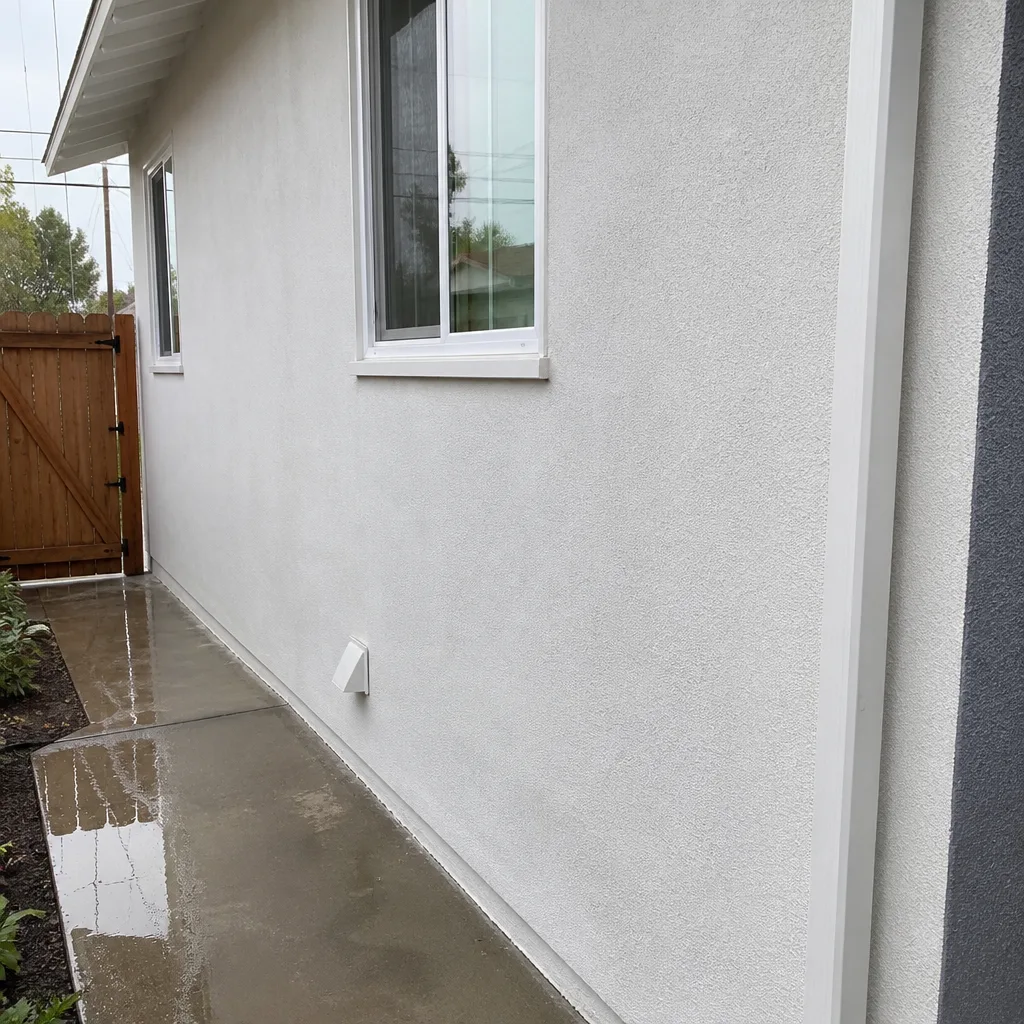 After
After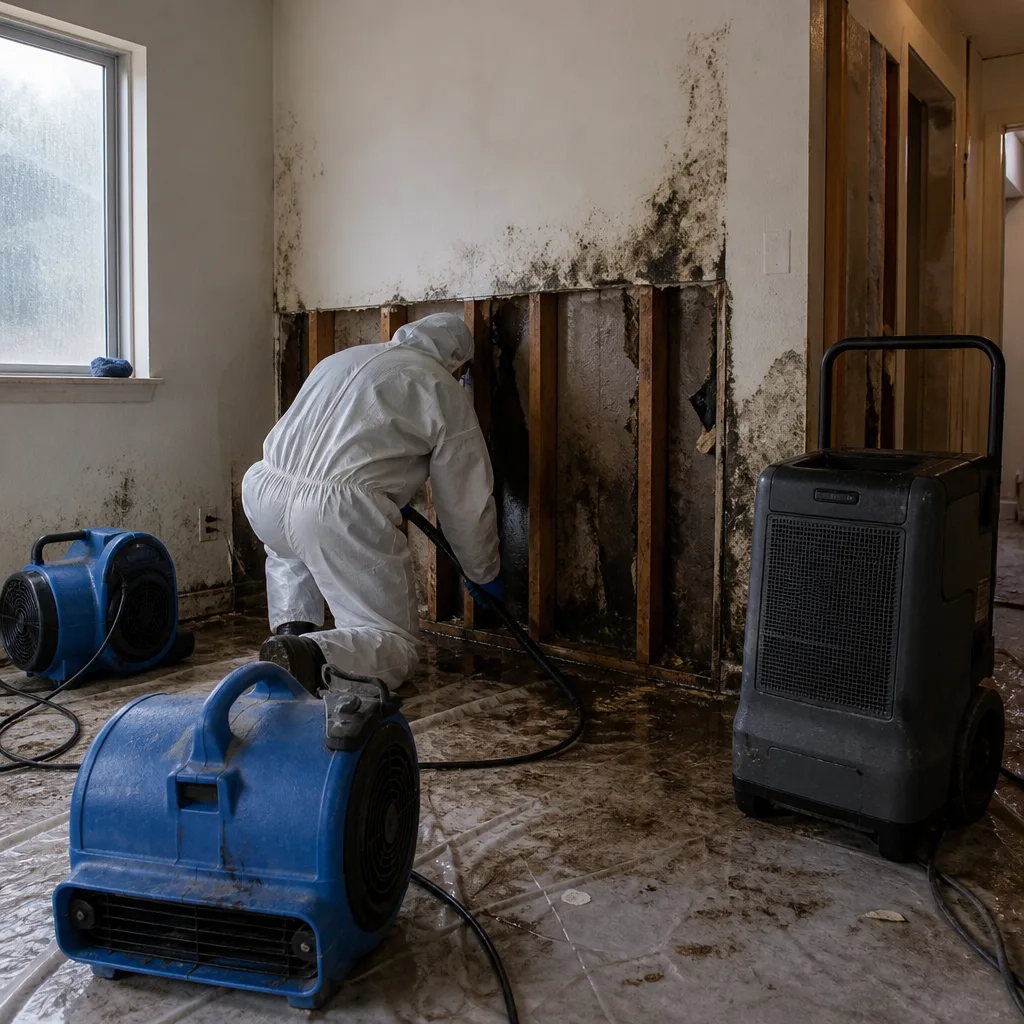 Before
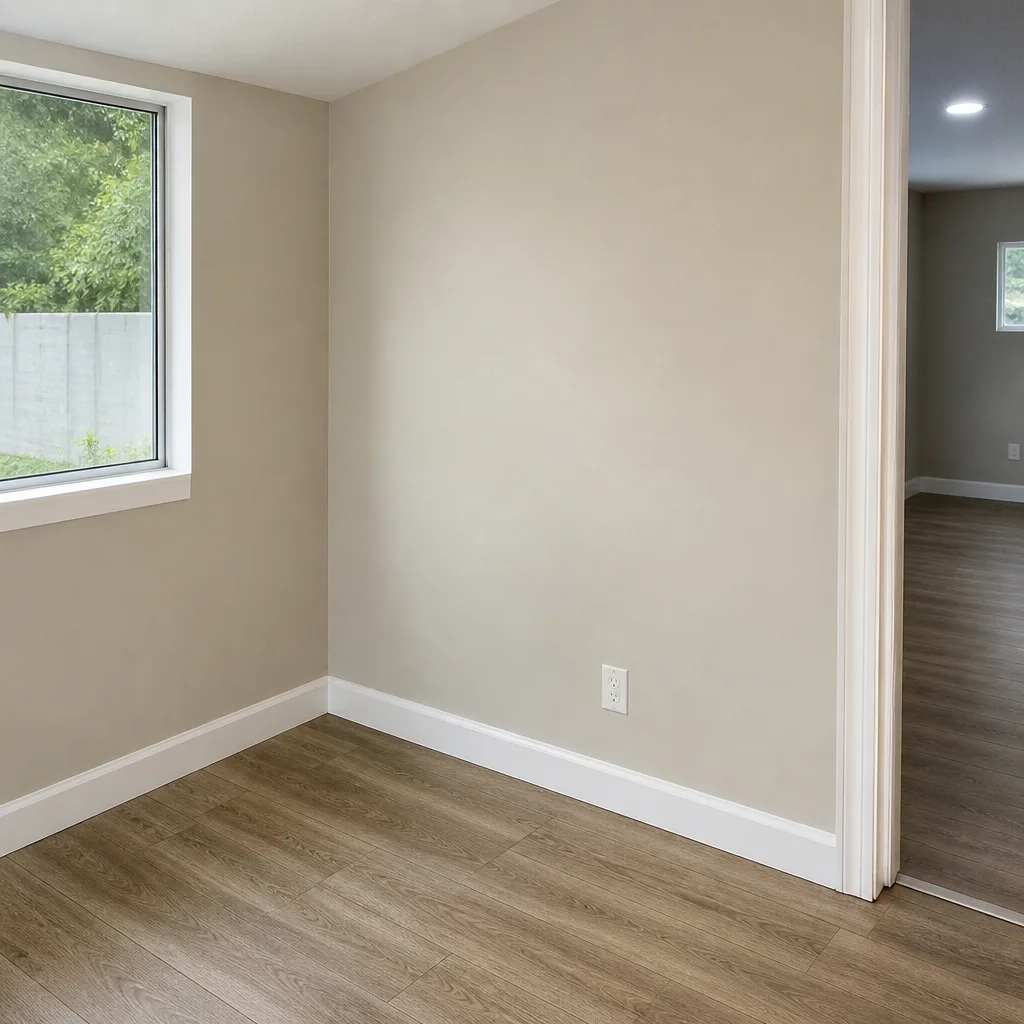 After
AfterCommon Mold Remediation Problems We See in Sun Valley Homes
- Chimney flashing failures on mid-century ranches. The original flashing on 1940s-1960s homes along Lankershim Boulevard and Roscoe Boulevard is past its service life. Water tracks down the chimney chase after heavy rain, soaking lath-and-plaster walls from the inside. By the time mold becomes visible, the cavity behind it is usually saturated.
- Category 3 roof leaks treated as Category 1. Roof leaks in Sun Valley aren’t clean water. By the time water passes through an old roof deck, dust, rodent droppings, and insulation debris, it carries contaminants. Treating it as clean water leaves wall cavities improperly mitigated and mold regrows after the first rain. This is the most common mistake we correct from prior remediation jobs.
- Assuming modern drywall behind stucco. In newer homes, mold remediation is fairly straightforward: cut drywall, remove insulation, dry framing. In Sun Valley, many homes have lath-and-plaster under stucco. That changes containment requirements, dust control, and repair costs. Under-scoped jobs spread plaster dust and mold spores through the entire house.
- Hidden mold in older wall cavities with no visible signs. A 1950s ranch on Glenoaks Boulevard can have a leaking vent flashing that’s been damp for years inside the wall while the exterior looks fine. Homeowners miss it because there’s no ceiling stain. We catch it with moisture mapping before the mold problem spreads into framing.
We were called to a 1952 ranch on Lankershim Boulevard after heavy winter rains caused water intrusion around a poorly flashed chimney. Our crew set up containment, then used moisture mapping and moisture readings to trace wet lath-and-plaster walls. We removed the affected material, applied antimicrobial treatment, and ran Dri-Eaz dehumidifiers and air movers for five days until structural drying logs confirmed pre-loss condition.
Pricing for Mold Remediation in Sun Valley, CA
Here are straight numbers for Sun Valley’s market. A contained mold removal in a single room runs $1,800 – $3,800. A kitchen or bathroom with hidden wall-cavity mold runs $3,500 – $6,500. Crawl space mold treatment in an older Sun Valley ranch typically runs $3,000 – $7,000 depending on square footage and whether vapor barrier replacement is needed. Whole-house containment for wide mold spread can reach $8,500 – $15,000 in worst cases, which are rare but do happen in long-neglected foreclosures or after major roof failures.
What affects the price: the size of the affected area, whether lath-and-plaster or drywall is involved, how deep the moisture penetrated, and whether the water source has been fixed. We give you a written price before any work starts. The number on that paper doesn’t change at the door. Call (213) 423-6383 for a free estimate and we’ll put it in writing.
We Also Serve Cities Near Sun Valley
Dryden Restoration Los Angeles serves Sun Valley and the surrounding communities including Van Nuys, West Hollywood, Santa Monica, and Venice. If you live near the Sun Valley border or split time between properties in the north valley and the Westside, call us at (213) 423-6383. We’ll confirm coverage and get a crew scheduled.
Serving Sun Valley, CA - Our Local Coverage Area
We’re based in the Sun Valley area and know this community well. Use the map below to see our service coverage - if you’re nearby, we can almost certainly help.
FAQs About Mold Remediation in Sun Valley
Lath-and-plaster walls require more aggressive containment than modern drywall because cutting into them generates fine dust that carries mold spores. We use negative air pressure, seal the work area, and often remove plaster in sections rather than opening entire walls at once. In lath-and-plaster homes, we also check the wood lath behind the plaster for rot and moisture damage, which drywall homes don’t have. This adds time and cost, but skipping it leaves compromised framing hidden behind fresh plaster. Call (213) 423-6383 for a specific quote on your home.
Because poorly flashed chimneys and vents let water into wall and roof cavities long before it shows up as a ceiling stain. In a 1950s ranch with original flashing, rain tracks down the chimney chase or along vent pipes in the wall. The lath-and-plaster absorbs the moisture slowly, creating conditions for mold behind the surface. By the time you see staining or smell mustiness, the mold has likely been growing for months. If you notice a musty odor after rain in Sun Valley, call us at (213) 423-6383 and we’ll map the moisture instead of guessing.
Category 3 water, which means it’s contaminated with dust, debris, and possibly bird or rodent droppings from the roof surface. Flat roofs on commercial buildings along San Fernando Road and Tujunga Avenue collect water, especially at clogged drains or failed seams. When that water leaks into the building, it carries whatever’s on the roof with it. Mold remediation in these cases requires not just drying but antimicrobial treatment and often removal of contaminated roof insulation. If you manage a commercial building in Sun Valley, call (213) 423-6383 and we’ll assess the category of water before anyone opens a wall.
Mold can begin growing within 24 to 48 hours of water intrusion, especially in Sun Valley’s warm weather. In winter, the timeline is slightly slower but still measured in days, not weeks. The faster you call, the less material we remove. A leak caught in the first day might be a $1,200 drying job. The same leak left for two weeks can turn into a $5,000 mold remediation with wall cavity removal. If you had water intrusion in Sun Valley, call (213) 423-6383 as soon as you see the first sign.
No. We remove only the material that’s actually contaminated. In most cases, that’s a contained section: a wall around a chimney chase, a ceiling band near a failed roof penetration, or a section of wall where water tracked down from a window or vent. Contiguous walls that test dry stay intact. The goal is to fix the source, remove the affected material, treat the surrounding framing, and restore the wall so it matches. We don’t tear out an entire room to treat six square feet of mold. Call (213) 423-6383 for an honest scope and a written price before any work begins.
Written by Carl Brandt, Owner at Dryden Restoration Los Angeles, serving Sun Valley and nearby communities since 2005.